
Movie studio: function, facilities, history and modern role
A movie studio is a facility or production company where films are created. This article explains studio spaces, technical departments, the historic studio system, modern changes, uses, and notable distinctions.
Overview
A movie studio (or film studio) refers both to the physical site where motion pictures are shot and to the production organization that develops and finances films. Studio facilities include controlled indoor stages and outdoor backlots where crews can construct sets and control lighting and sound; a studio company manages production, distribution arrangements and creative oversight. The term is used in multiple senses: a location for shooting and a corporate entity responsible for making movies.
Image gallery
3 Images

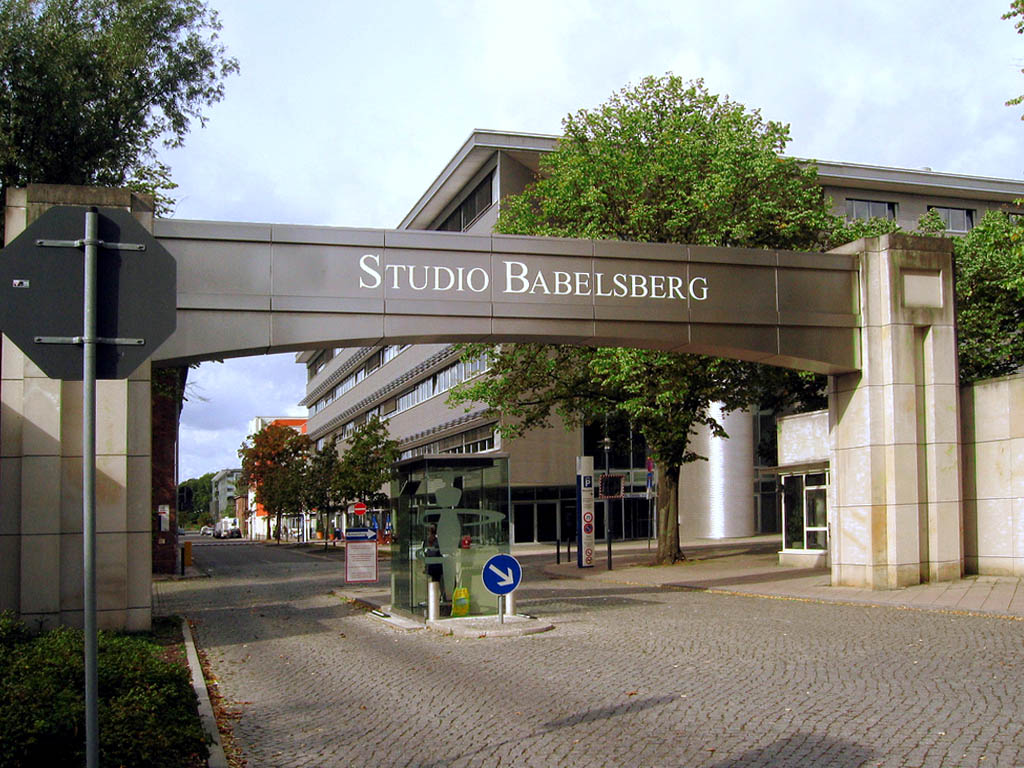
Facilities, stages and departments
Typical studio facilities combine several specialized spaces and technical departments that together support filmmaking. Common elements include:
- Sound stages: large enclosed spaces used for interior scenes and complex set construction; these permit precise lighting and audio control. See examples of how stages are used on filming location guides.
- Backlots and exterior sets: outdoor areas that can represent streets, plazas or landscapes without public interference; details on permitted areas can be found via studio lot information.
- Workshops and prop shops: carpenters, painters and prop makers build physical sets and objects.
- Sound and post-production suites: editing, visual effects, sound mixing and color grading take place here.
- Production offices: where producers, line producers and coordinators plan schedules, budgets and logistics; business practices are discussed in resources such as production company guides.
Historical development
The dual meaning of "studio" — place and company — dates to the early 20th century, when vertically integrated production companies owned physical lots and controlled production, distribution and exhibition. During the studio era of the 1920s through the 1940s many major producers built extensive studio complexes and retained stable rosters of talent. Legal and economic changes later reduced vertical integration, but the historic label remains in use to describe both corporate producers and the physical lots they once owned; for discussion of the era see studio company histories and timelines like period overviews and industry retrospectives.
Modern role and business models
Today, many production companies no longer own large studio lots; they rent stages, facilities and post-production services from specialist providers. Studios can range from independent sound stages and regional production centers to the remaining major studio complexes. The contemporary model often separates development, financing and distribution functions, with multiple partners collaborating on a single film. Practical guides and service directories can be consulted through resources such as studio services listings.
Uses, importance and distinctions
Studios remain central to film and television production because they offer controlled environments that reduce weather and noise risks, concentrate skilled labor, and provide specialized equipment. Distinctions to note: a "studio lot" refers to the physical property; a "studio company" is the business entity; a "soundstage" is a particular indoor space. Smaller "studio" operations exist for documentaries, independent films and streaming productions, while large legacy studios often combine production, archives and exhibition services.
Notable facts
Many well-known movies and series are associated with particular studio stages or lots, and studios frequently serve as hubs for local film industries, training and employment. Whether described as a place, a corporate producer or a combination of both, the movie studio remains a key structure in the craft, business and culture of filmmaking.
Related articles
Author
AlegsaOnline.com Movie studio: function, facilities, history and modern role Leandro Alegsa
URL: https://en.alegsaonline.com/art/67205
Sources
- salvationarmy.org.au : "Australia's first film studio"