
Katharine Hepburn: Life, Career and Legacy
Comprehensive overview of Katharine Hepburn (1907–2003), American stage and film actress noted for her independent screen persona, record four Academy Awards, long career, and influence on acting and popular culture.
Katharine Hepburn was an American performer whose career in stage and screen stretched over six decades and reshaped popular ideas about female characters in film. Born in 1907, she became celebrated for playing strong-willed, independent women and for an acting style that blended intelligence, wit and emotional honesty. During a long professional life she earned a record four Academy Awards for Best Actress and many more nominations, and she remains widely cited in histories of twentieth-century cinema and theater. For further biographical summaries, see selected biographies and discussions of her work as a screen actress.
Image gallery
10 Images
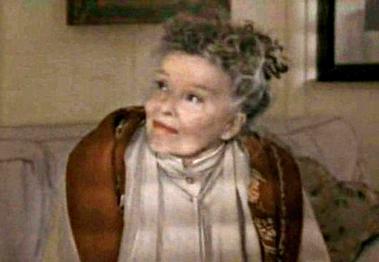


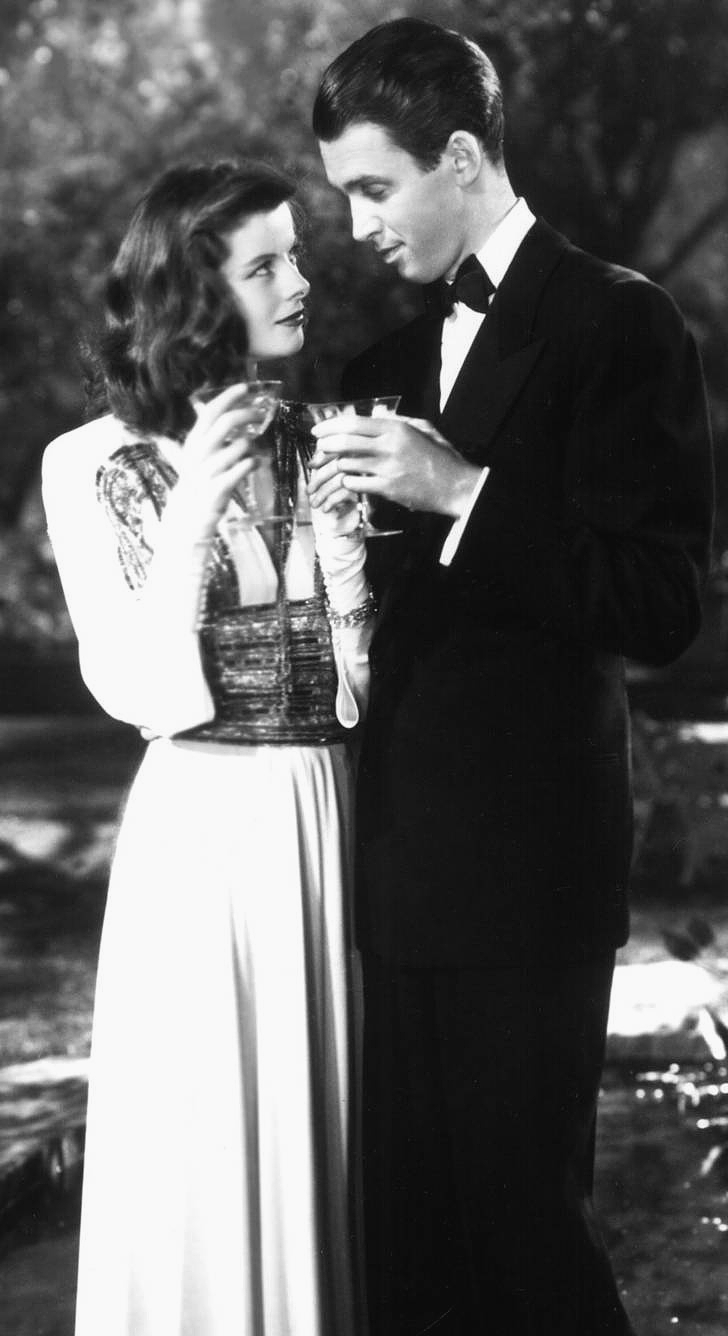


Early life and education
Katharine Houghton Hepburn was born into a prominent family in Hartford and raised in a household that valued public service, education and outspoken views. She attended Bryn Mawr College, where she developed interests in literature, drama and physical fitness. After graduating in the late 1920s she moved to New York to pursue work on the stage; the theatrical world of Broadway and regional theater provided the training ground for much of her early craft, teaching her timing, projection and text work that would later shape her screen performances.
Stage and film career
Hepburn made her Broadway debut soon after college and began to appear in films in the early 1930s. One of her first notable screen roles was in a 1932 production directed by George Cukor, opposite actors such as John Barrymore. The 1930s saw both triumphs and setbacks: she earned critical attention for challenging parts but also experienced a period when her outspoken manner and unconventional image made her temporarily less popular with studio executives and the public. She staged a celebrated comeback with films like The Philadelphia Story, which she adapted from a stage play into a motion picture vehicle that reintroduced her to a wide audience and paved the way for a new phase of cinematic success.
Collaborations and personal life
A defining professional and personal partnership was her long association with actor Spencer Tracy. The two made nine films together, starting with Woman of the Year and including well-known titles such as Adam's Rib and Guess Who's Coming to Dinner. Their off-screen relationship endured for decades, even as Tracy remained legally married to another woman. Hepburn's earlier marriage in the late 1920s ended in divorce, and she also had relationships with prominent figures of the era, including producer Leland Hayward and industrialist and aviator Howard Hughes.
Acting style, public image and legacy
Hepburn's screen presence combined precision, a brisk sense of humor and an insistence on portraying complex, capable women. She often resisted stereotypical roles and negotiated for better material and more control over projects. Critics and historians note her contribution to changing how women were represented in mainstream American cinema: her characters could be romantic, intellectual, stubborn and humane at once. Beyond awards and box-office success, her influence is visible in later generations of actresses who cite her example of professionalism and independence.
Selected films and recognition
- Early breakout: A Bill of Divorcement (1932) — an early dramatic role that introduced her screen presence.
- Comedic and romantic peak: The Philadelphia Story (1940) — the film that restored her stardom.
- Notable team-ups with Spencer Tracy: Woman of the Year; Adam's Rib; Guess Who's Coming to Dinner.
- Later work: appearances across the decades that demonstrated range from comedy to serious drama.
- Academy Awards: Hepburn won four Oscars for Best Actress, the highest number held by any performer in that category, and was nominated a dozen times.
- Honors and retrospectives: her films are frequently included in studies of American cinema and receive regular retrospectives at festivals and museums.
Katharine Hepburn retired from most public life in her later years but continued to be an important cultural figure, writing an autobiography and participating selectively in interviews and events. She spent her final years at the family home, Fenwick, in Old Saybrook, Connecticut, where she died in 2003 at the age of ninety-six. Her career remains a reference point in discussions about star power, gender and the evolution of acting across the twentieth century.
Questions and answers
Q: When was Katharine Houghton Hepburn born?
A: Katharine Houghton Hepburn was born on May 12, 1907.
Q: What college did she attend?
A: She attended Bryn Mawr College.
Q: What year did she start her career on Broadway?
A: She started her career on Broadway in 1928.
Q: Who did she star with in the movie A Bill of Divorcement?
A: She starred with John Barrymore in the movie A Bill of Divorcement.
Q: Who was her off-screen romantic partner until his death in 1967?
A: Her off-screen romantic partner until his death in 1967 was Spencer Tracy.
Q: How many Academy Awards did she win?
A: She won four Academy Awards.
Q: When and where did Katharine Houghton Hepburn die?
A:Katharine Houghton Hepburn died on June 29, 2003 at 2;50 p.m., at Fenwick, the Hepburn family home, in Old Saybrook, Connecticut
Related articles
Author
AlegsaOnline.com Katharine Hepburn: Life, Career and Legacy Leandro Alegsa
URL: https://en.alegsaonline.com/art/123388
Sources
- imdb.com : Katharine Hepburn