
Rift (Geology): Formation, Types, and Significance
A geological rift is where the Earth's crust and lithosphere are pulled apart, creating valleys, volcanism, earthquakes and sometimes new ocean basins. Causes, stages, features and notable examples are explained.
Overview
In geology a rift is a zone where the rigid outer shell of the planet is stretched and separated by the motion of tectonic plates. On Earth this process affects the lithosphere and often produces characteristic landforms such as rift valleys, escarpments and elongated basins. Rifting is commonly associated with orogeny, the uplift of adjacent regions, and with volcanic and seismic activity.
Image gallery
5 Images


How rifts form
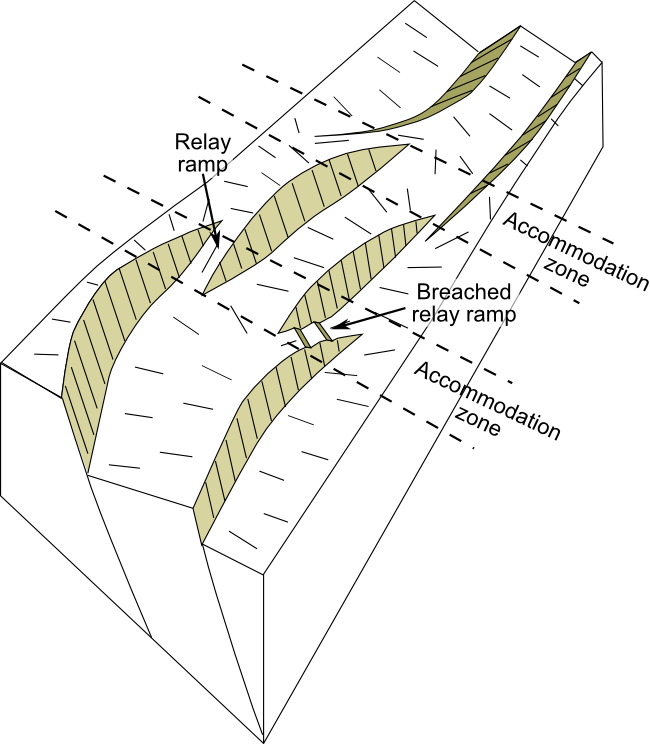
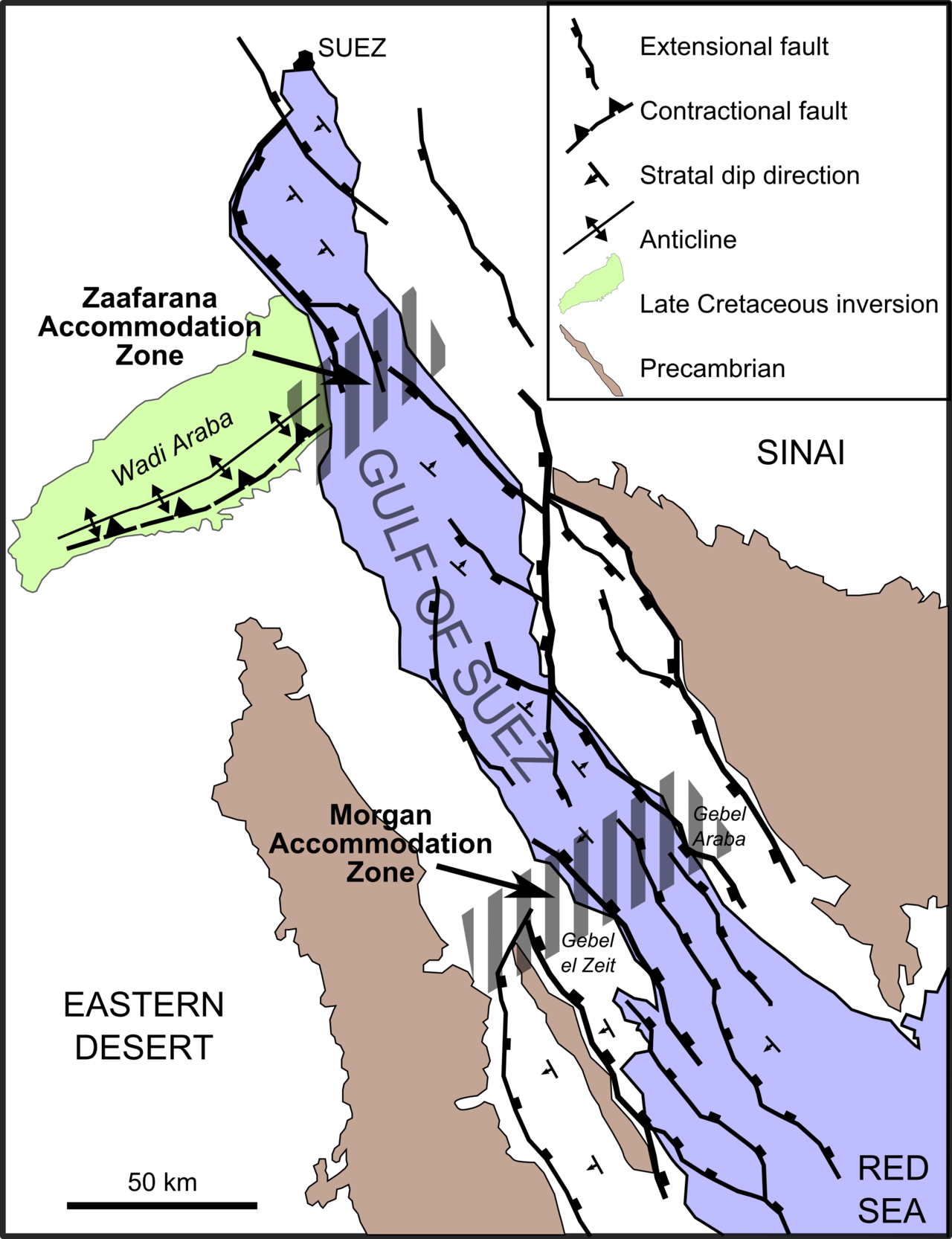
Rifts begin when tensional forces cause the continental crust and lithosphere to thin and fracture. Mantle dynamics respond: hotter, buoyant asthenosphere upwells beneath the thinning zone, reducing pressure and producing partial melting. Where melt reaches the surface it can erupt as lava, building volcanic fields. Faulting and subsidence produce linear valleys and grabens; uplifted flanks may form mountain ranges or horsts along the margins.
Stages and possible outcomes
Rifting typically evolves through stages: initial stretching and faulting, development of a rift valley with volcanic and sedimentary fill, and progressive widening. In some cases extension continues until continental breakup occurs and a new ocean basin opens, with mid-ocean ridges forming where seafloor spreading begins. Many rifts do not reach full breakup and remain long-lived continental systems hosting active volcanoes and frequent earthquakes.
Types and main features
- Continental rifts: linear belts of normal faulting within continents, often with rift lakes and volcanic centres.
- Mid-ocean ridges: divergent plate boundaries under oceans where new oceanic crust is created.
- Failed rifts (aulacogens): arms of rift systems that initiated extension but stalled before ocean formation.
Rift zones expose rocks from deeper levels of the crust and can concentrate mineral deposits. They influence drainage and climate regionally, forming basins that may capture sediments and water to become important lakes and reservoirs.
Examples and significance
The Great Rift Valley of East Africa exemplifies continental rifting: an axial valley system with lakes, volcanoes and active faulting. Other notable rift systems exist worldwide, from incipient continental rifts to mature mid-ocean spreading centres. Studying rifts helps geoscientists understand how continents disassemble, how mantle and crustal processes interact, and how surface environments respond to tectonic change.
Hazards and human relevance
Active rifts produce hazards including earthquakes, volcanic eruptions and ground subsidence, and they shape landscapes that affect human settlement, water resources and ecosystems. Researchers monitor rift zones with geodetic, seismic and remote sensing methods to assess activity and risk.
For basic terminology and larger context see resources on tectonic plates, the nature of lithosphere and asthenosphere, and introductory material about orogeny and crustal processes.
Related articles
Author
AlegsaOnline.com Rift (Geology): Formation, Types, and Significance Leandro Alegsa
URL: https://en.alegsaonline.com/art/82881
Sources
- mantleplumes.org : mantleplumes.org/VM_DecompressMelt.html
- le.ac.uk : le.ac.uk/geology/art/gl209/lecture4/lecture4.html
- commons.wikimedia.org : Rift (geology)