
Royal Tyrrell Museum of Palaeontology — Alberta's premier fossil museum
A leading palaeontology museum and research centre in Alberta's Badlands, housing an extensive fossil collection, active research programs, public exhibits and educational outreach near Drumheller.
The Royal Tyrrell Museum of Palaeontology is a major Canadian centre for the study and display of ancient life. Located in Alberta's Badlands, it combines extensive public exhibits with active scientific research and conservation. The museum's holdings number in the hundreds of thousands of specimens, representing a broad span of geological time and giving visitors one of the most complete views of prehistoric ecosystems in North America. For visitor information see visitor resources, and for a summary of its collection see collection overview.
Image gallery
10 Images


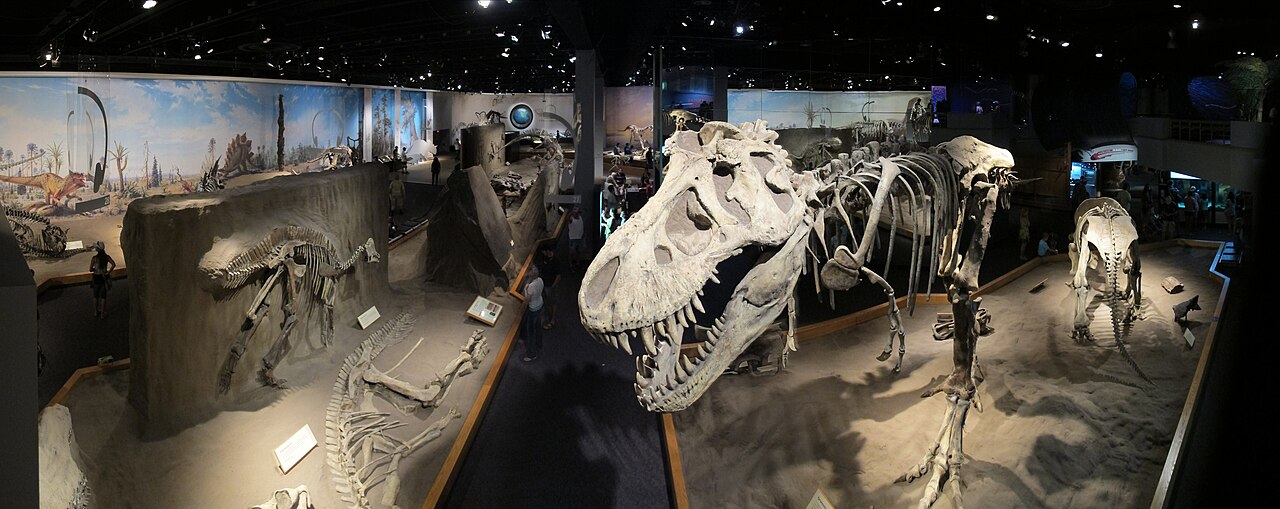


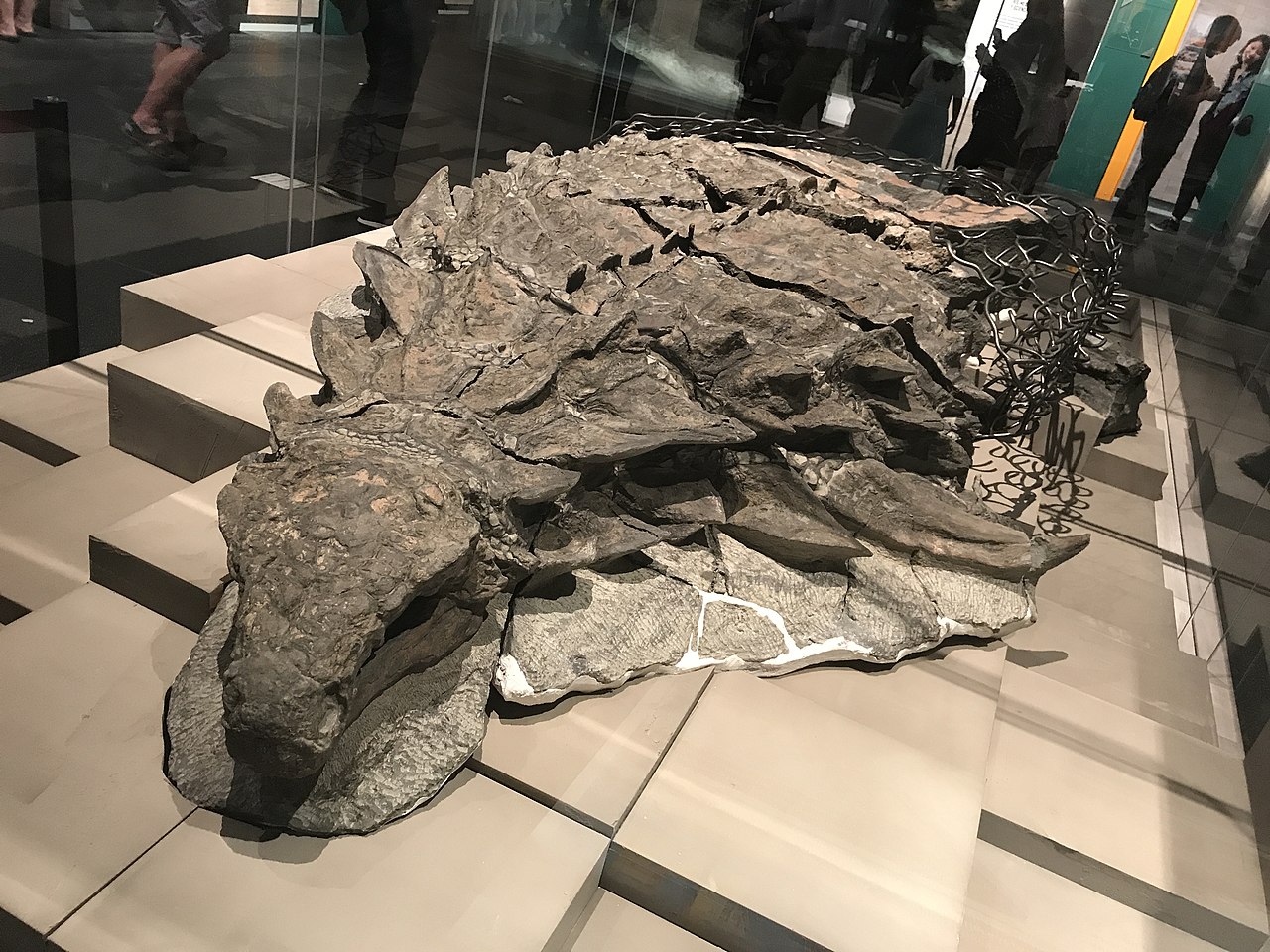
Collections and exhibits
The museum presents fossil skeletons, prepared specimens, trace fossils and interpretive displays that emphasize both local discoveries and global palaeontological themes. Galleries typically include mounted dinosaurs, marine reptiles, plant fossils and interactive displays that explain fossilization and geological time. On display are fossils sourced from nearby field sites such as Dinosaur Provincial Park and other fossil-rich outcrops within Alberta's sedimentary formations.
Research, preparation and conservation
Beyond its exhibitions, the institution functions as an active research facility. Staff palaeontologists, technicians and students work in preparation labs that are often accessible to the public, allowing visitors to observe fossil cleaning, stabilization and restoration. Research focuses on taxonomy, stratigraphy, paleoecology and taphonomy, with specimens and data made available for scientific study and publication.
Location and geology
Situated a short drive from the town of Drumheller and within reach of Calgary, the museum sits amid the badland exposures that yield abundant fossils. Many of its specimens come from the fossil-bearing strata of the Horseshoe Canyon Formation and other Upper Cretaceous deposits; these layers preserve a record of landscapes, flora and fauna from tens of millions of years ago (Upper Cretaceous) and are part of a broader sequence of fossil-rich rocks (fossil-bearing strata).
History and name
The museum is named in honour of early Canadian geologist Joseph Burr Tyrrell, whose late 19th‑century discoveries helped launch systematic fossil collecting in the region. Since opening, it has grown into a provincial and international resource for palaeontology, carrying out fieldwork, curating collections and supporting education programs.
Visitor experience and significance
Visitors can see complete skeleton mounts, watch hands-on laboratory work, attend talks and take part in seasonal digs or interpretive programs. The museum plays an important role in public science education, regional tourism and the preservation of Alberta's fossil heritage, and it serves as a hub for collaboration among scientists, students and the wider public.
Highlights
- Extensive collections: Hundreds of thousands of specimens spanning multiple groups of ancient organisms.
- Active research: On-site palaeontology labs and published scientific work.
- Educational programs: Tours, school programs and hands-on experiences for all ages.
- Location: Embedded in one of the world's richest fossil regions, with field sites accessible for research and interpretation.
For more practical details, exhibitions and program schedules consult the museum's official resources and affiliated tourism pages via the links above.
Questions and answers
Q: What is the Royal Tyrrell Museum of Palaeontology?
A: The Royal Tyrrell Museum of Palaeontology is a popular Canadian tourist attraction that serves as a leading centre of palaeontological research with more than 130,000 fossils.
Q: Where is the Royal Tyrrell Museum of Palaeontology located?
A: The Royal Tyrrell Museum of Palaeontology is located 6 kilometers (4 mi) from Drumheller, Alberta, and 135 kilometers (84 mi) from Calgary.
Q: From which locations does the Royal Tyrrell Museum of Palaeontology primarily get its specimens?
A: The Royal Tyrrell Museum of Palaeontology primarily gets its specimens from Dinosaur Provincial Park and the Devil's Coulee Dinosaur Egg Historic Nest Site.
Q: What is the Royal Tyrrell Museum's mission?
A: The Royal Tyrrell Museum's mission is to "collect, preserve, research, and interpret palaeontological history with special reference to Alberta’s fossil heritage."
Q: What is the significance of the location of the Royal Tyrrell Museum of Palaeontology?
A: The Royal Tyrrell Museum of Palaeontology is located in the middle of the fossil-bearing strata of the Upper Cretaceous Horseshoe Canyon Formation, making it an ideal location for research and preservation of Alberta's fossil heritage.
Q: How many fossils does the Royal Tyrrell Museum of Palaeontology have?
A: The Royal Tyrrell Museum of Palaeontology has more than 130,000 fossils.
Q: Why is the Royal Tyrrell Museum of Palaeontology a leading centre of palaeontological research?
A: The Royal Tyrrell Museum of Palaeontology is a leading centre of palaeontological research due to its extensive collection of fossils and its mission to research and interpret palaeontological history with a special focus on Alberta’s fossil heritage.
Related articles
Author
AlegsaOnline.com Royal Tyrrell Museum of Palaeontology — Alberta's premier fossil museum Leandro Alegsa
URL: https://en.alegsaonline.com/art/84517
Sources
- tyrrellmuseum.com : "Contact Us"
- tyrrellmuseum.com : "2011/12 Museum Fact Sheet"
- tyrrellmuseum.com : "Frequently Asked Questions"
- tyrrellmuseum.com : "Dinosaur Hall"
- tyrrellmuseum.com : "Getting to the Museum"
- thecanadianencyclopedia.com : The Canadian Encyclopedia
- tyrrellmuseum.com : "Royal Tyrrell Museum"
- tyrrellmuseum.com : "Museum Amenities"
- tyrrellmuseum.com : "Museum Amenities"