
Roasting: dry-heat cooking by fire, oven, or grill
Roasting is a dry-heat cooking method that browns and caramelizes food over open flame, in an oven, or on a grill; commonly used for meats, vegetables, nuts, coffee and cocoa beans.
Roasting is a broad culinary technique that uses dry, high heat to cook food and produce brown, flavorful surfaces. Traditionally it meant cooking meat or other items over an open fire or a spit, but it also describes cooking in an oven or on a hot surface. For general information about foods and culinary methods see related food resources.
Image gallery
10 Images


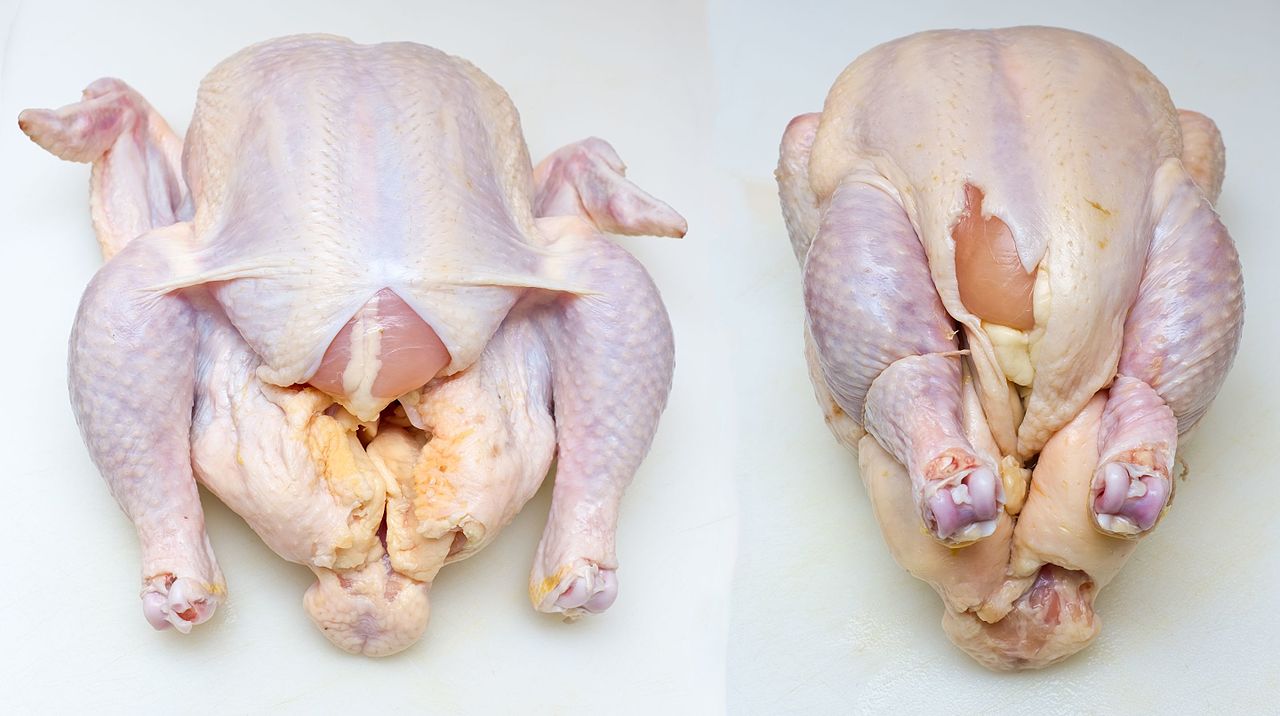


How roasting works
The primary chemical processes are the Maillard reaction and caramelization, which create complex aromas and a browned crust. Roasting concentrates flavor by evaporating water from the surface and developing sugars and amino acids into fragrant compounds. The method is typically applied at higher temperatures than gentle baking, producing a contrast between a browned exterior and a tender interior.
Techniques and equipment
Roasting can be done several ways: over an open flame or spit, in a hearth or modern oven, using a rotisserie, or on a grill. Outdoor barbecues and grill setups reproduce the original fire-roasting effect: a grill or grate and hot coals produce direct and indirect heat. Typical setups and instructions are often found on grill guides and barbecue resources.
Common uses and examples
- Roasting meat and poultry to develop a crisp outer crust and juicy interior.
- Vegetables roasted to concentrate sweetness and add texture.
- Nuts, seeds, coffee and cocoa beans roasted to change aroma and flavor.
- Pan-roasting delicate items to finish with a seared surface.
Roasting differs from baking in intent and temperature: baking often aims for even, gentle cooking of batters and doughs, while roasting emphasizes browning. Practical tips include preheating equipment, using appropriate fat or oil for heat transfer, monitoring to avoid burning, and resting larger roasted joints so juices redistribute before carving.
Related articles
Author
AlegsaOnline.com Roasting: dry-heat cooking by fire, oven, or grill Leandro Alegsa
URL: https://en.alegsaonline.com/art/83237