
Roe: edible fish eggs — types, uses, preparation, and distinctions
Roe are the ripe eggs of fish and some marine animals, used worldwide as seafood. This article explains types (including caviar), preparation, culinary uses, sustainability and how roe differs from soft roe.
Overview
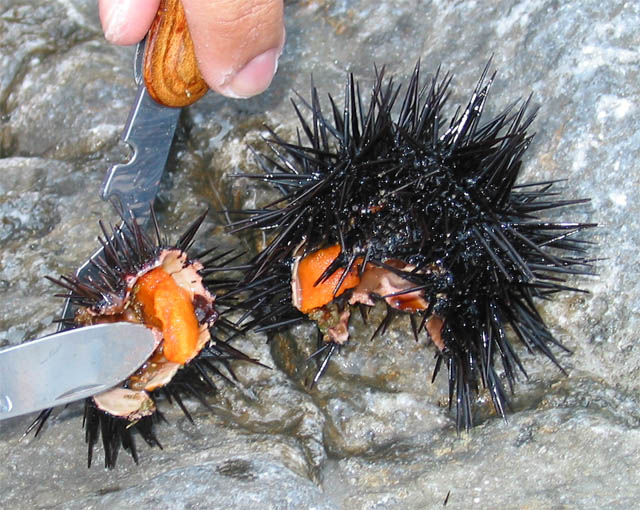
Roe refers to the ripe eggs harvested from fish and certain marine life. In simple terms it is the reproductive eggs of aquatic species, often collected for food. Roe may come from many kinds of fish or from other marine animals, including sea urchins, shrimp and scallop. As a category it is a widely recognized form of seafood and appears in many regional cuisines.
Image gallery
10 Images




Types and culinary names
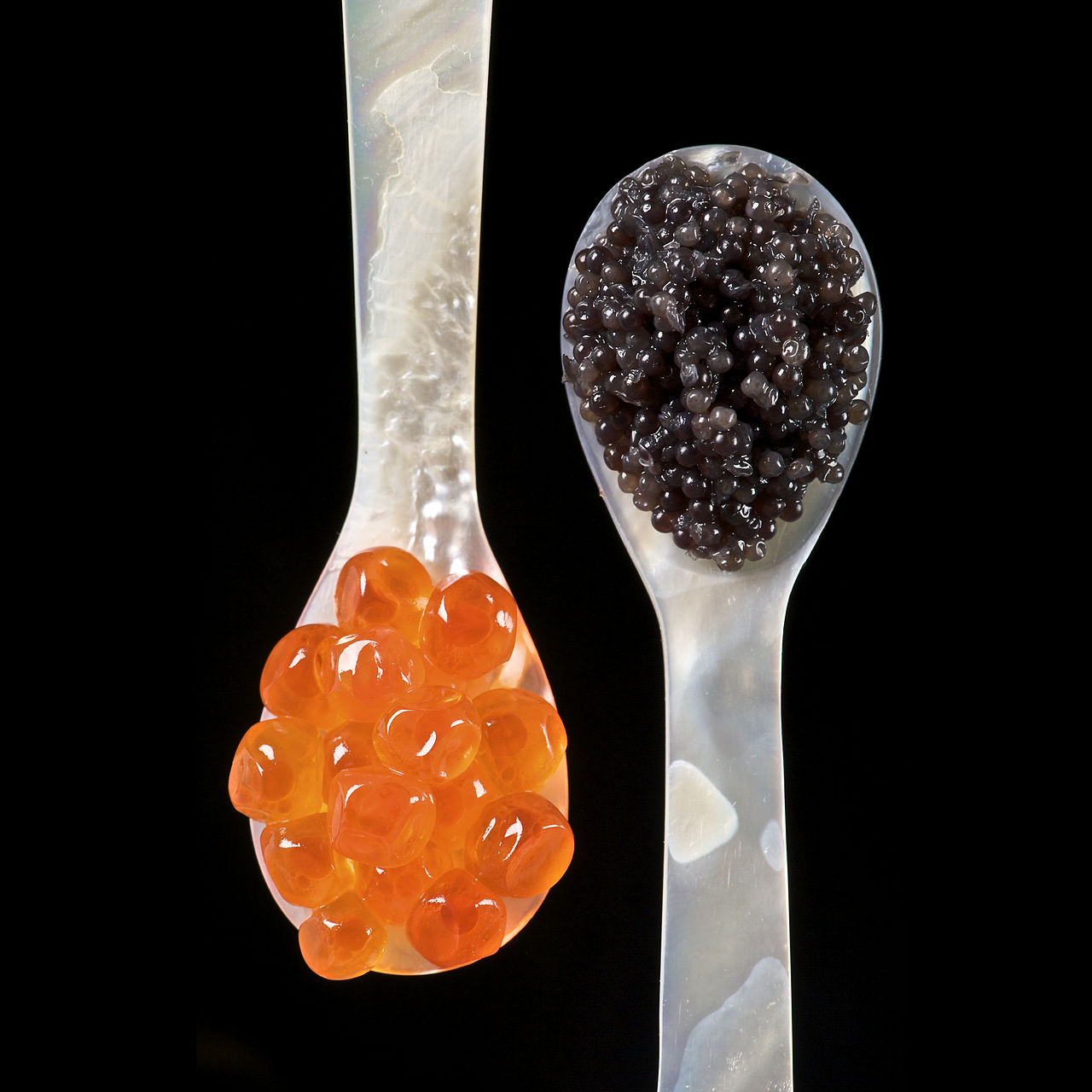
Different species produce roe with very different size, color and flavor. The term caviar is traditionally reserved for roe from wild sturgeon and is treated as a luxury item, while other roe have their own names (for example ikura for salmon roe, tobiko for flying fish roe and masago for capelin roe). Roe can be eaten raw, cured, or cooked, and it is an ingredient in many foods worldwide. When mixed into spreads, as in taramosalata, or salted and pressed to make bottarga, roe acquires distinct textures and flavors.
Preparation and preservation
Fresh roe is delicate and perishable. Common processing methods include salting, brining and light curing; some varieties are pasteurized for safety. Other techniques — drying or smoking — produce preserved products with concentrated flavor. In culinary practice roe may be served cooked or raw, depending on the species and the dish; careful handling and refrigeration are important to maintain quality and food safety.
Uses and examples
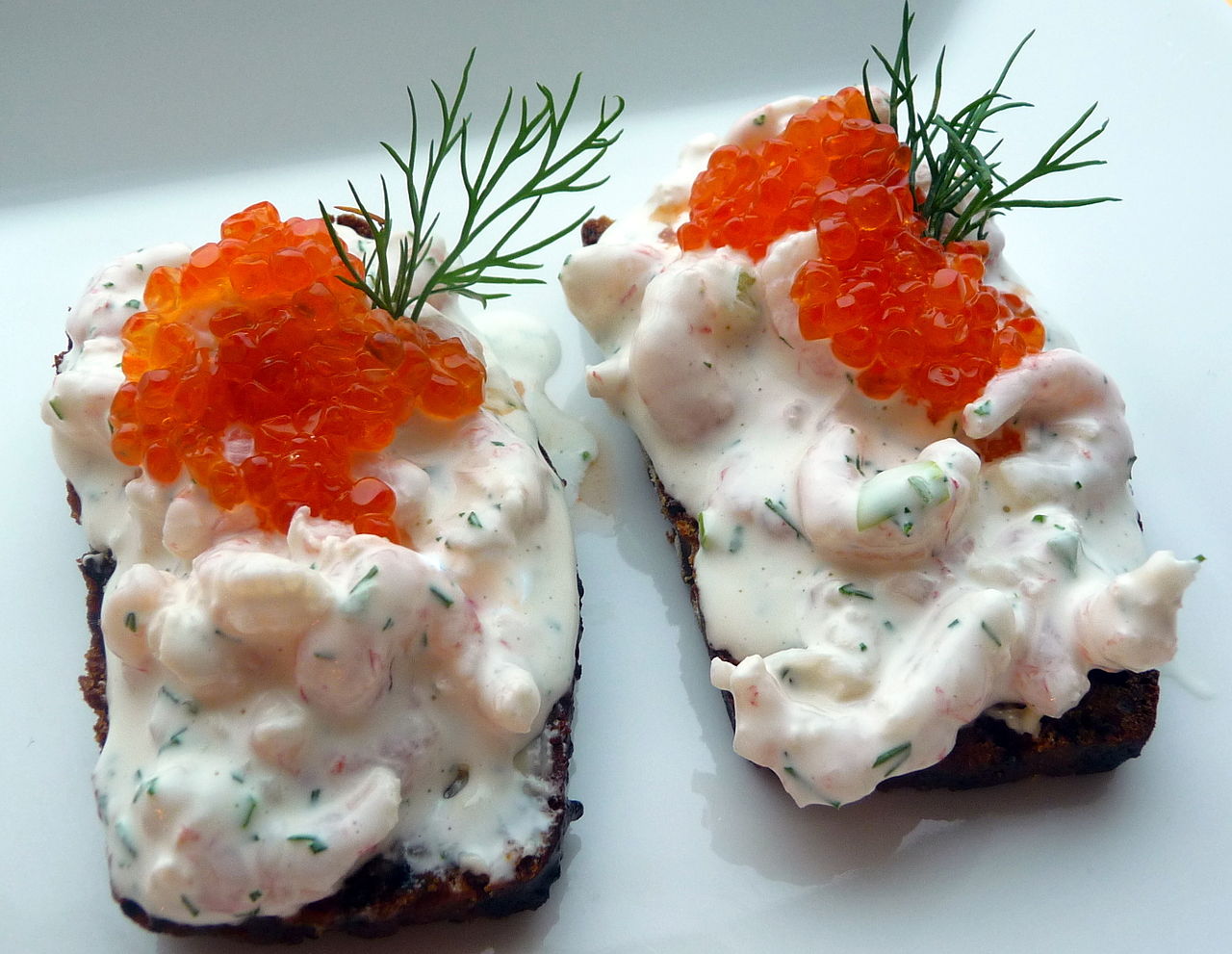
Roe appears across many cuisines: it is used as a garnish, a textural contrast on sushi, a spread or dip, and a flavorful accent in salads and pasta. Small, crunchy roe like tobiko add snap to dishes, while large, glossy salmon eggs (ikura) give bursts of briny juice. Other regional specialties include cured or pressed roe served thinly sliced, and simple preparations that highlight the roe's natural aroma.
Sustainability, sourcing and distinctions
Some roe-bearing species have been overexploited, which has led to regulation and the growth of aquaculture for sustainable supply. Consumers often look for certified or farmed sources when buying high-value items such as caviar. A noteworthy distinction: "soft roe" or "white roe" is not egg material but the milt or seminal fluid of male fish; this product is considered separate from roe and has different culinary uses and names. For further reading on biological aspects, processing and recipes, follow industry and culinary resources via eggs guides and seafood references.
- Key points: Roe = reproductive eggs; varieties vary by species.
- High-value caviar traditionally comes from sturgeon (sturgeon).
- Remember the difference between roe and soft roe (milt/seminal fluid).
For practical recipes, safety advice and sourcing updates consult culinary texts and sustainable seafood guides via links such as eggs overview, product pages and regional cooking resources (fish, marine). Additional background on aquatic species and harvesting practices is available through dedicated resources (marine animals, sea urchins, shrimp, scallop, seafood, foods, cooked, caviar, sturgeon, milt).
Questions and answers
Q: What is roe?
A: Roe is the ripe eggs of fish and certain marine animals, such as sea urchins, shrimp, and scallops. It is a type of seafood.
Q: Can roe be cooked or eaten raw?
A: Yes, roe can be used cooked or raw in many different foods.
Q: What is caviar?
A: Caviar is a name for sturgeon roe which is eaten as a delicacy.
Q: Is soft roe or white roe the same as roe?
A: No, soft roe or white roe is not roe. It is the seminal fluid of fish.
Q: What types of marine animals can produce roe?
A: Sea urchins, shrimp, scallops, and certain types of fish can produce roe.
Q: What is the difference between roe and soft roe or white roe?
A: Roe is the ripe eggs of fish, while soft roe or white roe is the seminal fluid of fish.
Q: How is roe commonly used in food?
A: Roe can be used in many different foods, including sushi and as a garnish for dishes. It can also be used to make sauces and spreads.
Related articles
Author
AlegsaOnline.com Roe: edible fish eggs — types, uses, preparation, and distinctions Leandro Alegsa
URL: https://en.alegsaonline.com/art/83668