
Dairy product: overview, production, varieties, and health considerations
Foods derived from animal milk — milk, cheese, butter, yogurt and more — explained: composition, common processes, major types, uses, dietary issues and environmental notes.
Overview
Dairy products are foods produced from the milk of mammals. The most common sources are cows and goats, but sheep, water buffalo, camels and other mammals also supply milk. As a food category they include plain milk and transformed items such as cultured, fermented, churned or concentrated goods; together these are important staples in many cuisines and food systems worldwide (foods).
Image gallery
7 Images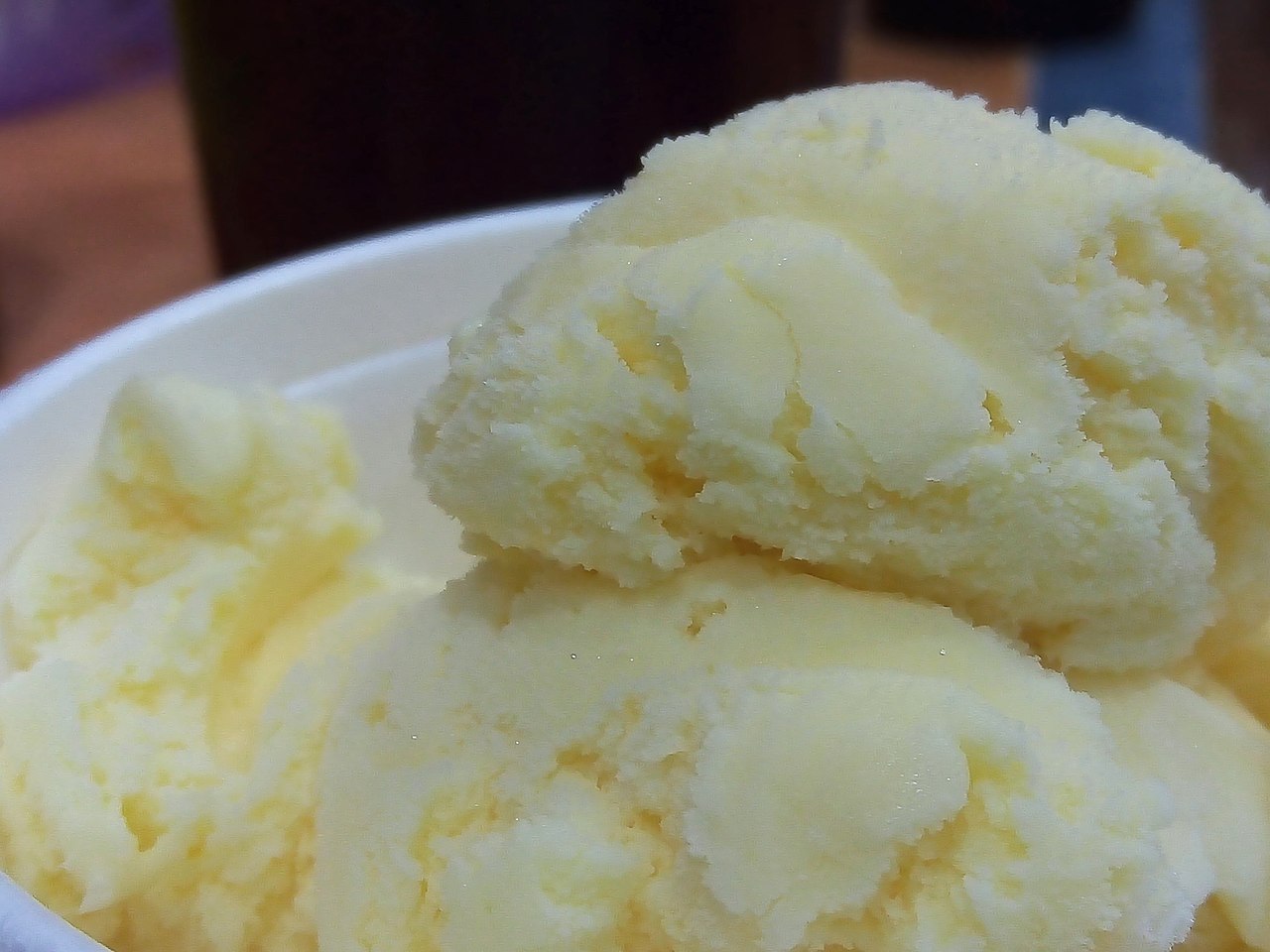




Composition and processing
Milk is a complex fluid made of water, lactose (milk sugar), fat globules, proteins (casein and whey), minerals such as calcium, and fat‑soluble vitamins. Common industrial and household processes change its structure: pasteurization reduces microbial risk, homogenization breaks fat into fine droplets, fermentation converts sugars to acids and gases, and aging develops flavor in cheeses.
Major types
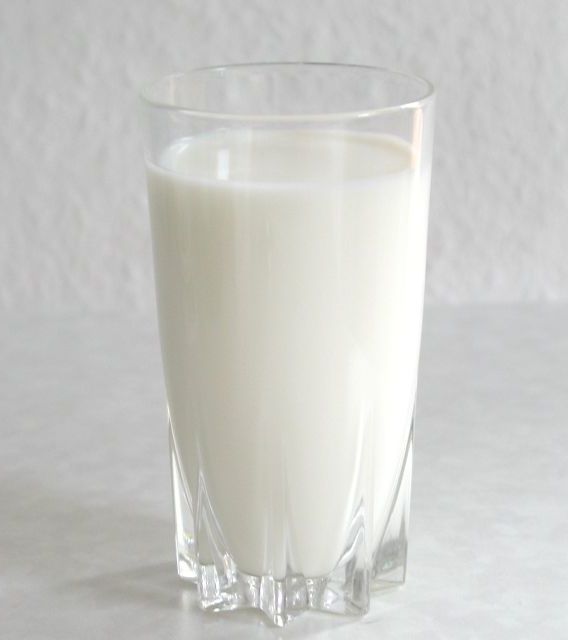
- Milk — fresh or pasteurized, whole or skim.
- Butter — fat separated and churned from cream.
- Cheese — a broad family made by coagulating milk proteins and aging or pressing curds.
- Yogurt and kefir — fermented, probiotic cultures.
- Ice cream and frozen desserts — emulsified dairy fats and sugars frozen with air.
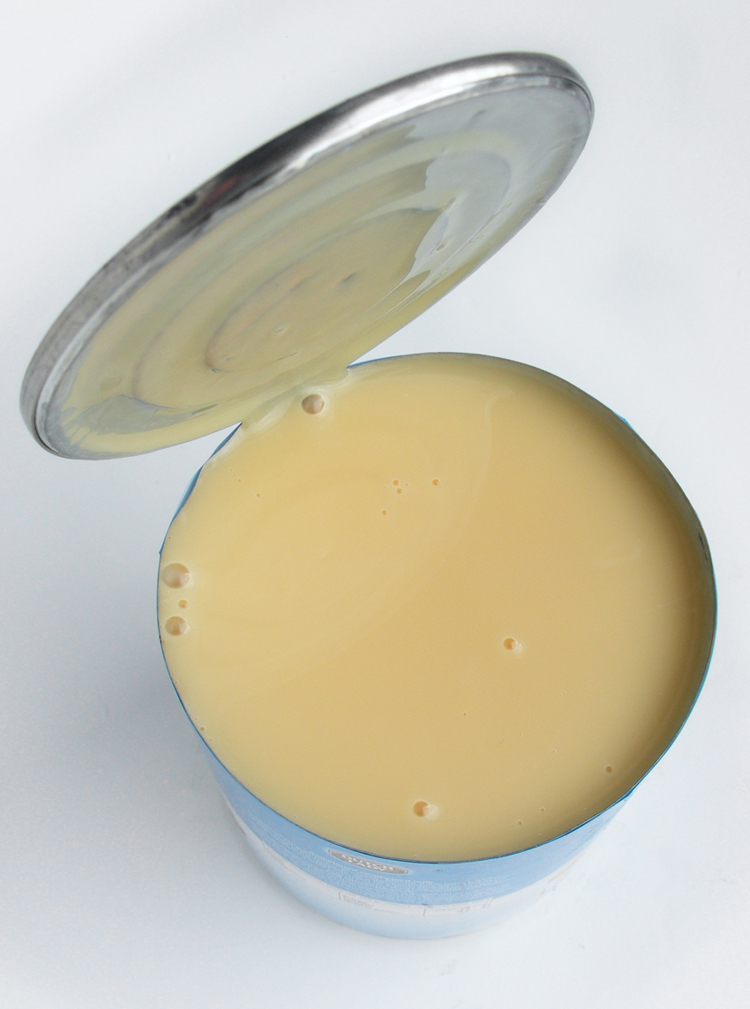
- Concentrated products — condensed or powdered milk; whey and milk proteins used in food manufacturing.
History and cultural role
Human use of milk and its transformation predates recorded history: pastoralism and animal domestication led to widespread dairy traditions. Fermentation, salting, drying and aging were early ways to preserve milk. Today, dairy plays ceremonial, culinary and nutritional roles across regions, producing highly localized cheeses and fermented specialties.
Uses, nutrition and concerns
Dairy is used directly as a beverage, as an ingredient in cooking and baking, and as a base for sauces, desserts and confections. Nutritionally it supplies protein, calcium and certain vitamins, but some people are lactose intolerant or allergic to milk proteins. Choices include low‑fat, lactose‑reduced and fermented products, as well as plant‑based alternatives.
Distinctions and notable facts
Key distinctions include raw versus pasteurized milk, artisan versus industrial production, and animal‑source dairy versus non‑dairy substitutes. The sector is subject to food safety regulation and is also discussed in terms of environmental footprint, animal welfare and sustainability. For more reading on specific products and recipes see related resources (foods, milk).
Related articles
Author
AlegsaOnline.com Dairy product: overview, production, varieties, and health considerations Leandro Alegsa
URL: https://en.alegsaonline.com/art/25128