
Whey: composition, types, production and uses
Whey is the watery fraction of milk separated during curdling and straining. This article explains its composition, types (sweet and acid), processing, common uses, nutritional aspects and environmental considerations.
Overview
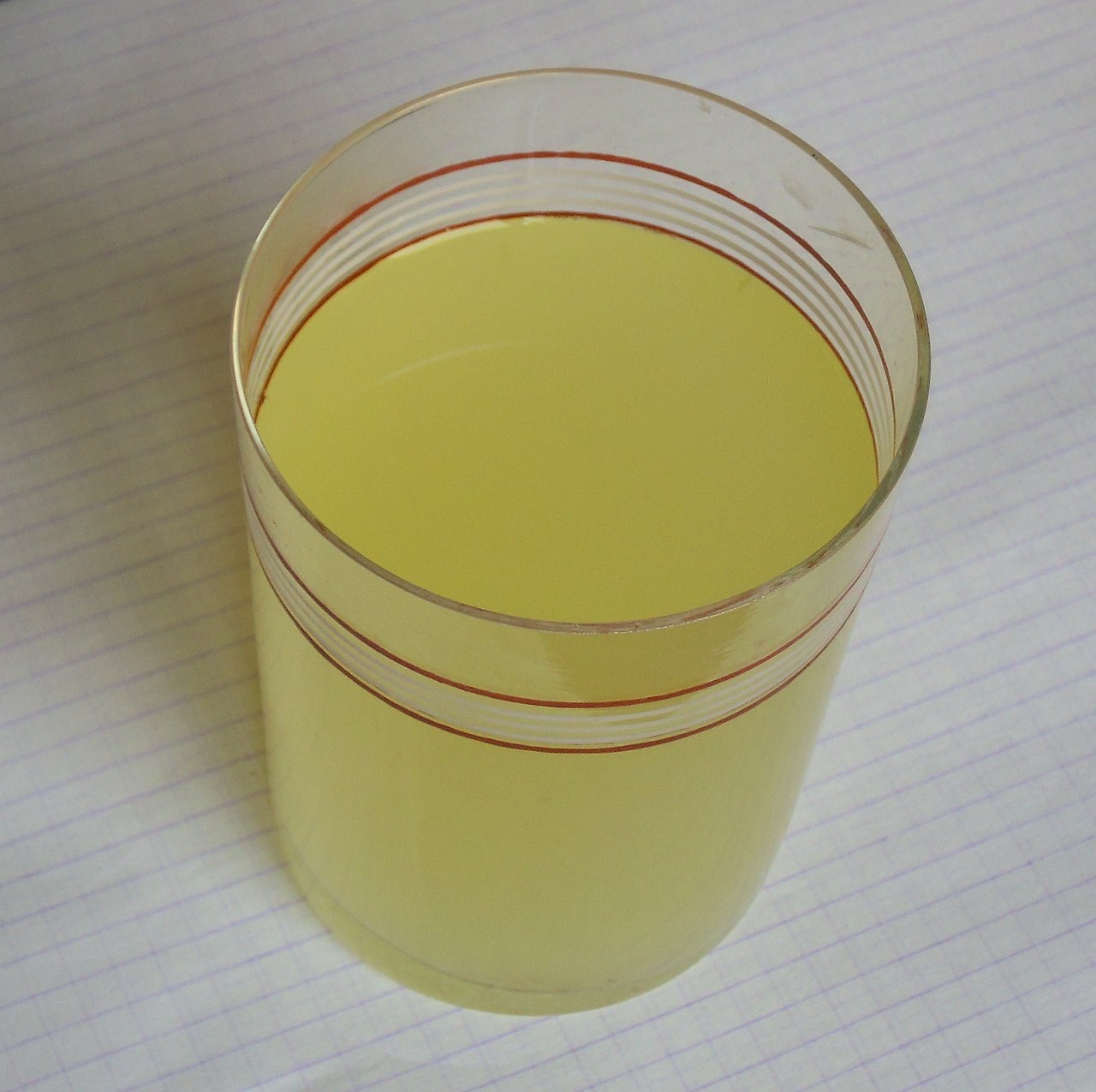
Whey is the liquid that separates from coagulated milk during the process of curdling and straining. Historically regarded as a waste product of cheese production, it is now recognized as a versatile ingredient and ingredient source. The clear, pale-yellow liquid contains water, lactose, soluble proteins, minerals and traces of fat.
Image gallery
4 Images


Composition and types
The main protein fraction in whey differs from the protein that makes up curds; whey proteins remain dissolved in the liquid. Two common commercial categories are called sweet whey and acid whey. Sweet whey results when rennet is used to coagulate milk, while acid whey forms when acidification (for example with bacterial cultures) causes curdling. The two types vary in pH, mineral content and flavor.
Terminology and related processes are often discussed with reference to watery liquid separation from milk through curdling; whey historically considered a by-product of cheesemaking.
Production and processing
When hard cheeses are made with animal rennet, such as rennet-coagulated varieties like Cheddar or Swiss, the drained liquid is typically sweet whey. Acid-coagulated products such as cottage cheese or some strained yogurts produce acid whey. Modern dairy plants treat whey by concentrating proteins through filtration, drying to powder, or separating lactose and minerals for other uses.
Uses and importance
Whey and its derived products appear across food, feed and industrial sectors. Common uses include:
- Whey protein concentrates and isolates for nutritional supplements and sports foods.
- Whey powders and lactose for bakery, confectionery and infant formulas.
- Ricotta and other cheeses made by reheating whey to recover remaining proteins.
- Animal feed, fermentation substrates and raw material for biochemical processing.
Nutritional and environmental notes
Whey proteins are valued for their digestibility and amino acid profile. Whey products range from whole liquid to highly refined isolates with varied lactose and fat content. Because raw whey has high biochemical oxygen demand, untreated disposal can harm waterways; this drove technological and commercial solutions to recover its value instead of discarding it.
Although once overlooked, whey is now central to many dairy value chains and continues to be refined into specialized ingredients for nutrition, food processing and industry.
Related articles
Author
AlegsaOnline.com Whey: composition, types, production and uses Leandro Alegsa
URL: https://en.alegsaonline.com/art/107755
Sources
- books.google.com : The Whey Prescription: The Healing Miracle in Milk