
Rhynchosaur: Triassic herbivorous reptiles with distinctive beaks
Rhynchosaurs were widespread Triassic diapsid reptiles known for powerful beaks, specialized teeth, and abundant fossil remains; they radiated across Pangea and disappeared by the end-Triassic event.
Overview
Rhynchosaurs were a group of herbivorous reptiles that rose to prominence during the Triassic period. Classified among the broader assemblage of diapsid animals and related to the lineage that gave rise to archosaurs, they are best known for their compact, robust bodies and a distinctive horny beak at the front of the jaws. Fossils show they were common members of many Triassic terrestrial communities and in some localities represented a very large proportion of vertebrate remains.
Image gallery
10 Images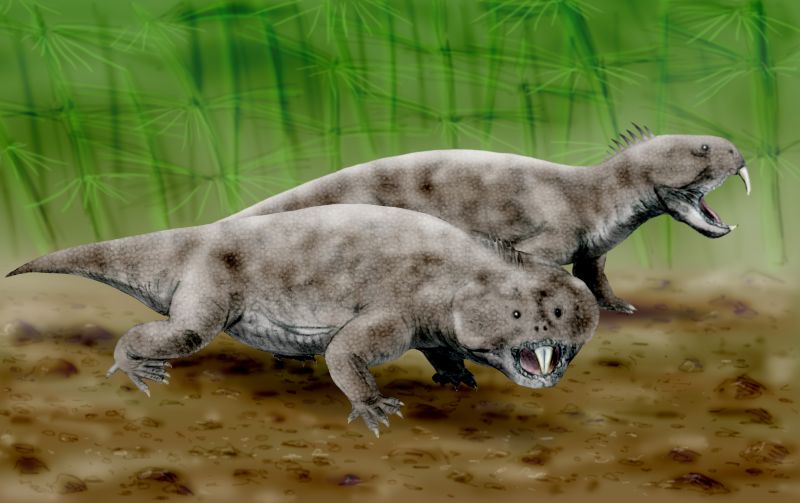





Anatomy and adaptations
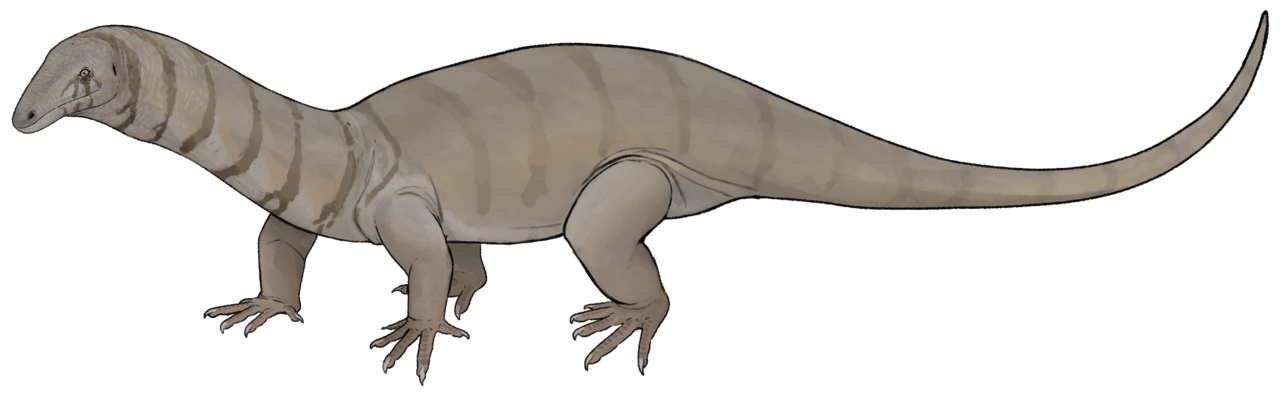
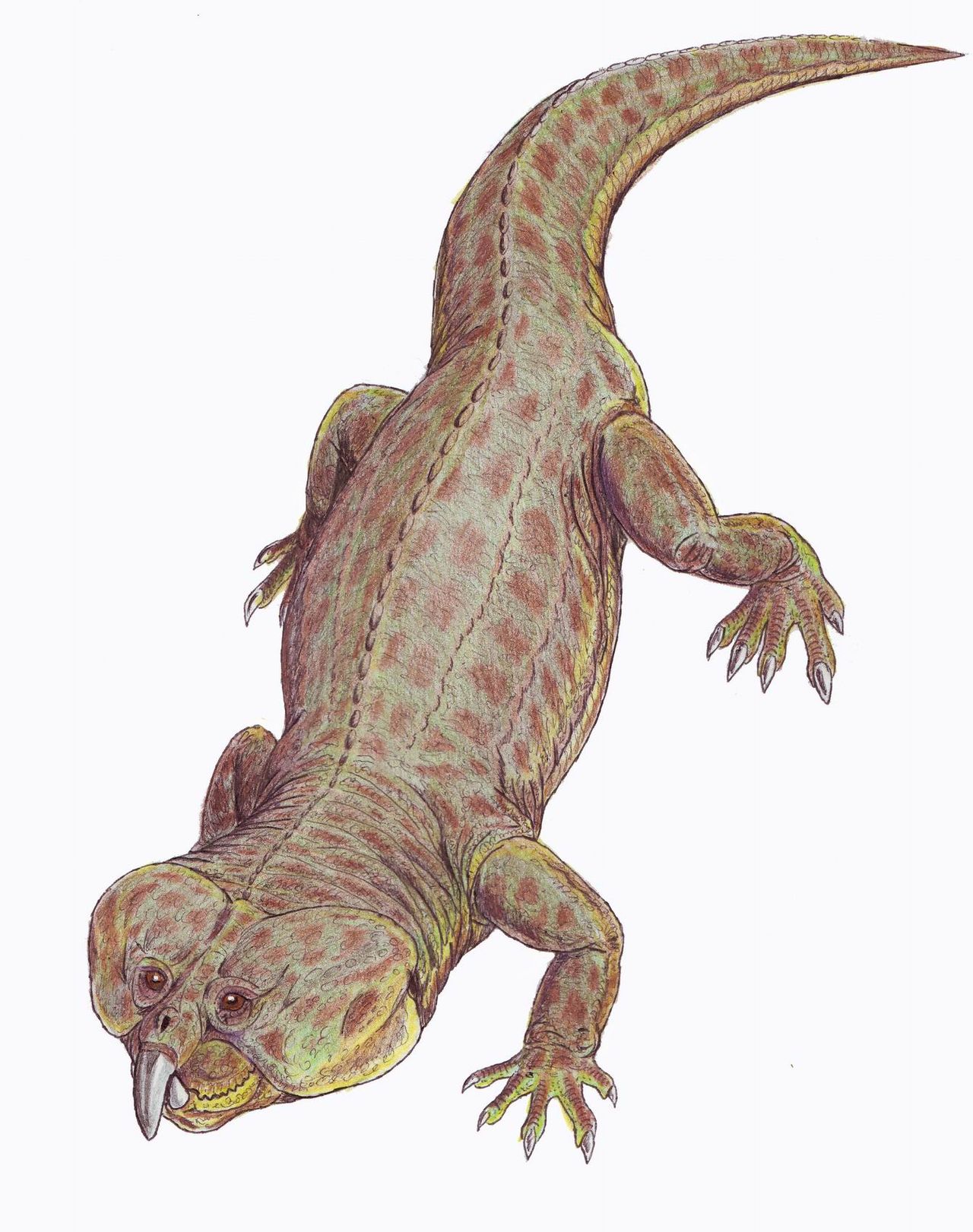
Rhynchosaurs had broad, triangular skulls with a beak-like rostrum and battery-like arrangements of teeth further back in the jaws. The front of the mouth was adapted to cropping plants while the posterior teeth formed continuous columns that created efficient shearing surfaces for grinding vegetation. Limbs were stout and generally built for a sprawling to semi-erect stance, indicating a primarily quadrupedal mode of life.
- Skull: wide with reinforced bones to support a keratinous beak.
- Teeth: tightly packed tooth-plates suited to herbivory.
- Posture: stocky body, powerful legs for locomotion and rooting.
Fossil record and evolution
Rhynchosaurs first become prominent in Middle to Late Triassic deposits and achieved a near-global distribution across the supercontinent Pangea. Fossils are known from multiple continents, showing they adapted to a range of environments. Their diversity and abundance declined toward the close of the Triassic, and the lineage did not survive the major biotic turnover associated with the End-Triassic extinction.
Ecology and significance
As widespread herbivores, rhynchosaurs likely played an important ecological role in Triassic ecosystems, shaping plant communities and serving as prey for predatory reptiles. Their success in some faunas makes them useful index fossils for correlating Triassic terrestrial strata and for studying ecosystem structure during that era.
Notable facts and distinctions
Although related to archosauromorphs, rhynchosaurs form their own distinct branch within the early diapsids. Well-known genera include forms that display the characteristic beak and tooth batteries, and their fossils have provided key insights into Triassic herbivore evolution. For more general context on the period and reptile groups they are associated with, see related entries on reptiles and broader Triassic vertebrate faunas.
Rhynchosaurs illustrate how specialized feeding apparatuses can drive a successful but ultimately ephemeral evolutionary radiation in deep time.
Related articles
Author
AlegsaOnline.com Rhynchosaur: Triassic herbivorous reptiles with distinctive beaks Leandro Alegsa
URL: https://en.alegsaonline.com/art/82552