
Diapsid: reptiles with two temporal skull openings
Diapsids are a major group of amniotes whose skulls have two temporal fenestrae per side; they include most living reptiles, birds (from dinosaurs), and many fossil lineages.
Diapsids are amniote vertebrates characterized primarily by a skull with two temporal openings — one upper and one lower — behind each eye. These openings, called temporal fenestrae, changed the arrangement of bones and muscles in the head and are a key anatomical trait used to classify many fossil and living reptiles. For a general overview of reptiles see reptile anatomy and classification.
Image gallery
10 Images


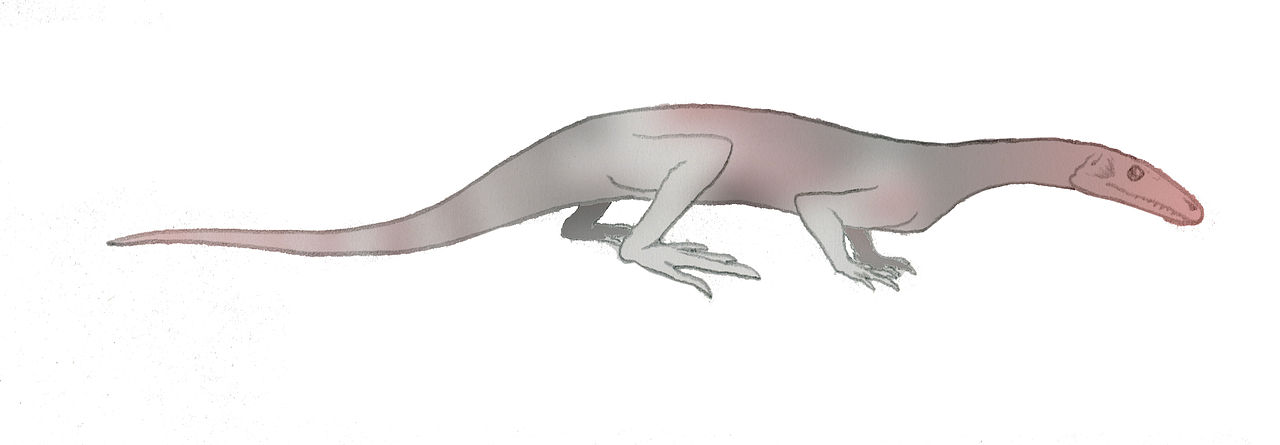

Anatomy and function
The two fenestrae reduce skull weight and provide expanded attachment sites and space for jaw muscles. As muscles contract during biting they can bulge into these open areas, allowing stronger or more complex muscle arrangements without greatly increasing skull mass. For more on skull anatomy see temporal fenestrae and cranial bones. Diapsids contrast with synapsids (the lineage that gave rise to mammals) which have a single temporal opening; for a comparison see synapsid versus diapsid traits.
Evolution and diversity
Diapsids first appear in the Paleozoic fossil record and diversified through the Permian and Mesozoic eras. They gave rise to two large living branches: lepidosaurs (lizards, snakes and the tuatara) and archosaurs (crocodilians, birds and their extinct relatives). Many fossil groups, including most dinosaurs, are also diapsids. Famous examples such as the large carnivorous Allosaurus illustrate how extensive fenestration made skulls lighter and allowed powerful jaw musculature; see Allosaurus skull and its role in dinosaur skull evolution.
Variation, secondary modifications, and examples
- Some modern diapsids show secondary closure or modification of one or both fenestrae: turtles historically were described as anapsids, but many studies view their skulls as modified from a diapsid condition.
- Birds, descended from theropod dinosaurs, have highly modified diapsid skulls adapted for flight and beak function; see theropod-to-bird transformations.
- Snakes and some lizards have extensive changes in skull mobility tied to feeding specializations.
Understanding diapsid anatomy helps paleontologists place extinct species in the tree of life and explains functional links between skull form and feeding, sensory systems, and ecology. Their wide-ranging adaptations—from the compact skull of a gecko to the light, strut-like skulls of large theropod dinosaurs—show how a simple change in bone patterning opened major evolutionary pathways for reptiles and their descendants.
Questions and answers
Q: What is a Diapsid?
A: A Diapsid is a type of reptile that has two fenestrae or holes behind each eye on both sides of its skull.
Q: What is the main function of the Diapsid's holes?
A: The holes provide space for muscle attachment, allowing improved jaw movements and reducing the weight of the skull.
Q: Do mammals have the condition of Diapsids?
A: No, the condition of Diapsids does not occur in mammals.
Q: How do the Diapsid's holes contribute to jaw movements?
A: The holes give places for muscle attachment, and as jaw muscles contract, they allow space for the muscles to bulge, improving jaw movements.
Q: What is the significance of the Allosaurus skull in Diapsid evolution?
A: The Allosaurus skull provides evidence of how the skull became lighter in dinosaurs, especially large theropods, yet still managed to provide massive bite power.
Q: Are most reptiles considered Diapsids?
A: Yes, most reptiles are classified as Diapsids.
Q: Why is reducing the weight of the skull important for the Diapsid?
A: Reducing the weight of the skull allows the Diapsid to use less energy when moving its head, improving its overall mobility and efficiency.
Related articles
Author
AlegsaOnline.com Diapsid: reptiles with two temporal skull openings Leandro Alegsa
URL: https://en.alegsaonline.com/art/27140