
River dolphin
A group of dolphins adapted to freshwater and near‑shore habitats. River dolphins are known for long beaks, flexible necks, limited eyesight and high vulnerability from habitat loss and fishing.
Overview
River dolphins are a group of toothed cetaceans traditionally recognized as several distinct species adapted to life in rivers, estuaries and nearby coastal waters. These animals are related to marine dolphins but have evolved traits suited to turbid, confined environments. The term dolphin is used broadly for these species, and they are often cited collectively as five species in popular and historical accounts.
Image gallery
10 Images




Physical characteristics
River dolphins typically have long, narrow beaks, many teeth, small eyes with limited vision and unusually flexible necks that allow side-to-side movement. They rely heavily on echolocation to navigate and find prey in murky water. Body shape, coloration and size vary between species but these shared features reflect convergent adaptations to freshwater and shallow environments like rivers and estuaries.
Distribution and notable species
- South American river dolphins (often called boto or pink river dolphins) inhabit Amazon basin waterways.
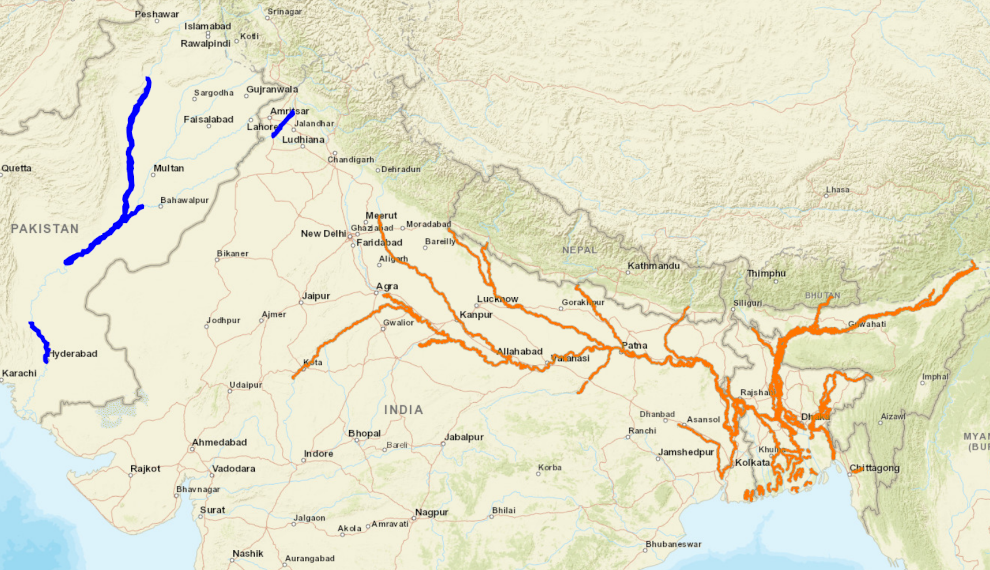
- South Asian species are found in large river systems such as the Ganges and Indus.
- The La Plata or Franciscana dolphin occupies coastal and estuarine zones and ranges into salt water as well as oceanic nearshore waters ocean.
Behavior and diet
These dolphins feed mainly on fish and invertebrates. They are generally social to varying degrees, forming small groups or loose aggregations. Reproduction is slower than many fish, with relatively few offspring, which contributes to their vulnerability when populations decline.
Conservation issues
River dolphins face threats from habitat fragmentation (dams and river engineering), pollution, entanglement in fishing gear and boat traffic. Several populations have declined sharply; one well-known species declined to the point it was declared functionally extinct in recent decades. Conservation efforts focus on habitat protection, pollution control and reducing bycatch.
Distinctions and importance
River dolphins illustrate how mammals can adapt to freshwater ecosystems. They are important indicators of river health and have cultural significance in many riverine communities. Their special adaptations and precarious status make them a focus of freshwater conservation worldwide.
Questions and answers
Q: How many species of river dolphins are there?
A: There are five species of river dolphins.
Q: Where do river dolphins live?
A: River dolphins live in fresh water rivers and estuaries.
Q: How many species of river dolphins live in fresh water rivers?
A: Three species of river dolphins live in fresh water rivers.
Q: What is the name of the river dolphin that lives in salt water estuaries and oceans?
A: The La Plata Dolphin lives in salt water estuaries and the ocean.
Q: Are river dolphins adapted to living in fresh water?
A: Yes, river dolphins are adapted to living in fresh water.
Q: Can river dolphins survive in salt water?
A: Some species of river dolphins, such as the La Plata Dolphin, can survive in salt water estuaries and oceans.
Q: Why are river dolphins unique compared to other dolphins?
A: River dolphins are unique compared to other dolphins because they live in fresh water rather than salt water.
Related articles
Author
AlegsaOnline.com River dolphin Leandro Alegsa
URL: https://en.alegsaonline.com/art/83095
Sources
- bbc.co.uk : bbc.co.uk/news/science-environment-25841135
- news.bbc.co.uk : news.bbc.co.uk/2/hi/science/nature/5122074.stm