
Rhône-Alpes — former administrative region of France
Former French region centered on Lyon, spanning plains and the northern Alps. Known for industry, research, alpine tourism and cuisine; it comprised eight departments and merged into Auvergne‑Rhône‑Alpes in 2016.
Overview

Image gallery
8 Images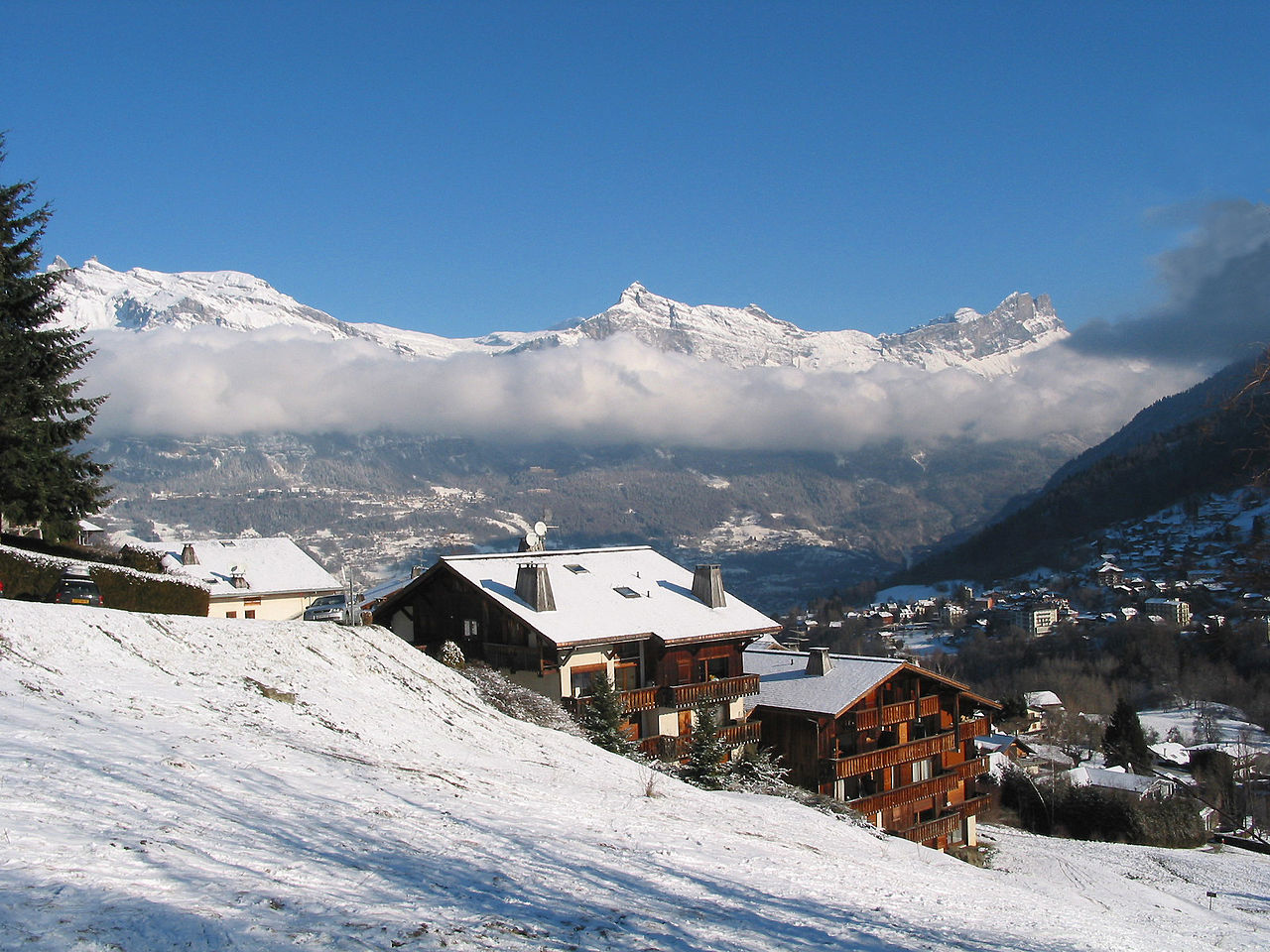



Geography and landscape
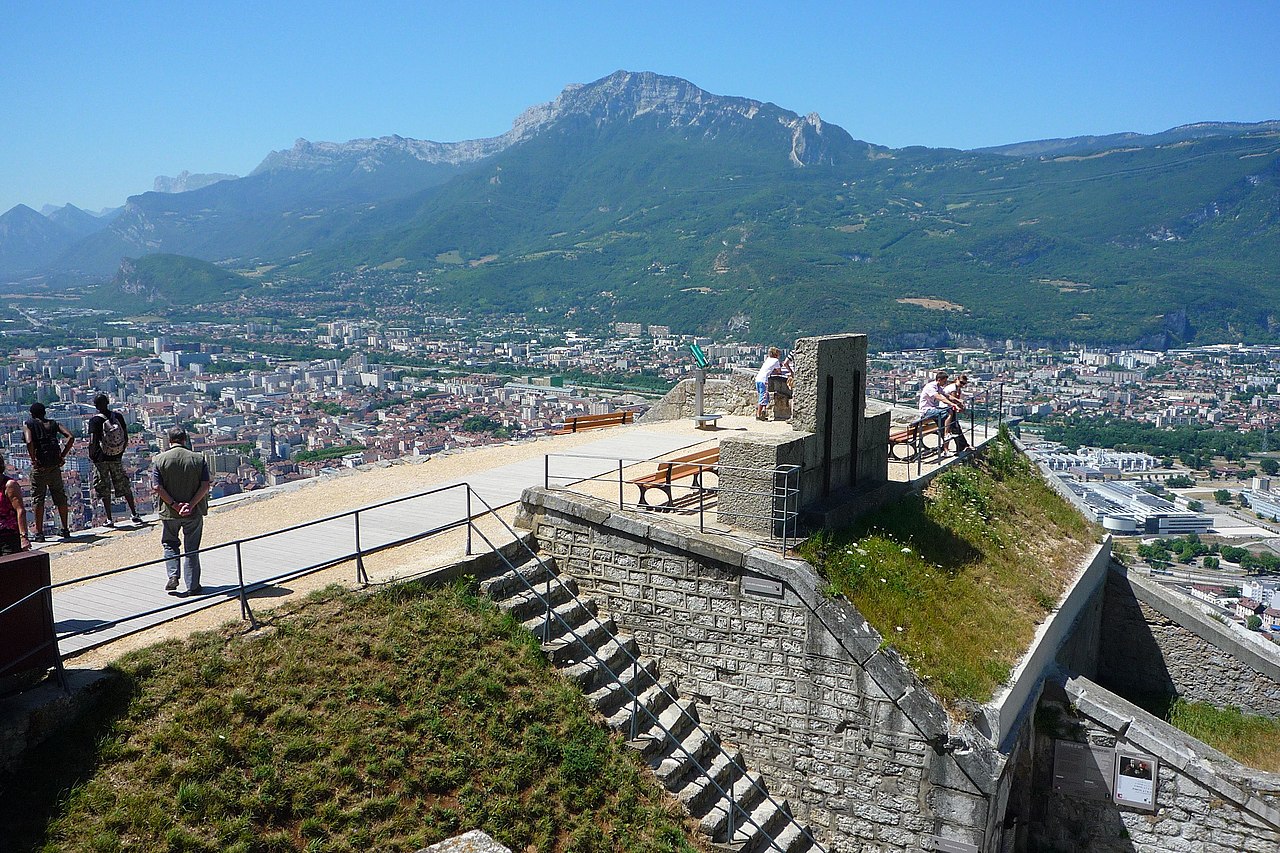
The region stretched from the broad Rhône and Saône river valleys into the high French Alps, including some of Western Europe’s best‑known peaks. It bordered Switzerland and Italy and encompassed important river basins and alpine watersheds that influence both Mediterranean and Atlantic drainage. Lowland plains and rolling hills support agriculture and vineyards, while the alpine zones supply hydroelectric power, forests and extensive outdoor recreation opportunities.
History and administration
Created as part of the modern regional organisation of France, Rhône‑Alpes was composed of eight departments (administrative divisions) and had a regional council seated in Lyon. The region developed strongly during the 19th and 20th centuries through textile, chemical and engineering industries and later through services, research and higher education. In 2016 the region was merged into the larger administrative entity of Auvergne‑Rhône‑Alpes as part of a national territorial reform.
Demography and settlement
Population was concentrated in the Lyon metropolitan area and in several mid‑sized cities. Rural and mountain areas remained more sparsely populated, with seasonal variations tied to tourism. The region combined long‑established urban centres, industrial suburbs and alpine communities with distinct local traditions and dialects.
Economy, research and transport
The economy mixed advanced manufacturing, chemicals, pharmaceuticals, agro‑food production and strong technology and research clusters, notably around Grenoble and the Lyon area. Lyon is widely recognised for its food industry and service sector, while parts of the region have specialised in high‑tech research, electronics and university research. Good transport links — including major rail hubs and international airports — connect the region nationally and to neighbouring countries. Economic reports and regional plans have highlighted innovation, sustainable tourism and energy transition as priorities.

Culture, cuisine and wine
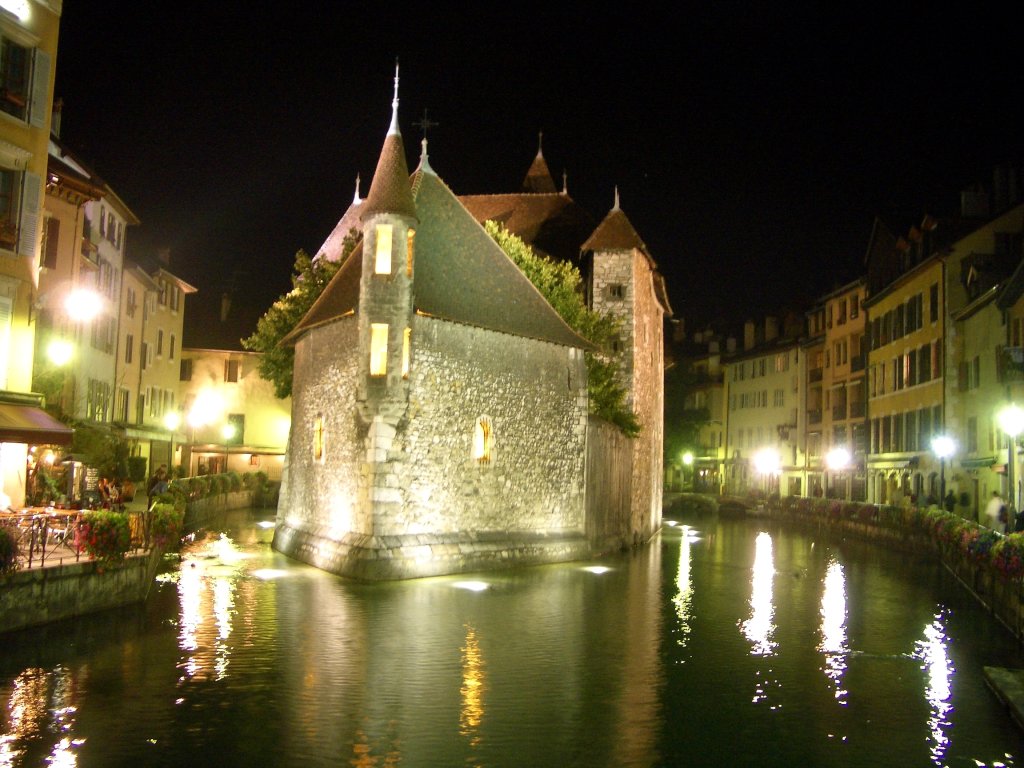
Lyon long held a reputation as a national gastronomic centre, with traditional cuisine and a strong artisanal food sector. The region includes notable wine areas and varied local culinary traditions. Museums, historic quarters, festivals and crafts reflect a mix of urban heritage and mountain cultures preserved in valley towns and alpine villages.
Tourism and sporting legacy
Mountain tourism and winter sports were central to the region’s identity: ski resorts and alpine facilities attracted international visitors for decades. The region also hosted the Winter Olympic Games on several occasions, events that shaped transport and sports infrastructure — the 1924 Winter Olympics at Chamonix, the 1968 Winter Olympics at Grenoble, and the 1992 Winter Olympics in and around Albertville. These editions reinforced the international profile of the alpine areas and encouraged year‑round mountain activities.
Departments
Further reading and resources
For general overviews, historical summaries and current administrative information consult regional and national publications or the institutional pages on regional organisation (Auvergne‑Rhône‑Alpes, regional history). Statistical and planning documents provide detailed demographic and economic data (population and economic reports), while tourism offices and cultural sites offer practical guidance for visitors and researchers interested in the alpine environment and urban heritage.
Related articles
Author
AlegsaOnline.com Rhône-Alpes — former administrative region of France Leandro Alegsa
URL: https://en.alegsaonline.com/art/82543