
1968 Winter Olympics (Grenoble, France)
The X Olympic Winter Games, held in Grenoble from 6–18 February 1968, featured 37 nations, technological and organizational innovations, and memorable performances such as Jean-Claude Killy’s triple gold.
Overview
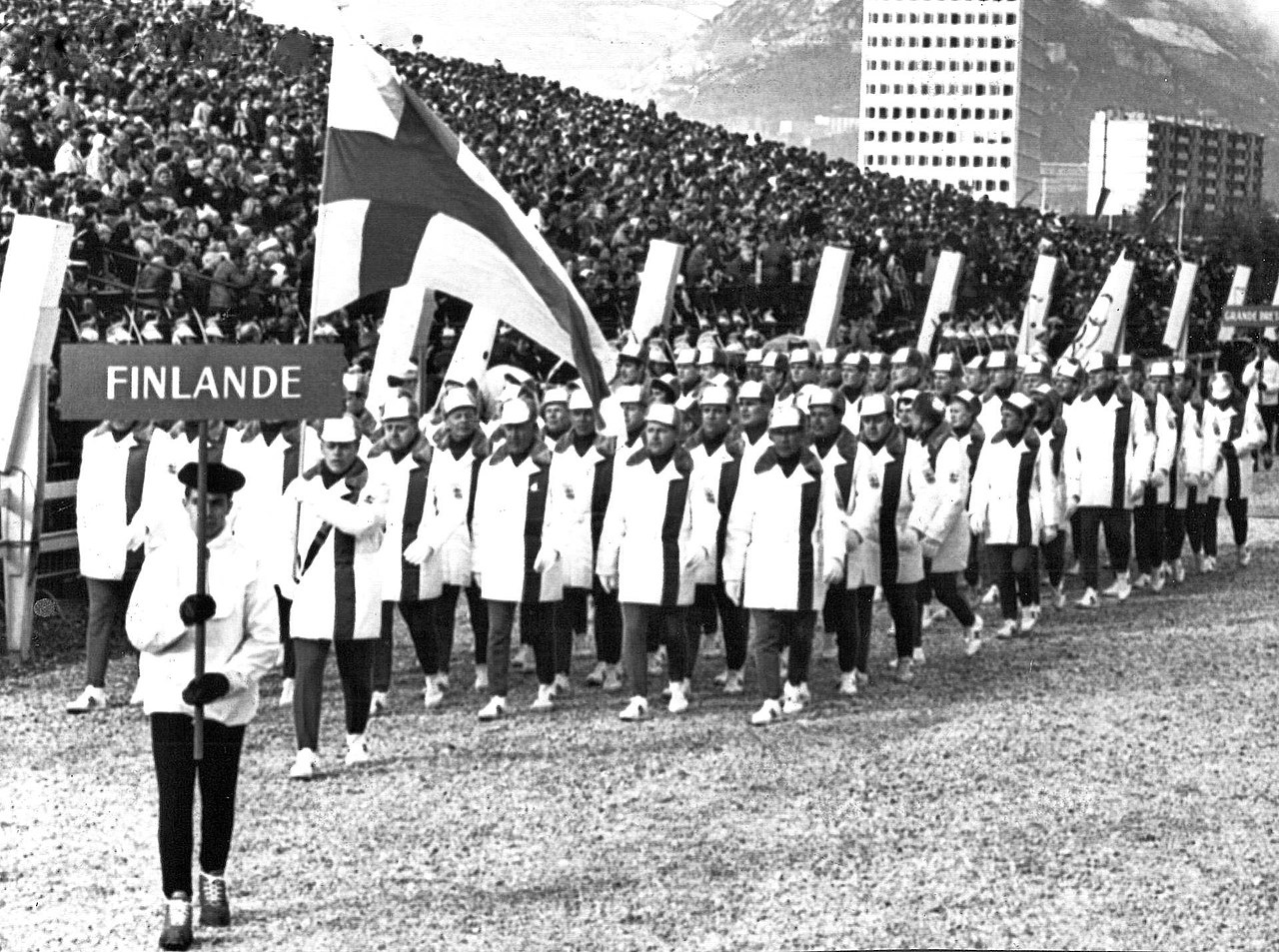
The X Olympic Winter Games were staged in Grenoble, in southeastern France, from 6 to 18 February 1968. Thirty-seven nations sent athletes to compete in traditional winter sport disciplines. The Grenoble Games are remembered for high-profile individual performances, an increase in television coverage, and several organizational innovations that helped shape later Winter Games.
Image gallery
10 Images




Events and venues
Competitions were held at venues in and around the city, including mountain sites for alpine events and dedicated rinks and tracks for skating, hockey and sliding sports. The program included the core winter sports:
- Alpine skiing
- Biathlon
- Bobsleigh
- Cross-country skiing
- Figure skating
- Ice hockey
- Luge
- Nordic combined
- Ski jumping
- Speed skating
Notable performances and results
French alpine skier Jean-Claude Killy achieved international fame by winning three Olympic gold medals in the men's alpine events on home snow. In figure skating, competitors delivered memorable routines that drew widespread attention from a growing television audience. According to the official medal standings from the Games, Norway finished with the highest total number of medals, breaking a sequence of Winter Games in which the Soviet Union had been dominant since its first Winter appearance in 1956.
Organization, technology and firsts
Grenoble introduced or expanded several practices that became standard at later Olympics. The organizing committee worked closely with broadcasters to bring more extensive live coverage into homes, including color broadcasts in some markets. The Games also implemented systematic anti-doping controls and medical examinations that included sex verification procedures for certain athletes — measures reflecting growing concern for fair play and athlete welfare.
Legacy and significance
The 1968 Winter Olympics boosted interest in winter sports in France and elsewhere, helped modernize timing and broadcast technologies used at competitions, and set organizational precedents for athlete testing and event presentation. Many of the facilities built for the Games continued to be used for international competitions and local training, marking Grenoble’s role in the development of winter sport infrastructure in Europe.
Further context
As an iteration of the postwar Olympic movement, the Grenoble Games combined athletic achievement with evolving international media and medical standards. They are often cited as a turning point in how Winter Olympics were staged, viewed and regulated, influencing the planning of subsequent Winter Games.
Grenoble | France | Norway | Soviet Union
Related articles
Author
AlegsaOnline.com 1968 Winter Olympics (Grenoble, France) Leandro Alegsa
URL: https://en.alegsaonline.com/art/112099