
Haute‑Savoie — Alpine département of France bordering Switzerland and Italy
Haute‑Savoie is a mountainous département in Auvergne‑Rhône‑Alpes, known for Mont Blanc, Lake Geneva, ski resorts, cross‑border links with Switzerland and historical ties to Savoy.
Haute‑Savoie is a French département in the Auvergne‑Rhône‑Alpes region of France. Located in the high Alps of southeastern France, it shares international frontiers with Switzerland and Italy. The area combines high mountain terrain, major lakes and busy transalpine corridors that shape its economy and culture.
Image gallery
10 Images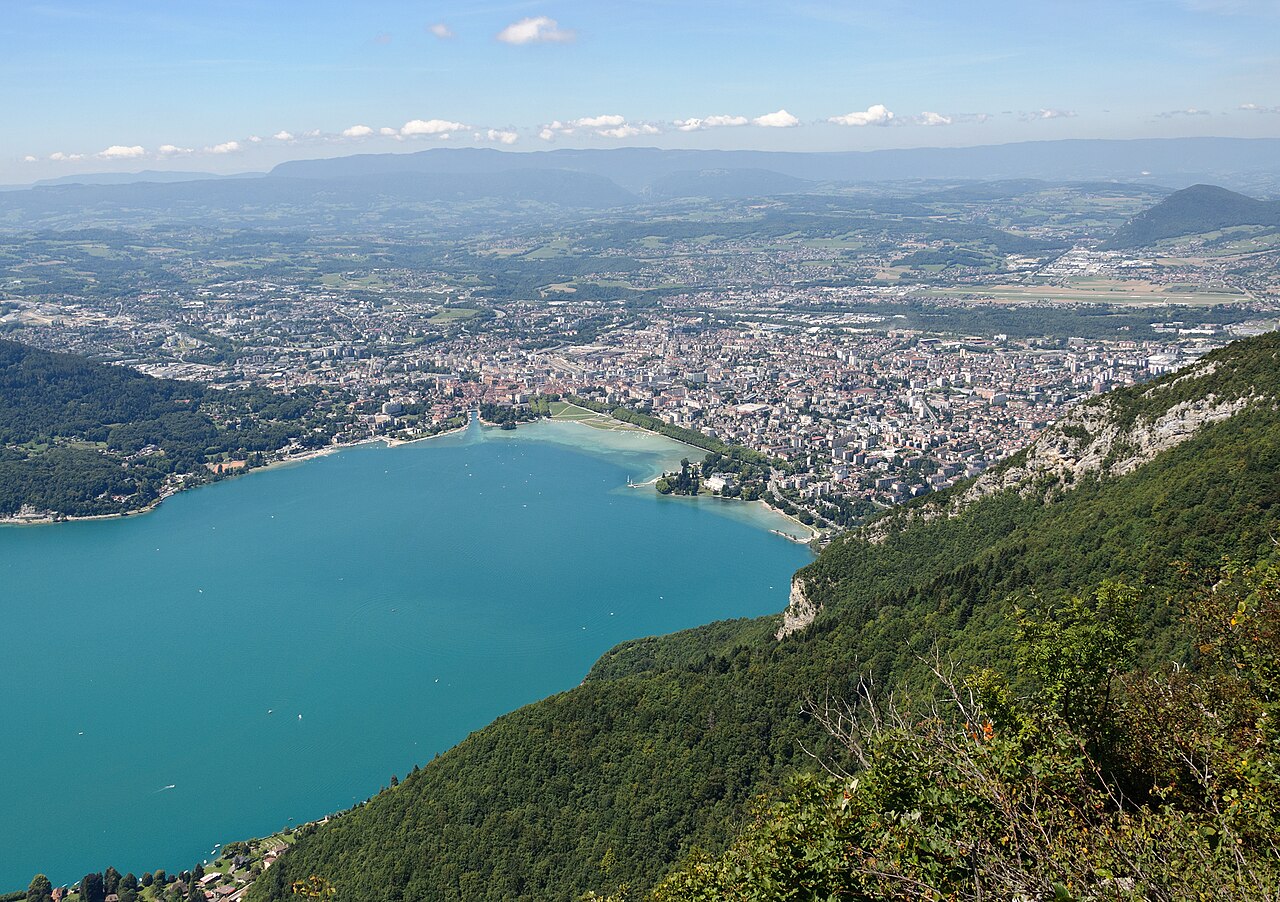


Geography and principal places
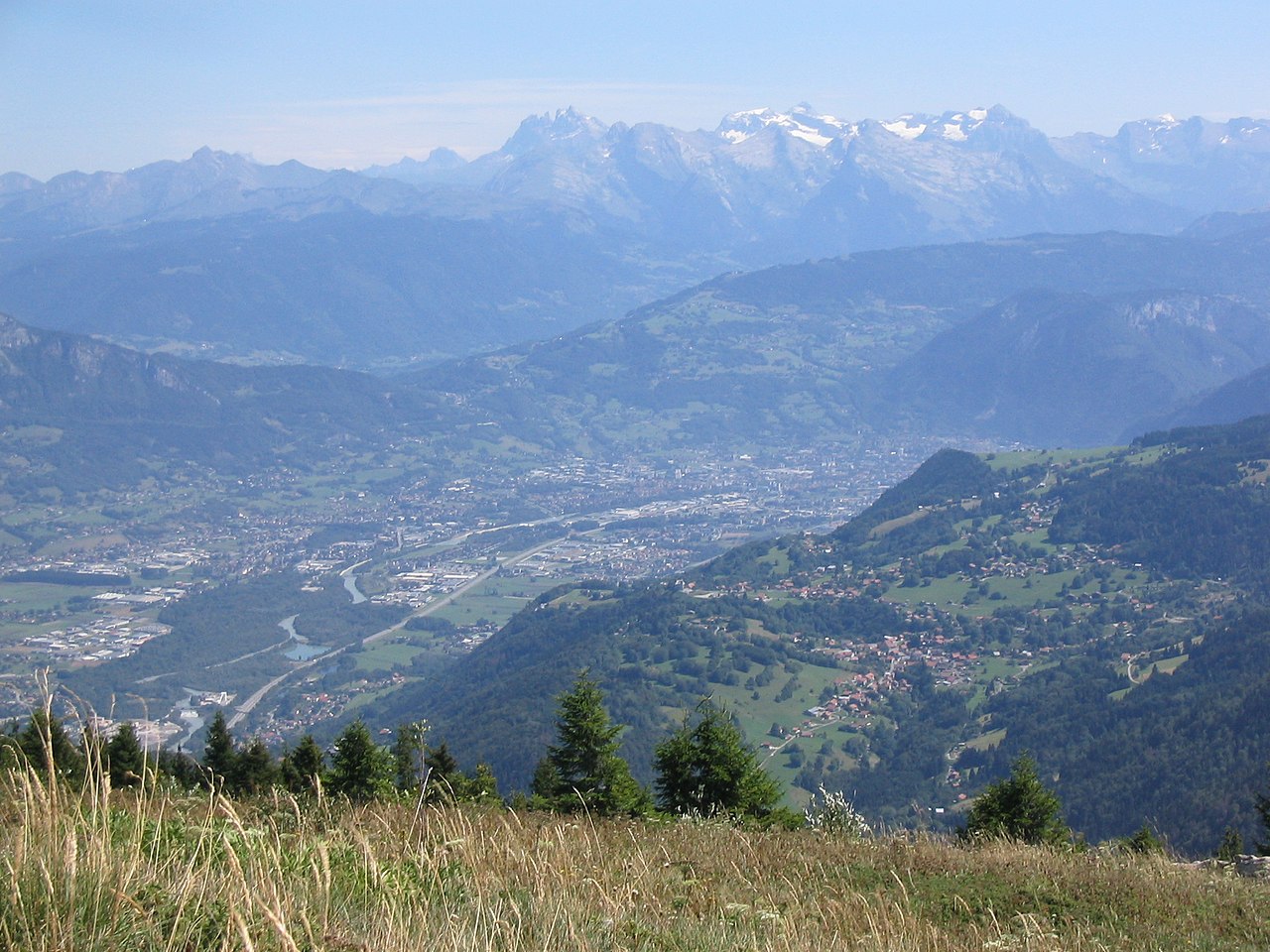
The département contains some of Western Europe's most prominent Alpine features, including the Mont Blanc massif and part of Lake Geneva (Lac Léman). The prefecture is Annecy, a lakeside town known for its old town and canals. Other important towns include Thonon‑les‑Bains, Annemasse and Chamonix. Landscape ranges from valley floor settlements to high mountain passes and glaciers.
History and identity
Haute‑Savoie has long been linked to the historic region of Savoy. Modern administrative boundaries date from the mid‑19th century when the territory became part of France. Local identity reflects a mix of French and Alpine traditions, with historical ties across the nearby borders.
Economy, transport and tourism
Tourism—both winter skiing and summer alpine activities—is a cornerstone of the local economy. Famous resorts and destinations include Chamonix (for mountaineering and skiing) and Evian‑les‑Bains (noted for its mineral water and spa facilities). The département also benefits from industry, agriculture (notably dairy and cheeses), and strong cross‑border commuting with nearby Swiss job centres such as Geneva.
Notable places and conservation
- Chamonix‑Mont‑Blanc: alpine sports and mountaineering hub.
- Annecy: cultural and tourist centre on Lac Léman's outlet.
- Evian‑les‑Bains: spa town and bottled water brand origin.
- Regional parks and protected areas that conserve mountain ecosystems.
Transport links include road and rail connections to major French and Swiss cities and proximity to international airports in the Geneva area. Haute‑Savoie remains notable for its dramatic landscapes, outdoor recreation, and the blending of mountain traditions with modern cross‑border economic life.
Related articles
Author
AlegsaOnline.com Haute‑Savoie — Alpine département of France bordering Switzerland and Italy Leandro Alegsa
URL: https://en.alegsaonline.com/art/42858
Sources
- hautesavoie.fr : "Commission Permanente"
- insee.fr : "Département de la Haute-Savoie (74)"
- insee.fr : "Populations légales 2014 des départements et des collectivités d'outre-mer"
- splaf.free.fr : "Historique de la Haute-Savoie"
- peakbagger.com : "Mont Blanc, France/Italy"
- annuaire-mairie.fr : "Ville de Annecy"
- insee.fr : "Département de la Haute-Savoie (74)"
- insee.fr : "Régions, départements, arrondissements, cantons et communes"
- insee.fr : "Département de la Haute-Savoie (74)) et Arrondissements"
- legifrance.gouv.fr : "Décret n° 2014-153 du 13 février 2014 portant délimitation des cantons dans le département de la Haute-Savoie"
- habitants.fr : "Habitants du départment: Haute-Savoie"