
Rhône (European river)
The Rhône is a major Alpine river rising in Switzerland and flowing 812 km through Lake Geneva and France to the Mediterranean, forming the Camargue delta and supporting navigation, hydroelectricity and rich wetlands.
Overview
The Rhône is a principal river of western Europe. It begins in the Alps, flows through Switzerland and France, and empties into the Mediterranean Sea. The river's length is commonly given as about 812 kilometres. From its glacial source the Rhône passes through major lakes and cities, drains a large basin, and has a substantial average discharge compared with other Mediterranean rivers.
Image gallery
10 Images





Course, basin and characteristics
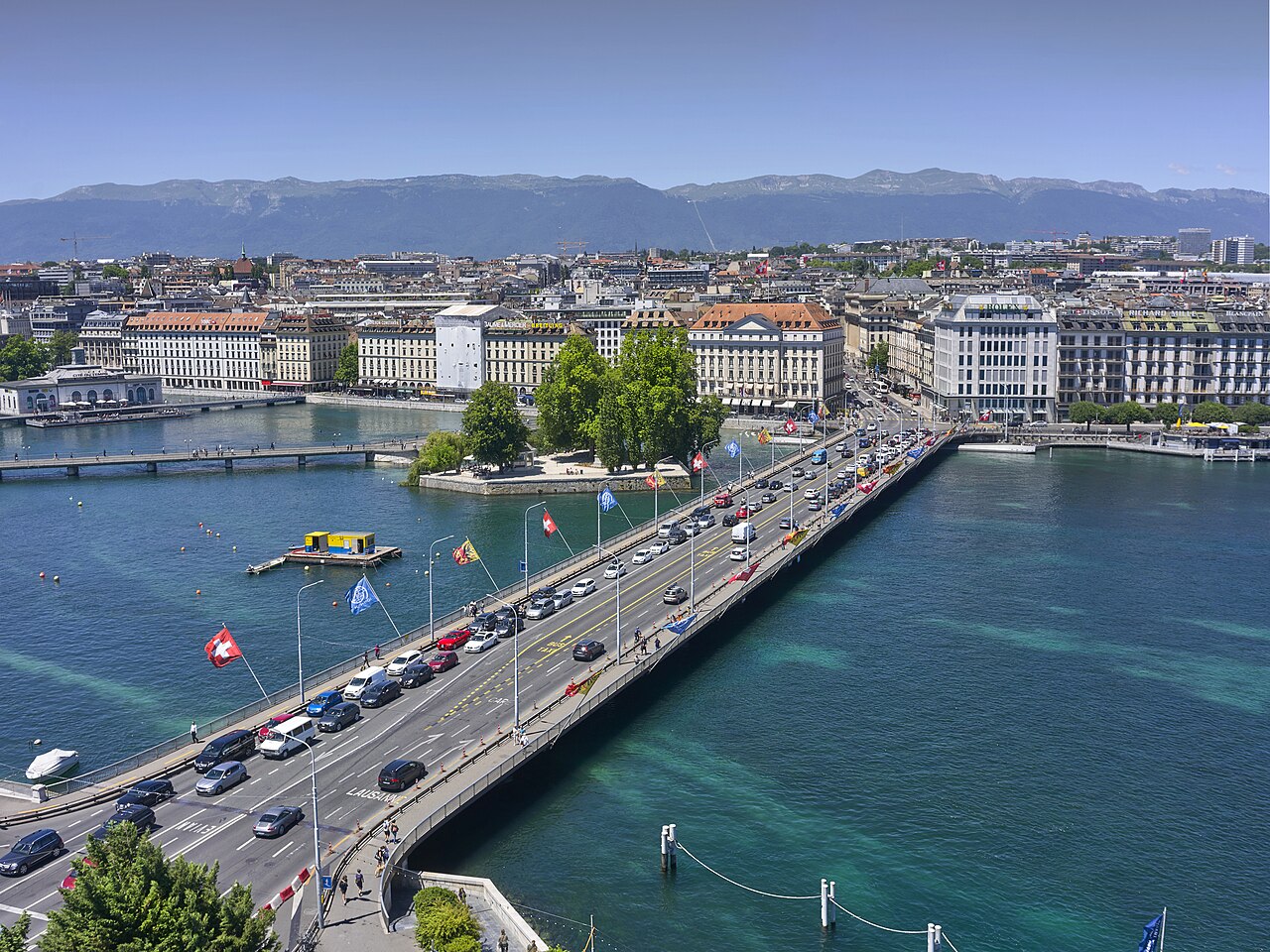
The Rhône rises from the Rhône Glacier in the Swiss Alps and immediately flows into Lake Geneva (Lac Léman) before leaving Switzerland to enter France. Along its course it receives many tributaries; major ones include the Saône (which joins at Lyon), the Isère, the Durance and others. The river drains a basin of roughly 95,500 square kilometres and at measurement points such as Tarrascon has an average flow on the order of 1,700 cubic metres per second, with historic flood peaks that have exceeded 12,000 cubic metres per second during extreme events (floods).
Delta, ecology and the Camargue
In its lower reaches the Rhône splits into two main branches and forms the Camargue, a broad wetland and delta region of international ecological significance. The area between the Grand Rhône and the Petit Rhône supports a mosaic of marshes, lagoons, salt flats and rice fields and is noted for its birdlife, including flamingos, as well as feral horses and traditional cattle breeds. These wetlands help buffer floods, support fisheries, and host protected habitats.
Human use, infrastructure and navigation
The river has long been used for transport, irrigation and power. Navigation is important on many stretches, with canal links and locks allowing commercial and recreational traffic. Extensive engineering works — dams, reservoirs and diversion channels — were built in the 19th and 20th centuries to regulate flow, produce hydroelectricity, and reduce flood risk. The Rhône's regulated flow supports agriculture, industry and urban water supply in its valley.
History, culture and notable facts
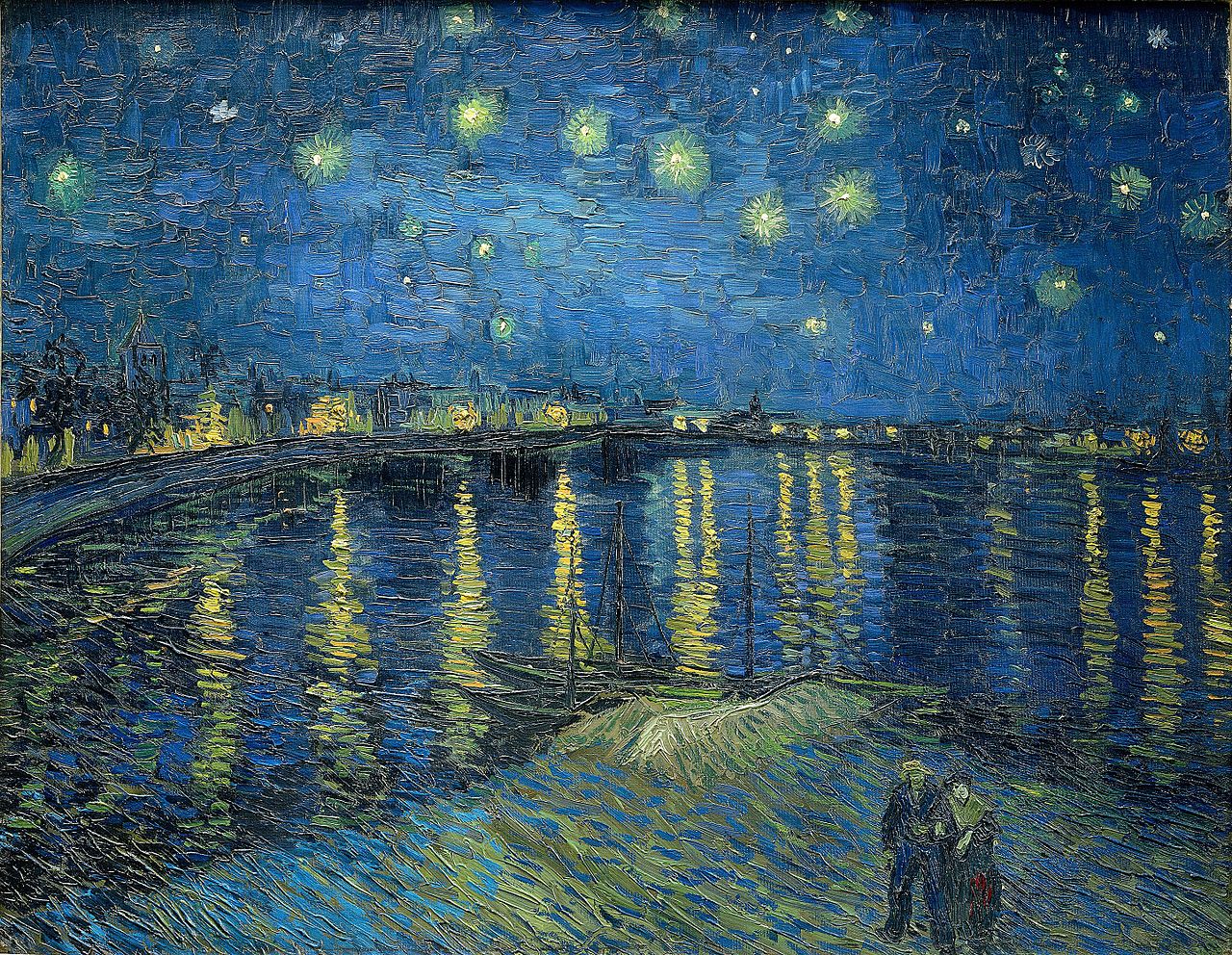
Settlements along the river, including Geneva and Lyon, have relied on the Rhône for trade and communications since antiquity. The river and its banks have inspired artists and writers; notably, Vincent van Gogh painted scenes of the Rhône around Arles (Lake Geneva is another iconic location along its early course) and Nile-to-Rhône comparisons often appear in discussions of Mediterranean river discharges because the Rhône is among the largest rivers to reach that sea. The Rhône's twin-branch delta, the engineered flood management systems, and the Camargue's biodiversity are among the river's most distinctive features.

Quick reference
- Length: ~812 km
- Source: Rhône Glacier (Alps)
- Major tributary: Saône
- Outflow: Mediterranean Sea
- Noted issues: flood control, water management, wetland conservation
Related articles
Author
AlegsaOnline.com Rhône (European river) Leandro Alegsa
URL: https://en.alegsaonline.com/art/82545