
Rice County, Kansas
Rice County is a rural county in central Kansas with Lyons as its county seat; agriculture shapes its economy and small towns preserve its frontier and railroad heritage.
Overview
Rice County is a county located in the central region of the U.S. state of Kansas. It is a predominantly rural area whose economy and settlement patterns reflect the Great Plains environment. As recorded by the 2010 census, the county had a population of 10,083 residents. The administrative center and largest community is Lyons, which serves as the county seat and a local service hub.
Image gallery
6 Images



History and name
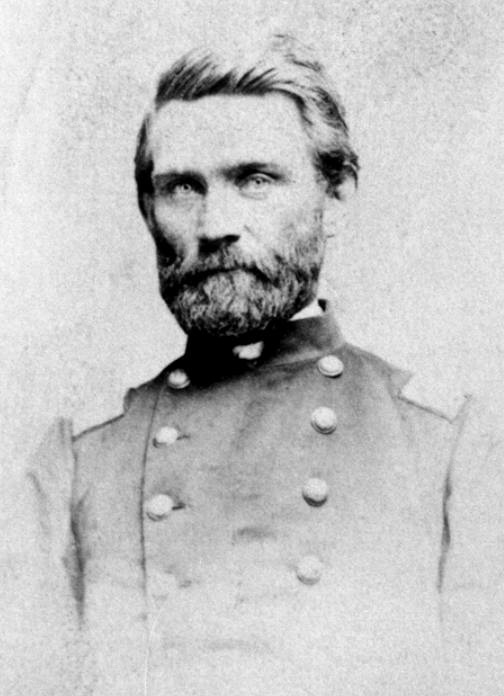
The county was named in honor of Brigadier-General Samuel Allen Rice, a Union volunteer who was killed during the American Civil War at the battle of Jenkins Ferry in Arkansas. Like many Kansas counties, Rice County grew rapidly after the Civil War as settlers moved westward, railroads were extended across the plains, and agriculture became established on the former prairie lands.
Geography and landscape
Rice County lies within the broad plains of central Kansas. The terrain is generally flat to gently rolling, suitable for large-scale farming. Soil and climate favor cereal grains, and the pattern of fields, irrigation ditches and farmsteads is a defining feature of the landscape. Small woodlots, streams and manmade reservoirs provide local variation in an otherwise open countryside.
Economy and land use
Agriculture is the dominant economic activity, with farms producing wheat, other grains, sorghum and supporting livestock operations. Local businesses and services in Lyons and other small towns support the farming community. Historically, rail lines and highways have been important for transporting crops and linking the county to regional markets.
Communities and civic life
Beyond Lyons, Rice County includes a number of small municipalities, unincorporated communities and rural townships. Local schools, volunteer organizations, county government and community events play a central role in civic life. The county’s small population and dispersed settlement pattern give it a quiet, close-knit character.
Notable facts
- Named for a Civil War brigadier-general and veteran of the Union army.
- Population is small and largely rural; community services are centered on Lyons.
- Agriculture and transportation (roads and rail) have shaped its development.
Questions and answers
Q: What state is Rice County located in?
A: Rice County is located in the state of Kansas in the United States.
Q: How many people lived in Rice County in 2010?
A: In 2010, Rice County had a population of 10,083 people.
Q: What is the county seat of Rice County?
A: The county seat of Rice County is Lyons.
Q: Is Lyons the biggest city in Rice County?
A: Yes, Lyons is the biggest city in Rice County.
Q: Who was Samuel Allen Rice?
A: Samuel Allen Rice was a Brigadier-General in the United States volunteers who was killed on April 30, 1864 at Jenkins Ferry, Arkansas.
Q: Why was Rice County named after Samuel Allen Rice?
A: Rice County was named after Samuel Allen Rice to honor him for his service in the United States military and sacrifice in the civil war.
Q: What is the standard abbreviation for Rice County?
A: The standard abbreviation for Rice County is RC.
Related articles
Author
AlegsaOnline.com Rice County, Kansas Leandro Alegsa
URL: https://en.alegsaonline.com/art/82615
Sources
- quickfacts.census.gov : "State & County QuickFacts"
- naco.org : "Find a County" · web.archive.org
- skyways.lib.ks.us : "Rice County"
- census.gov : "US Gazetteer files: 2010, 2000, and 1990"
- census.gov : "Population and Housing Unit Estimates"
- census.gov : "U.S. Decennial Census"
- mapserver.lib.virginia.edu : "Historical Census Browser"
- census.gov : "Population of Counties by Decennial Census: 1900 to 1990"
- census.gov : "Census 2000 PHC-T-4. Ranking Tables for Counties: 1990 and 2000"
- uselectionatlas.org : uselectionatlas.org/RESULTS/