
Saint-Étienne — French industrial city and cultural center
Saint-Étienne, prefecture of Loire in Auvergne-Rhône-Alpes, grew from medieval origins into an industrial hub known for arms, mining and design; today it blends manufacturing heritage, museums and a celebrated football club.
Overview
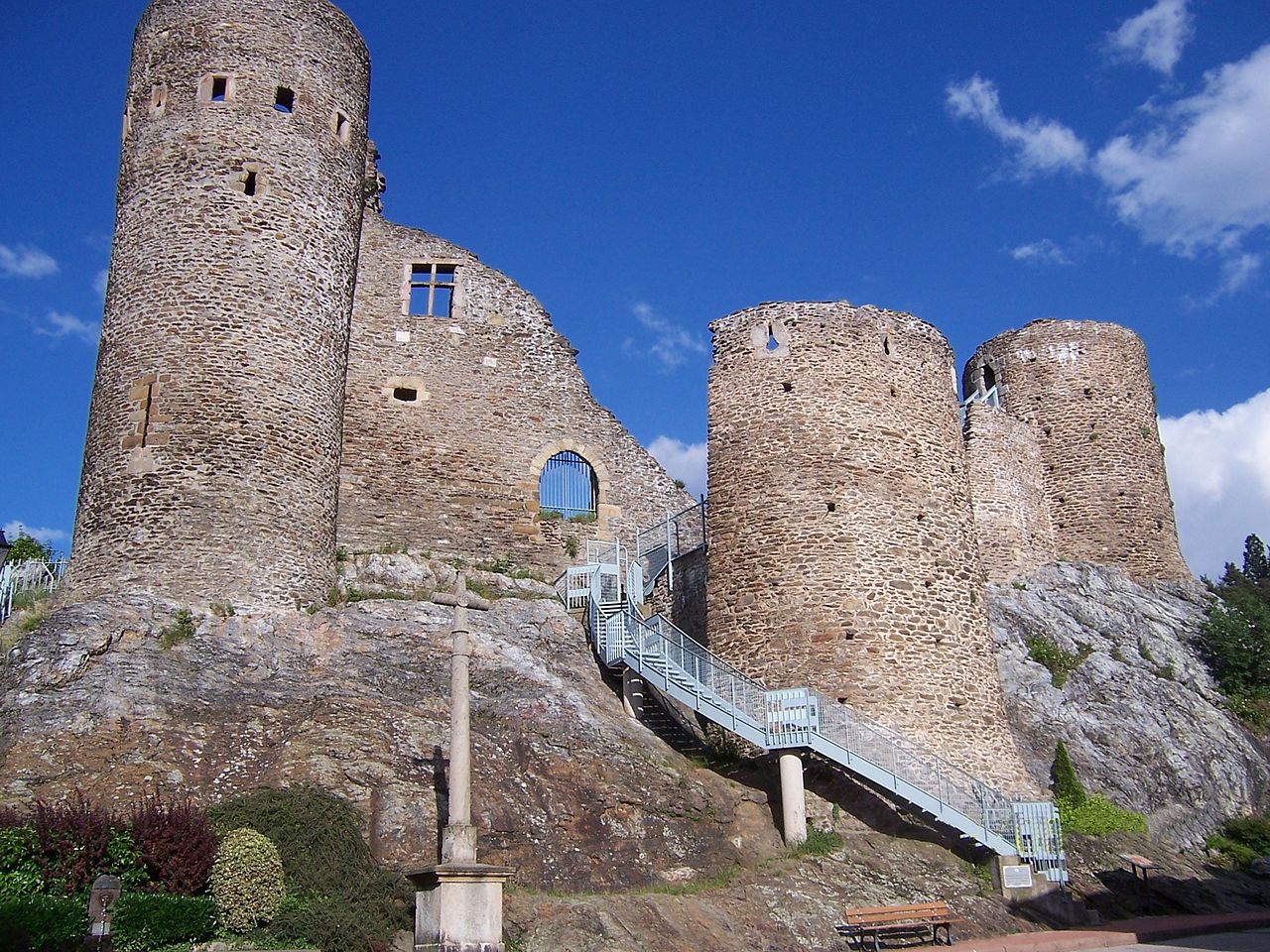
Saint-Étienne is a city in central-eastern France, located to the southwest of Lyon. It serves as the prefecture of the Loire department within the Auvergne-Rhône-Alpes region. The urban area occupies a transitional zone between the Massif Central highlands and the Rhône valley, which shaped its development as a manufacturing and mining center from the late Middle Ages onward.
Image gallery
7 Images


History and development
The place-name appears in surviving documents from 1258 as Sancti Stephani de Furanum. From roughly the 14th century Saint-Étienne became known for metalworking and the production of arms, a craft that stimulated population and economic growth. Later centuries brought coal mining and diverse light industries, which defined the city’s identity through the 19th and 20th centuries. In recent decades the post-industrial transition has emphasized heritage conservation, cultural reuse of industrial sites and promotion of design.
Key cultural figures and institutions reflect the area’s wider influence: the composer Jules Massenet was born near the city, and contemporary programming highlights art, music and applied arts alongside industrial archaeology.
Economy, culture and identity
Historically anchored in arms manufacture, coal and textile-related trades, Saint-Étienne has diversified into manufacturing, services and creative industries. The city is internationally recognized for its work in design and industrial heritage; it was later designated in networks that celebrate cities of design. Museums, design schools and biennials use former factories and workshops as venues, linking past and present.
- Administrative role: prefecture of Loire.
- Region: part of Auvergne-Rhône-Alpes region, near Lyon.
- Cultural ties: birthplace and surroundings of Jules Massenet.
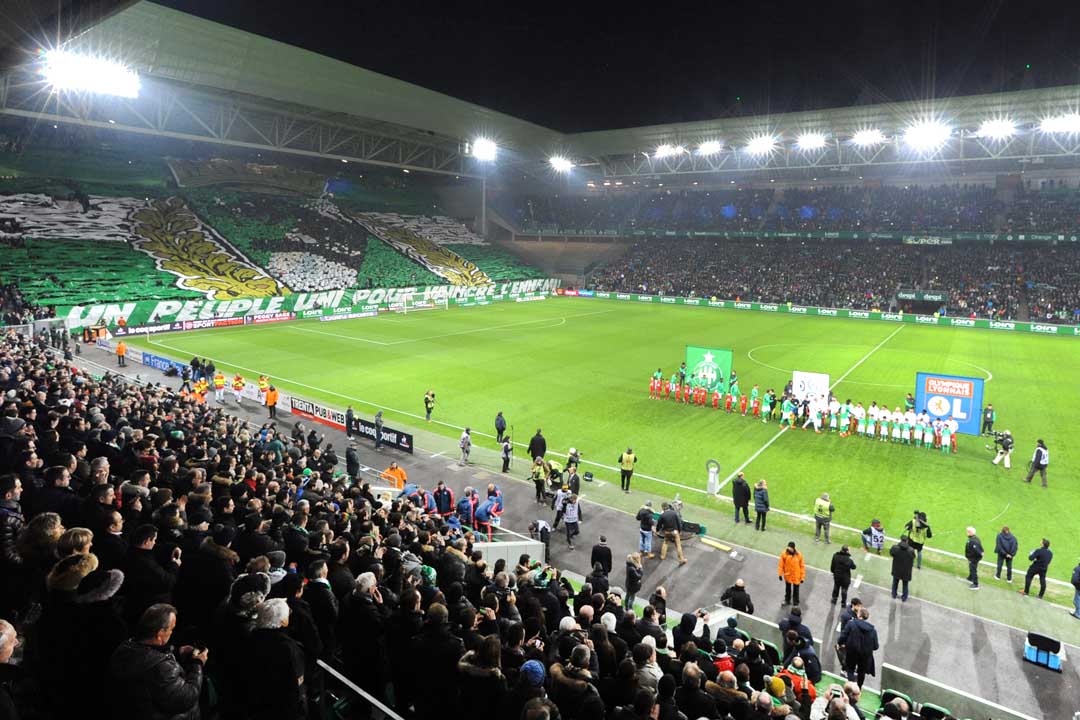
- Sporting identity: home of A.S. Saint-Étienne, one of France’s best-known football clubs.
Public transport and regional rail links connect the city to Lyon and to nearby towns, while urban renewal projects have focused on improving public spaces, rehabilitating industrial buildings and expanding cultural facilities. Today Saint-Étienne presents a mix of working-class heritage, contemporary design activity and community-driven cultural life that continues to shape its image in France and abroad.
Related articles
Author
AlegsaOnline.com Saint-Étienne — French industrial city and cultural center Leandro Alegsa
URL: https://en.alegsaonline.com/art/85569