
Drôme: French department in Auvergne-Rhône-Alpes
Drôme is a department in southeastern France, named for the Drôme river. Known for varied landscapes from Alpine foothills to Provençal plains, it includes Valence, Montélimar, vineyards, lavender and historic towns.
The Drôme is a department in southeastern France, created during the reorganization of the country in the late 18th century. Its name comes from the Drôme river, which crosses much of the territory. The area retains a strong Occitan heritage (Occitan: Droma) and forms part of the modern administrative region of Auvergne-Rhône-Alpes.
Image gallery
10 Images


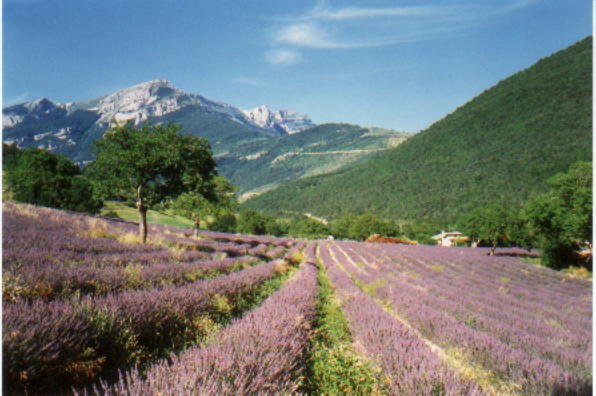


Location and landscape
Situated in southeastern France, the department connects highland ridges and the Rhône valley to warmer Provençal plains. The landscape ranges from the limestone plateaus and gorges of the Vercors and other Alpine foothills to sunlit orchards, olive groves and lavender fields in the south. Rivers and valleys shape local agriculture and settlement patterns, with many small towns clustered along transport corridors and riverbanks (river valley).
Administration and main towns
Administratively the Drôme is one of France’s departments (French department) and uses Valence as its prefecture (Valence). Other notable towns include Montélimar, famous for nougat (Montélimar), and several subprefectures and market towns that serve surrounding rural areas. The department combines a predominantly rural character with small urban centers and tourism-oriented villages.
Economy, agriculture and culture
Local economic activities mix agriculture, viticulture and tourism. Vineyards produce well-known Rhône wines, while the milder southern zones support fruit, olives and aromatic crops. Gastronomy and artisanal products—nougat, cheeses, olive oil and regional wines—are important for identity and visitors. The area also preserves Roman and medieval monuments, hilltop villages and castles that reflect its layered history.
Tourism and recreation
- Outdoor activities: hiking, cycling and climbing in the Vercors and foothills.
- Cultural visits: historic towns, castles and Provençal markets.
- Gastronomy: wine routes, local markets and specialty producers.
For readers seeking practical information about travel, administration and local initiatives consult regional resources and guides that cover the Drôme’s varied landscapes and attractions (regional features, department). The blend of Alpine influences, Rhône valley viticulture and Provençal character makes the Drôme a transition zone with distinct natural and cultural appeal.
Questions and answers
Q: Where is Drôme located?
A: Drôme is located in southeastern France in the Auvergne-Rhône-Alpes region.
Q: What is the meaning of the word "Drôme" in Occitan language?
A: In Occitan, the word "Drôme" means "Droma".
Q: After what is Drôme river named?
A: The Drôme river is named after the department of Drôme.
Q: What is the capital city of Drôme?
A: The capital city of Drôme is Valence.
Q: What is the significance of Drôme river?
A: Drôme river is significant because it serves as a namesake for the French department of Drôme.
Q: What is the meaning of "prefecture" in the context of Drôme?
A: In the context of Drôme, "prefecture" refers to the administrative capital of the department, which is Valence.
Q: What region is Drôme a part of?
A: Drôme is a part of the Auvergne-Rhône-Alpes region in southeastern France.
Related articles
Author
AlegsaOnline.com Drôme: French department in Auvergne-Rhône-Alpes Leandro Alegsa
URL: https://en.alegsaonline.com/art/28974
Sources
- ladrome.fr : "La Présidente"
- insee.fr : "Comparateur de territoire Département de la Drôme (26)"
- insee.fr : "Populations légales 2014 des départements et des collectivités d'outre-mer"
- splaf.free.fr : "Historique de la Drôme"
- peakbagger.com : "Rocher Rond, France"
- weatherbase.com : "Valence, France - Köppen Climate Classification"
- insee.fr : "Département de la Drôme (26)"
- insee.fr : "Régions, départements, arrondissements, cantons et communes"
- insee.fr : "Département de la Drôme (26) et Arrondissements"
- legifrance.gouv.fr : "Décret n° 2014-191 du 20 février 2014 portant délimitation des cantons dans le département de la Drôme"
- habitants.fr : "Drôme"