
Cypress — trees of the Cupressaceae family
Cypress refers to several genera of coniferous trees in the family Cupressaceae, valued for timber, ornament, and ecology; includes true and false cypresses and species adapted to diverse climates.
Cypress is a common name applied to a variety of coniferous trees and shrubs in the broader cypress group. The term is used for species across several genera and grows in many regions of the Northern Hemisphere. Many references treat cypresses as members of the larger coniferous family; see general entries on trees, conifers and the family Cupressaceae for taxonomic context.
Image gallery
10 Images


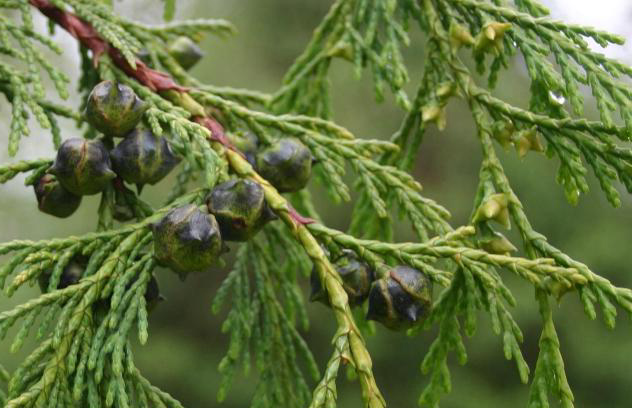
Overview and distinguishing features
Cypresses are typically evergreen, though a few well-known members are deciduous. Leaves may be scale-like or needle-like depending on species and age. Reproductive structures are woody cones rather than flowers. Wood is often aromatic, tightly grained, and resistant to decay, which has influenced human uses for millennia.
Distribution, history and development
Species called cypress occur naturally across the Mediterranean, western North America, East Asia and parts of Central America. Different lineages developed traits suited to dry, rocky soils or to seasonally flooded wetlands. Human cultivation spread many species far beyond their native ranges for ornamental, shelterbelt and timber purposes.
Uses and cultural importance
Cypresses are widely planted as ornamental trees, hedges and windbreaks. Their durable timber and fragrant wood have been used in construction, boatbuilding and for outdoor furniture. In many cultures cypress trees have symbolic roles—commonly associated with cemeteries, memorials and garden design.
Ecology, management and notable species
- Ecological roles: some species tolerate flooding and create distinctive swamp forests; others stabilize soils and provide shelter in dry landscapes.
- Management: susceptible to pests and fungal diseases in some climates; proper siting and pruning improve longevity.
- Notable examples: Mediterranean cypress (a classic columnar species), bald cypress of wetland habitats, and several ornamental false cypresses used in parks and gardens.
Taxonomic distinctions and practical notes
Common names can be confusing: "true" cypresses and "false" cypresses belong to different genera but are similar in appearance. Botanical classification has shifted as botanists refine relationships within Cupressaceae. For practical purposes—horticulture, forestry and cultural uses—common names persist, so careful identification is advised when selecting plants for a specific site or purpose.
Related articles
Author
AlegsaOnline.com Cypress — trees of the Cupressaceae family Leandro Alegsa
URL: https://en.alegsaonline.com/art/24924