
Red admiral (Vanessa atalanta)
A common, strikingly patterned butterfly of temperate regions, known for strong flight, seasonal migration, and larval association with nettles.
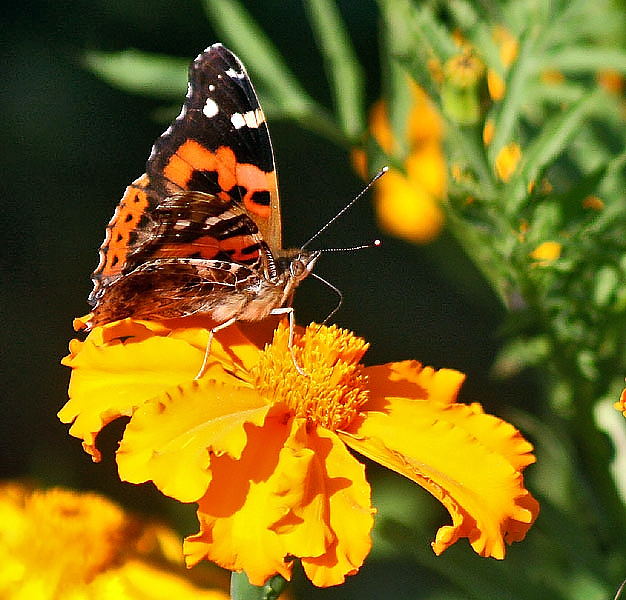
The red admiral (Vanessa atalanta) is a familiar and conspicuous butterfly recognized for its dark wings crossed by bright red bands and white spotting. Its wingspan is typically about 45–50 mm, and adults are admired for their swift, direct flight and territorial behavior. The species occurs across temperate parts of Europe, Asia and North America and has been the subject of many natural-history observations because of its migrations and overwintering habits; see a general species overview here.
Image gallery
10 Images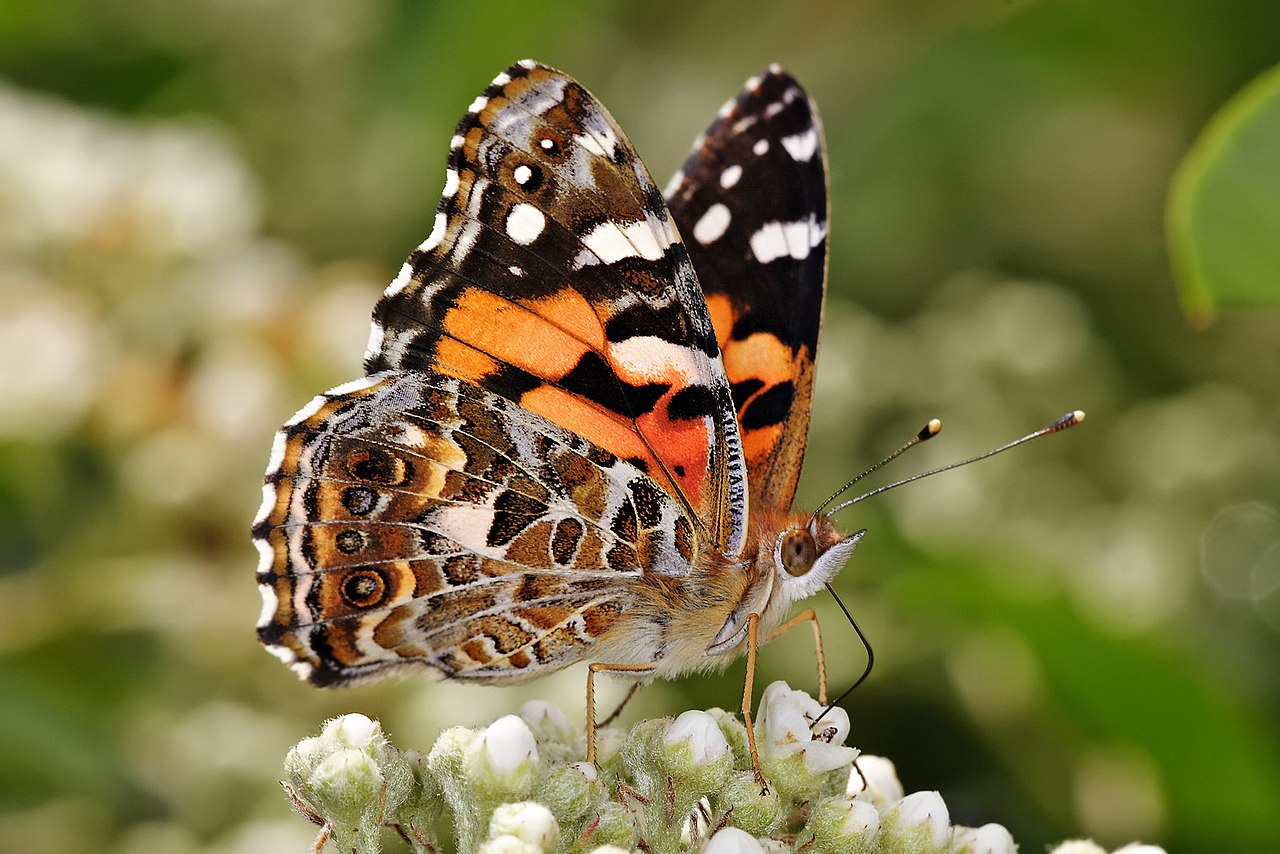





Identification and anatomy
Adult red admirals show a characteristic pattern: mostly black-brown fore- and hindwings bearing a broad, diagonal red band on each forewing and a red marginal band on the hindwings. The forewing tips have a series of small white spots. Caterpillars are typically dark and spiny, often found in groups on the larval foodplant. Key field marks include:
- Forewing red band running from the leading edge diagonally toward the outer margin.
- White subapical spots set against a dark background on the forewing tip.
- Size medium, with wingspan around 45–50 mm.
Range, migration and seasonal habits
Vanessa atalanta has a broad temperate distribution. It is native to much of Europe, parts of Asia and widespread in North America. The species is resident only in warmer regions; many populations in northern areas are renewed each year by migrants. Spring northward movements are well documented and can be followed by partial returns in autumn; migration has been summarized in regional guides here and autumn observations here. In cooler climates the adults are often among the last butterflies seen before winter sets in, while in milder zones they may persist through winter and fly on sunny days.
Life cycle, host plants and behaviour
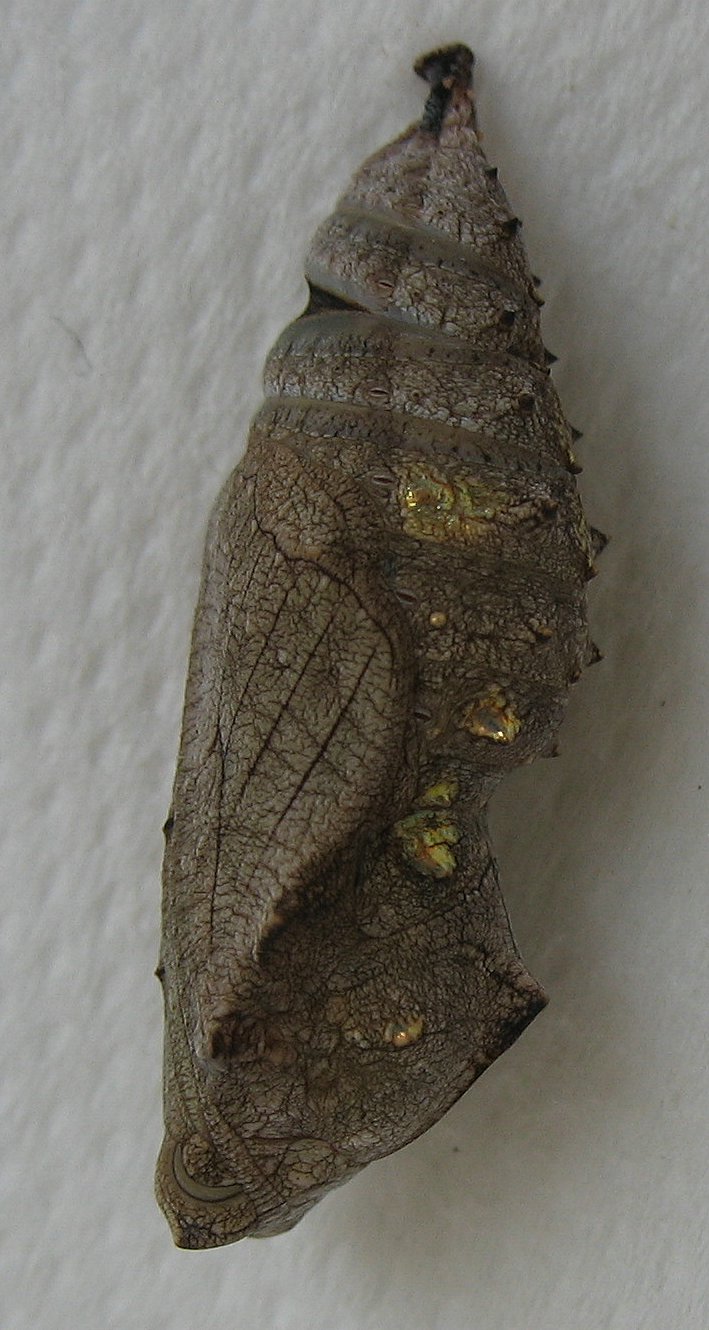
Red admirals typically produce one to several broods per year depending on latitude and climate. Females lay eggs singly on the leaves of larval host plants; the caterpillars feed mainly on various nettles and related plants. Common behaviors include aggressive territorial defence by males, basking when cool, and use of sheltered sites for overwintering. Adults feed on nectar, sap flows and overripe fruit, and during late season they frequently visit blooming ivy and other autumn flowers. In some regions individuals enter diapause and hibernate in sheltered places, reappearing in spring with often darker coloration than freshly emerged summer broods.
Regional notes and conservation
In North America the species commonly produces two broods from spring into autumn in many areas; much of the continent is recolonized annually from southern source populations, although some southern localities support overwintering groups (for example in parts of south Texas—see regional note). The red admiral is not generally considered threatened and adapts well to human-modified habitats, provided larval host plants are available. Its conspicuous appearance and accessible habits make it a frequent subject of amateur naturalists and butterfly surveys.
Similar species and notable facts
Closely related Vanessa species may resemble the red admiral in pattern and behavior; careful attention to the red band width, white apical spots and flight period helps distinguish them. The species' mix of territoriality, migratory tendency, and flexible feeding habits illustrate adaptive strategies of temperate butterflies and explain its wide distribution and popularity among observers.
Questions and answers
Q: What is the scientific name for the red admiral butterfly?
A: The scientific name for the red admiral butterfly is Vanessa atalanta.
Q: Where is the red admiral butterfly found?
A: The red admiral butterfly is found in temperate Europe, Asia, and North America.
Q: How large is the wing span of the red admiral butterfly?
A: The wing span of the red admiral butterfly is 45-50 mm (1.8-2.0 in).
Q: Is the red admiral butterfly a resident species?
A: The red admiral butterfly is not a resident species, it is only resident in warmer areas, but migrates north in spring and sometimes again in autumn.
Q: What does the red admiral butterfly feed on?
A: The red admiral butterfly feeds on the flowers of ivy on sunny days.
Q: Does the red admiral butterfly hibernate?
A: Yes, the red admiral butterfly hibernates and re-emerging individuals show darker colorings than first brood subjects.
Q: How many broods does the red admiral butterfly generally have in North America?
A: The red admiral butterfly generally has two broods from March through October in North America.
Related articles
Author
AlegsaOnline.com Red admiral (Vanessa atalanta) Leandro Alegsa
URL: https://en.alegsaonline.com/art/81619
Sources
- bbc.co.uk : bbc.co.uk
- onlinelibrary.wiley.com : onlinelibrary.wiley.com/doi/10.1111/j.1600-0587.2012.07738.x/abstract