
Red-crowned crane (Grus japonensis)
A large East Asian crane species with white plumage and a red head patch, highly symbolic in culture and considered endangered due to habitat loss and small populations.
The red-crowned crane (Grus japonensis) is a tall, striking bird often called the Japanese crane or Manchurian crane. It is one of the most recognizable crane species in East Asia and is widely regarded there as a symbol of luck, longevity and fidelity. Adult birds are largely white with a patch of exposed red skin on the crown, and they stand conspicuously in wetland habitats.
Image gallery
10 Images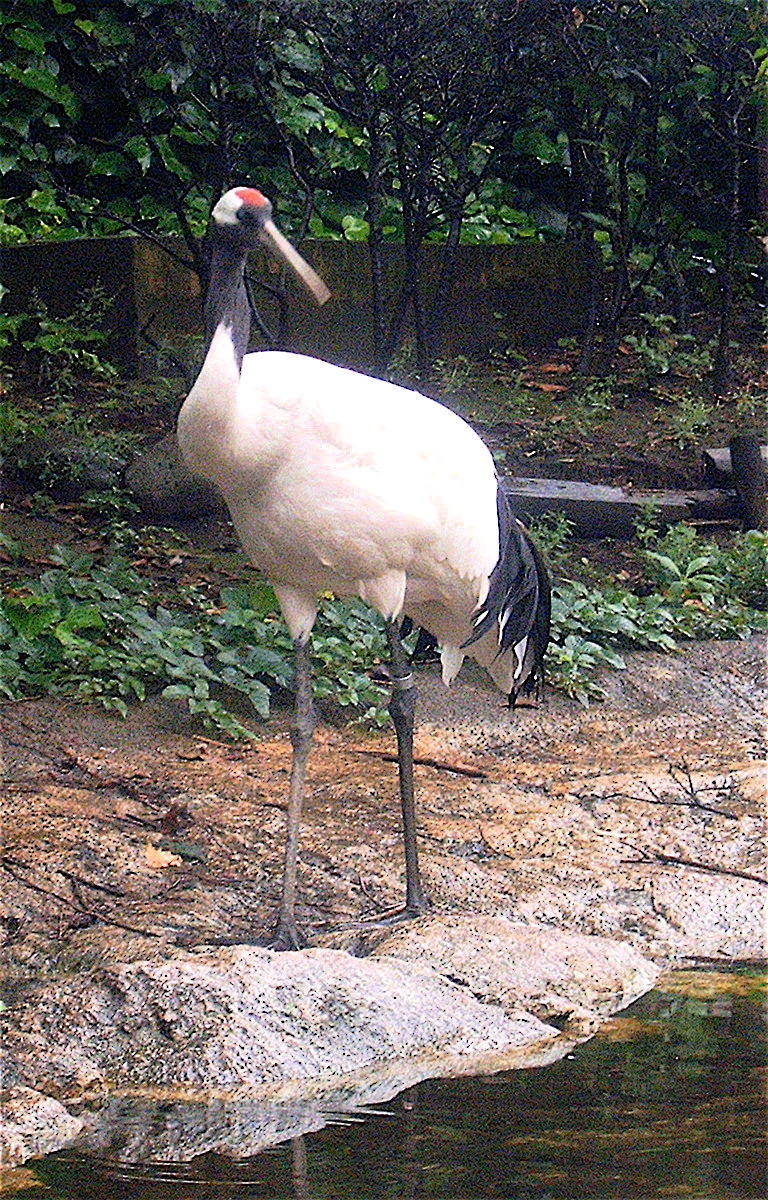



Identification and characteristics
Key features make the species distinctive:
- Size: A very large crane, often cited around 55 inches in height.
- Plumage: Predominantly white with contrasting dark feathers on parts of the wings and neck, and the characteristic red crown.
- Behavioral traits: Known for elaborate calling displays and synchronized courtship dances that reinforce pair bonds.
Range, habitat and movements
The red-crowned crane breeds and winters in eastern Asia. It is closely associated with freshwater wetlands, particularly marshes and swamps, where it finds food and builds nests. Some populations are migratory, traveling between breeding and wintering grounds, while others—most notably a group in northern Japan—are largely resident year-round. For general species information see species page and cultural context in East Asia.
Diet, breeding and behavior
These cranes are opportunistic feeders that take a variety of aquatic and terrestrial prey, including fish, amphibians, insects and plant material. They typically form long-term pair bonds and use large, well-constructed nests in marsh vegetation to raise chicks. Family groups may remain together through the first year as juveniles learn to forage and avoid predators.
Conservation and cultural importance
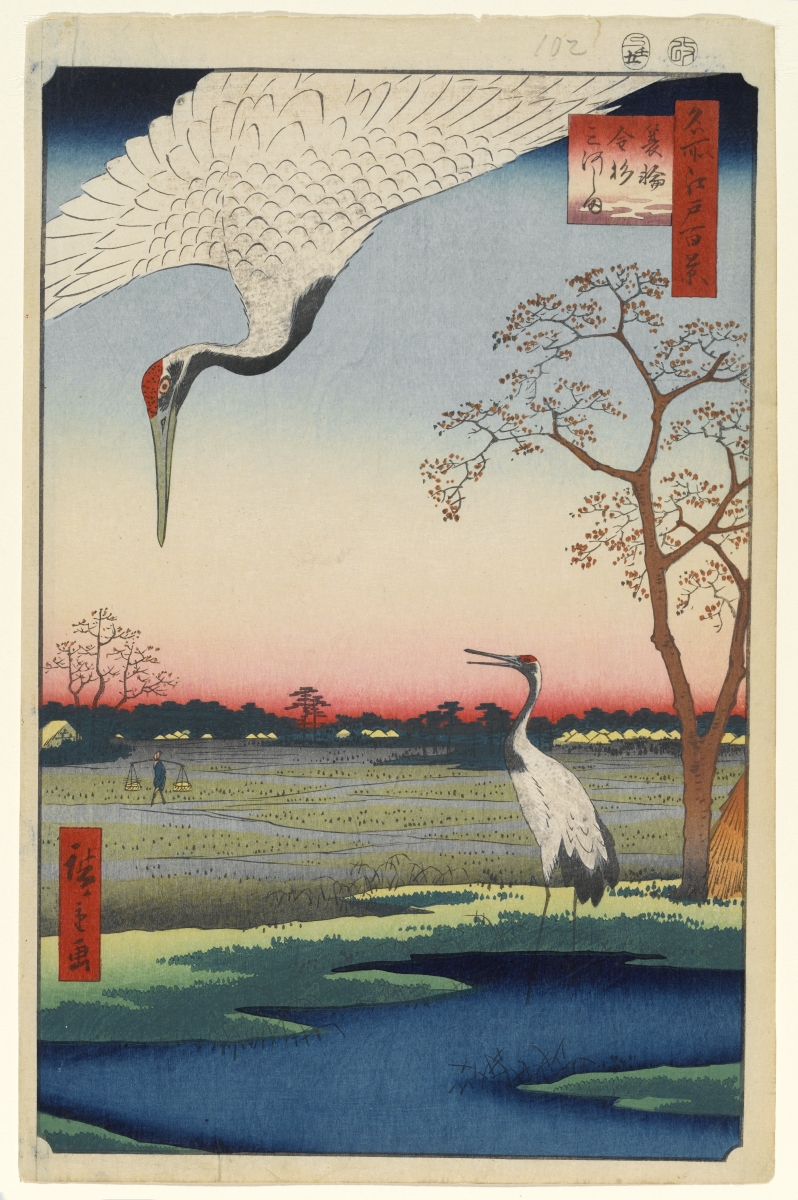
The red-crowned crane is considered one of the rarest crane species; it has experienced population declines from wetland drainage, conversion of habitat to agriculture, and other human pressures, and it receives protection through reserves, captive breeding and international conservation programs. In East Asian cultures the bird is celebrated in art, folklore and ceremonies as a motif of fidelity and good fortune; see cultural references here. Important habitat types include marshes and swamps, which conservation efforts aim to preserve.
Because of its size, striking appearance and symbolic role, the red-crowned crane continues to draw attention from ecologists, conservationists and the public. Ongoing monitoring, habitat protection and international cooperation remain central to ensuring its long-term survival. For additional resources follow regional conservation links such as species information and cultural materials at symbolism resources.
Questions and answers
Q: What is the red-crowned crane?
A: The red-crowned crane is a large crane known for its rarity and importance in East Asian culture.
Q: What is the size of the red-crowned crane?
A: The red-crowned crane is 55 inches tall.
Q: What is the significance of the red-crowned crane in East Asian culture?
A: The red-crowned crane represents luck and fidelity in East Asian culture.
Q: Where does the red-crowned crane live?
A: The red-crowned crane inhabits marshes and swamps.
Q: How rare is the red-crowned crane?
A: The red-crowned crane is the second rarest crane in the world after the North American whooping crane.
Q: How does the red-crowned crane appear when it matures?
A: When it matures, the red-crowned crane is snow white with a patch of red skin on its head.
Q: Is the red-crowned crane an easy prey?
A: Despite standing out in marshes and swamps, the red-crowned crane does not make easy prey due to its size.
Related articles
Author
AlegsaOnline.com Red-crowned crane (Grus japonensis) Leandro Alegsa
URL: https://en.alegsaonline.com/art/81644
Sources
- nationalzoo.si.edu : "Red-crowned crane fact sheet"