
Shelter: forms, functions, design, and social roles
An overview of shelters: definitions, common types, design features, services, historical development and practical issues for emergency, domestic violence, homeless and animal shelters.
A shelter is any place or structure intended to protect people, animals or objects from danger, harm or adverse conditions. At minimum a shelter provides cover from the elements; more complex facilities offer food, medical care, legal help, counseling or longer-term housing. For basic protection from environmental hazards see weather protection.
Image gallery
7 Images

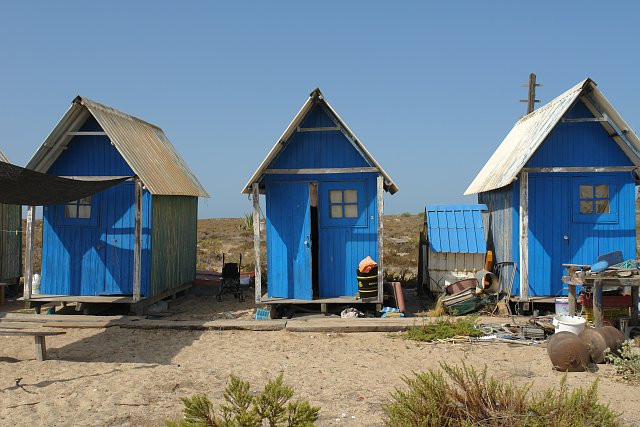


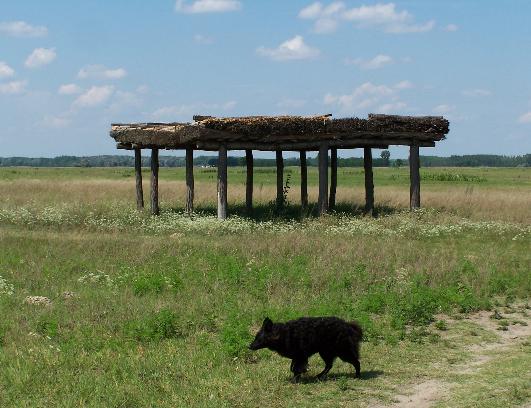
Common types of shelters
- Picnic and recreational shelters: open pavilions, gazebos and park shade structures used for leisure and community gatherings.
- Animal shelters: facilities that care for stray, abandoned or rescued animals and provide adoption services.
- Homeless shelters: emergency or transitional housing offering beds, meals and referrals for people without stable housing.
- Political shelters and asylum: refuge for people fleeing persecution or conflict.
- Religious shelters: faith-based guesthouses, hospices or sanctuaries that provide care and temporary refuge.
- War and fallout shelters: structures adapted to protect against attacks, blast or hazardous fallout.
- Emergency and disaster shelters: rapidly deployed facilities for floods, fires, earthquakes and other crises.
- Women’s shelters and men’s shelters: gender-specific services for survivors of violence or those with special needs.
Many categories overlap: a community hall can serve as a recreational shelter in normal times and as an emergency shelter during a flood. Shelters are run by governments, charities, religious groups and volunteers, often mixing public funding and donations.
Design, features and services
Design depends on purpose. Temporary emergency shelters emphasize rapid assembly, capacity, sanitation and clear circulation; long-term residential shelters include sleeping areas, kitchens and private counseling spaces. Common features are clearly marked entrances, basic utilities, storage, accessibility and security. Food and provision support are core services in many programs (food assistance), while others include case management, job referrals and health care.
Specialized shelters for survivors of domestic abuse prioritize confidentiality, safety planning, legal referral and trauma-informed counseling. Such programs operate in many places including the United States and the United Kingdom, and are common across developed countries as well as in other nations. Stays vary by program: some are short-term emergency placements, others provide transitional housing while people rebuild stability (typical durations, temporary housing). Many shelters connect residents to ongoing counseling and support services (counseling referrals) and to specialist hotlines (abuse support).
Animal shelters and care
Animal shelters combine housing with medical care, behavioral assessment and adoption programs. Typical facilities include isolation areas, kennels or catteries, treatment rooms and volunteer-run programs. Successful shelters balance care, public education and rehoming efforts to reduce long-term surrenders.
History and social role
Use of shelter is ancient, from natural caves to improvised lean-tos. Institutional shelters emerged as societies urbanized and public responses to vulnerability developed: relief for refugees, the homeless and disaster survivors. The 20th century added civil defense and purpose-built wartime shelters; contemporary practice emphasizes flexible shelter systems, community resilience and integration with social services.
Safety, management and legal aspects
Operating a shelter involves safety planning, staff training, record keeping and understanding relevant laws on confidentiality, child protection and emergency powers. Coordination with local authorities, health services and social agencies improves outcomes. Volunteers and professional staff share roles in intake, care, maintenance and referral.
Finding and using shelters
When seeking shelter, clarify the facility’s purpose, eligibility rules, expected length of stay and the services offered. Local directories, social-service agencies and community groups can point to appropriate options such as homeless services, asylum resources, faith-based programs or official civil defence guidance. Preparedness planning for families and pets can ease transitions during emergencies.
In summary, shelters serve both practical and social functions: they reduce immediate risk, provide stabilizing services and connect people and animals to longer-term solutions. Design, management and the mix of services vary by context but all aim to protect and restore safety and dignity.
Related articles
Author
AlegsaOnline.com Shelter: forms, functions, design, and social roles Leandro Alegsa
URL: https://en.alegsaonline.com/art/89644