
Camping: outdoor overnight recreation, types, gear, history, and safety
Overview of camping as outdoor overnight recreation: common styles, equipment, history, activities, environmental etiquette, and basic safety guidance for beginners and experienced campers.
Camping is an outdoor leisure pursuit in which people spend one or more nights away from their usual residences, typically sleeping in tents, vehicles or under the open sky. Many go camping to experience nature, seek adventure, or simply change environment and routine. Some travelers use a campervan or trailer; others rely on a tent; and when weather permits people may sleep in the open air. The activity is often described as a leisure pursuit, and people camping for scenery or challenge may identify as tourists, hikers, or outdoor enthusiasts (nature and adventure visitors).
Image gallery
10 Images




Common forms and styles
Camping is not a single activity but a family of practices that vary by comfort, mobility and purpose. Typical styles include:
- Car camping — driving to a campsite and staying nearby with easy access to gear.
- Backpacking — carrying all necessities on foot for multi-day trips; emphasizes light, compact equipment.
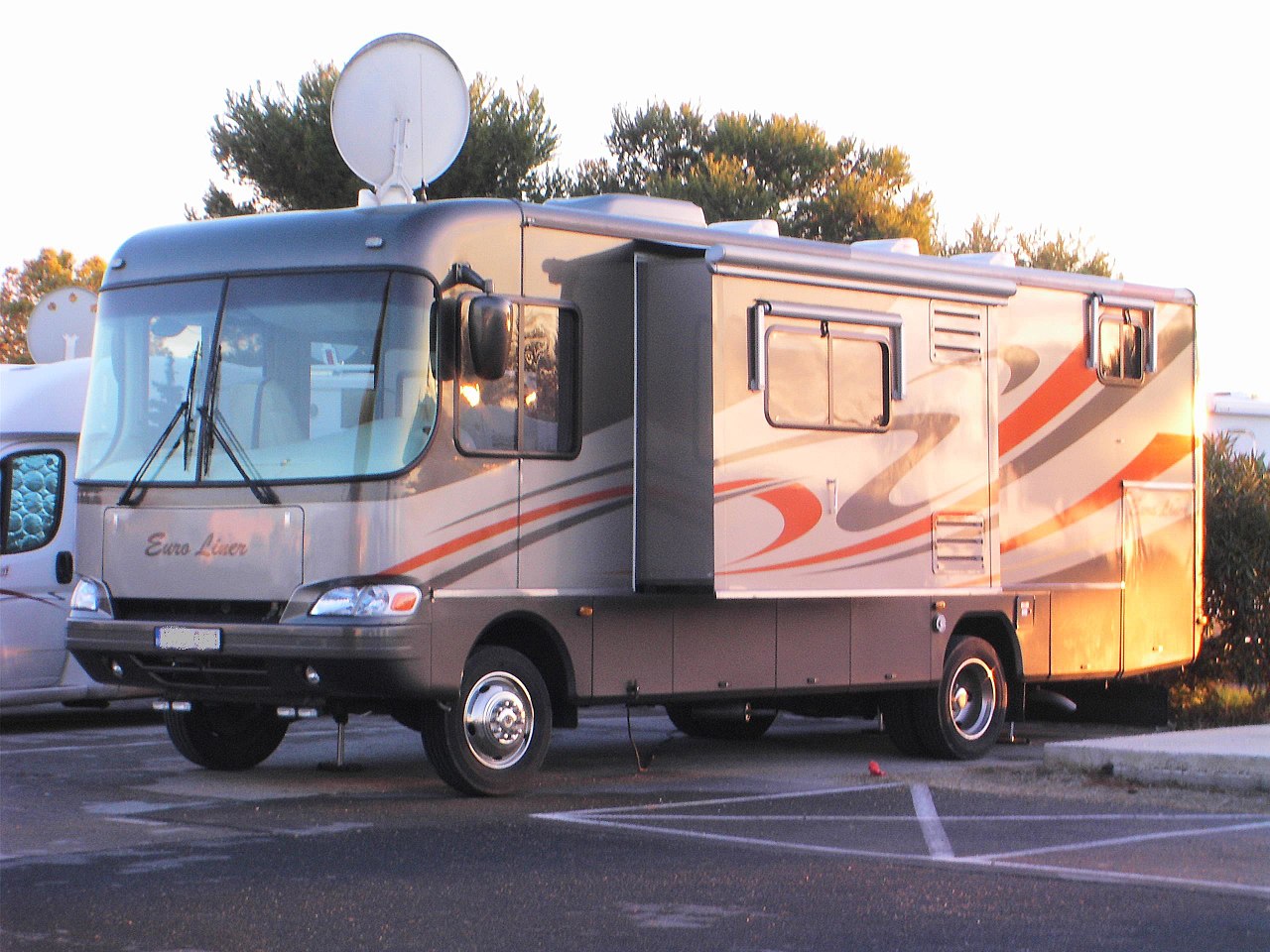
- RV or campervan camping — traveling and sleeping in motorized vehicles or trailers for more comfort and shelter.
- Winter or snow camping — camping in cold conditions with specialized clothing and shelter; requires more planning.
- Glamping — short for "glamorous camping," offering more amenities such as prepared bedding or electricity.
Typical equipment and activities
At its simplest, camping requires shelter, sleep systems and basic means to prepare food. Common equipment includes tents, sleeping bags and pads, camp stoves, water containers, lighting, and a small first-aid kit. Many campsites provide picnic tables and fire rings; in more remote settings campers must carry a stove and water-treatment tools. Typical activities are hiking, birdwatching, photography, swimming, and cooking over a fire. When camping in hunting or fishing areas, people may prepare game or fish they have taken (hunting, fishing), though seasonal regulations and permits often apply.
Origins and cultural development
Recreational camping began to emerge in the late 19th and early 20th centuries as leisure time and travel became more available to wider social groups. Early organized outdoor clubs and youth camps promoted overnight outdoor stays as a way to teach skills and to encourage appreciation of wild places. During the 20th century, improvements in transportation, the rise of national and state parks, and the manufacturing of lightweight gear made camping increasingly accessible for families and individual travelers.
Safety, planning and environmental etiquette
Safe camping depends on preparation: check weather forecasts, learn basic first aid, purify water, store food to avoid attracting wildlife, and choose campsites away from hazards such as flood-prone areas. Fire safety is critical where campfires are allowed — use existing fire rings, obey local restrictions, and fully extinguish fires. To reduce impact, many campers follow "Leave No Trace" principles: pack out all trash, avoid damaging vegetation, dispose of human waste properly, and minimize noise. Respect seasonal rules and permits in parks, and be cautious with water sources to prevent illness.
Camping offers varied benefits: direct contact with nature, opportunities for skill-building and social bonding, and a relatively low-cost way to travel. Whether a brief weekend at a managed campground, a multiday backpacking route, or a winter expedition, camping remains a popular way to experience landscapes and outdoor life. For more information on specific techniques, regulations and local sites, consult regional guides and park authorities or trusted sources online (recreation guides, nature resources). Additional resources and equipment reviews can help newcomers plan trips and choose appropriate gear (campervan and RV advice, tent selection tips, wild camping guidance).
Related articles
Author
AlegsaOnline.com Camping: outdoor overnight recreation, types, gear, history, and safety Leandro Alegsa
URL: https://en.alegsaonline.com/art/16393