
Blackwater river: origins, chemistry, ecology and conservation
A blackwater river is a darkly stained, slow-moving channel draining forested wetlands. Tannins and humic acids give it low nutrients, acidity, and a distinctive ecology distinct from whitewater and clearwater rivers.
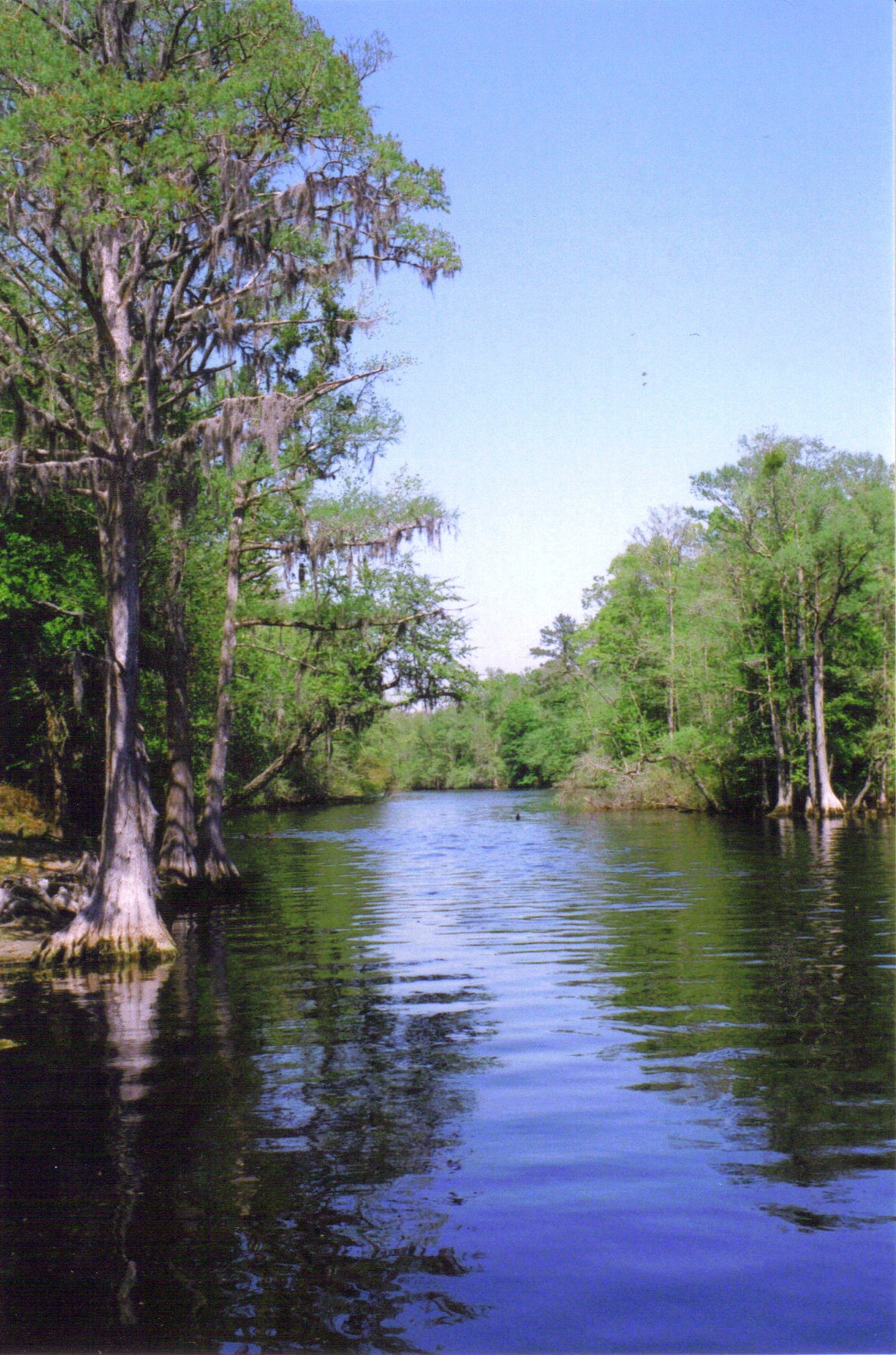
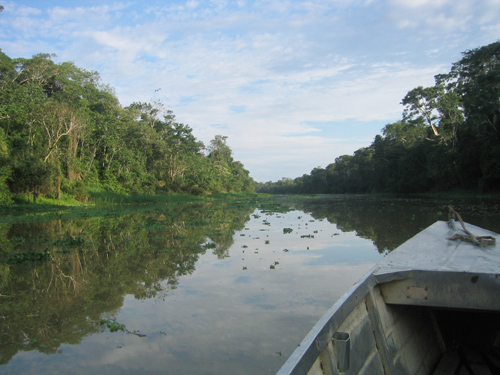
A blackwater river is a watercourse whose channel is stained dark by dissolved organic matter from decaying plant material. These rivers typically flow slowly through forested wetlands, bogs, or swampy landscapes, where leaf litter and peat release tannins and humic substances into the water. The result is a transparent but tea- or coffee-coloured stream distinct from sediment-laden or clearwater rivers in appearance and chemistry. Many blackwater systems are associated with peatlands, mangroves, and inundated forests.
Image gallery
10 Images


Characteristics
Key physical and chemical features of blackwater rivers include:
- Dark, amber to brown water caused by organic dyes such as tannins and humic acids leached from decaying vegetation; see general discussion of plant decomposition.
- Low concentrations of suspended mineral sediment, making the water unusually transparent despite its colour; compare with descriptions of wetland drainage.
- Acidic conditions and low nutrient availability relative to whitewater rivers, often reflected in low ionic strength compared with rainfall or mineral-rich rivers; related information at ionic concentrations studies.
- Slow flow through forested floodplains and swamp areas that prolong contact between water and organic matter, and encourage peat accumulation.
Distribution and examples
Blackwater rivers are widespread in tropical and subtropical regions where forested wetlands are common. Large areas of the Amazon Basin contain clear stretches of blackwater channels, and significant blackwater systems also occur in the southeastern United States and other humid forest regions. Not all dark-coloured rivers are true blackwater systems: some rivers appear dark because of suspended black soils or mud rather than dissolved organic matter; these are better described as mud- or sediment-dominated waterways rather than true blackwater channels.
Ecology and human uses
The chemical environment of blackwater rivers shapes distinctive biological communities. Plants and animals that thrive here are adapted to low nutrient levels, acidic pH and high dissolved organic carbon. Fish assemblages, aquatic invertebrates and specialized floodplain plants often differ markedly from those found in whitewater or clearwater rivers. Local human communities have long used blackwater rivers for transportation, subsistence fisheries and cultural practices. Scientific and recreational interest in these rivers is reflected in regional studies and guides (regional river guides).
History, classification and conservation
The tripartite distinction among black, clear and whitewater rivers in large basins was noted by 19th-century naturalists and has been refined by later ecologists; early classification work is associated with explorers such as Alfred Russel Wallace. Conservation concerns focus on threats that change hydrology or water chemistry: deforestation, drainage of wetlands, dam construction, pollution and climate-driven shifts in rainfall can reduce the extent or alter the character of blackwater systems. Protecting upstream forests and maintaining natural flood regimes are central to preserving the ecological integrity of these rivers (wetland conservation, water chemistry).
Researchers and managers use biological surveys, water chemistry monitoring and landscape-scale planning to identify and safeguard blackwater habitats. Further reading and resources about their geology, hydrology and species can be found through regional studies and summaries (habitat descriptions, wetland studies, decomposition processes, ionic analysis, historical classifications).
Questions and answers
Q: What is a blackwater river?
A: A blackwater river is a river with a slow-moving channel flowing through forested swamps or wetlands, and its dark colour is caused by the decaying vegetation.
Q: What causes the dark color of a blackwater river?
A: The dark color of a blackwater river is caused by the leaching of tannins into the water as vegetation decays.
Q: Where can one find most blackwater rivers?
A: Most blackwater rivers can be found in the Amazon Basin and the Southern United States.
Q: Are all dark rivers blackwater rivers?
A: No, not all dark rivers are blackwater rivers. Some rivers in temperate regions that drain or flow through areas of dark black soil are black due to the color of the soil.
Q: How do blackwater rivers differ from whitewater rivers in terms of nutrients?
A: Blackwater rivers are lower in nutrients than whitewater rivers.
Q: What are the ionic concentrations in blackwater rivers compared to rainwater?
A: Blackwater rivers have ionic concentrations higher than rainwater.
Q: Who first proposed the classification of Amazonian rivers into black, clear, and whitewater?
A: Alfred Russel Wallace first proposed the classification of Amazonian rivers into black, clear, and whitewater in 1853.
Related articles
Author
AlegsaOnline.com Blackwater river: origins, chemistry, ecology and conservation Leandro Alegsa
URL: https://en.alegsaonline.com/art/12034
Sources
- doi.org : 10.2307/2989823
- jstor.org : 2989823