
Red pine (Pinus resinosa)
Red pine (Pinus resinosa) is a North American conifer known for its reddish bark, paired needles, and importance for timber, reforestation, and wildlife habitat across northeastern forests.
Overview
The red pine, Pinus resinosa, is a medium- to large-sized conifer native to northeastern North America. It is valued for its straight form, durable wood, and ecological role in mixed and boreal forests. The species is often planted for timber, pulp, windbreaks and restoration projects because of its adaptability to poor, sandy soils and its relatively simple management requirements.
Image gallery
7 Images



Identification and characteristics
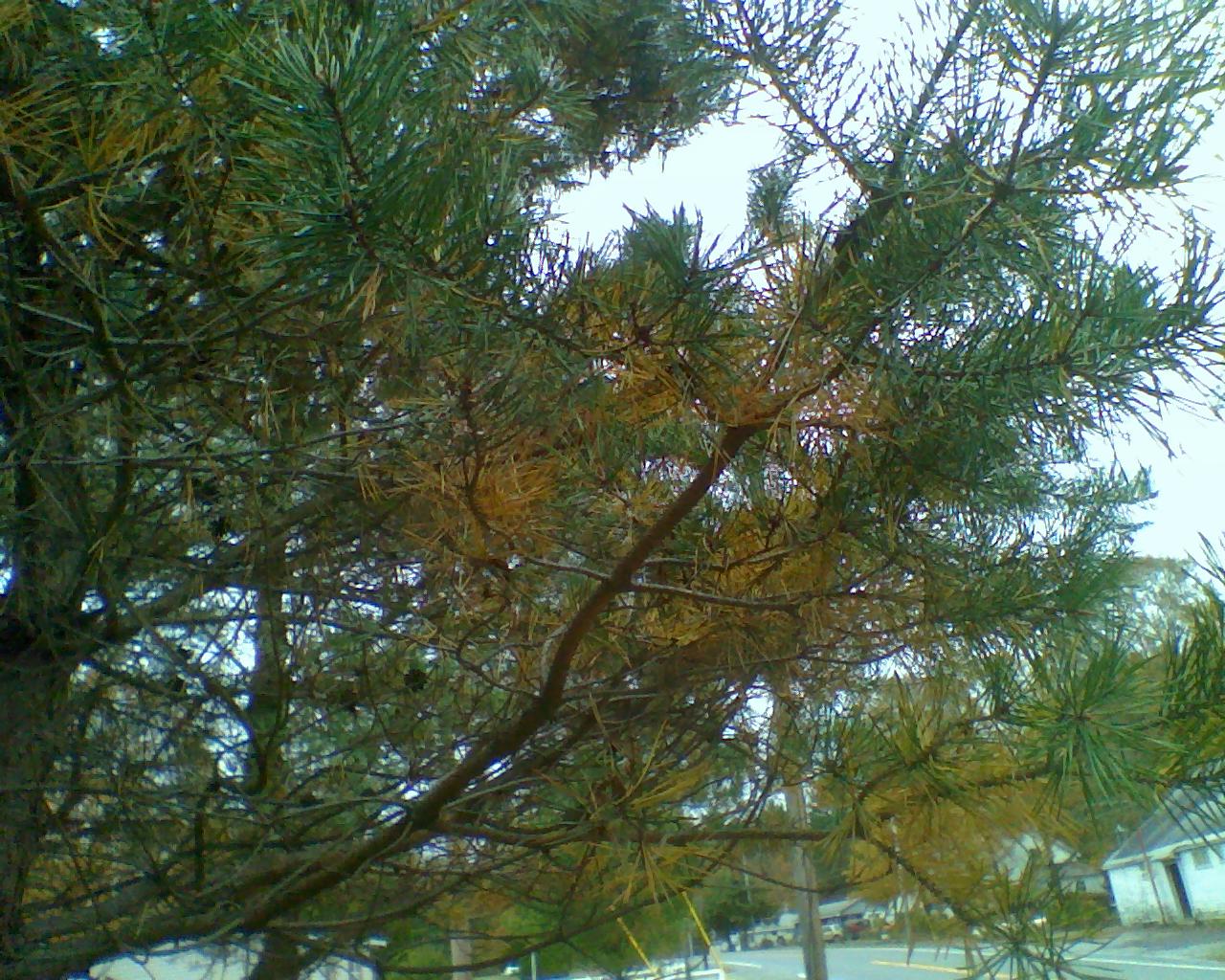
Red pine is recognizable by several features: slender needles that occur in pairs, a crown that can be conical in younger trees and more open with age, and distinctive reddish-brown bark that becomes scaly on older trunks. Cones are small to medium, typically ovoid, and the wood is moderately dense with a straight grain. Below are common diagnostic traits:
- Needles: two per fascicle, long and fairly stiff.
- Bark: reddish to orange on young trees, developing thick, scaly plates on mature trunks.
- Form: generally straight bole, often with a rounded or flat-topped crown in older individuals.
- Habitat: tolerates sandy, acidic soils and open, well-drained sites.
Range, history and development
Wild populations of red pine extend across parts of eastern Canada and the northeastern United States. Its natural range includes areas from the Atlantic provinces westward into parts of Manitoba and southward into the northern Midwest and some northeastern states. For maps and regional details see resources such as regional floras and forest guides (range accounts). Historically, forests of red pine were affected by logging, land conversion and fire suppression; since then, active planting and management have helped re-establish stands in many areas (forest management).
Ecology, uses and importance
Ecologically, red pine provides habitat and food for birds and mammals, and it contributes to soil stabilization on dry, sandy sites. It is used commercially for construction lumber and pulp, and it is a common choice for reforestation and ornamental planting. Wildlife benefit from red pine stands through shelter and seed resources. More information on utilization and ecosystem services can be found through practical guides and conservation pages (uses and benefits).
Cultivation and management
Red pine is often grown in plantations because it establishes readily on exposed sites and responds predictably to thinning and harvest regimes. Typical management goals include timber production, restoration of native forest cover, and creation of simple, fire-aware landscapes. Recommendations for planting, thinning, and pest management are available through forestry authorities and extension services (management guidance, silviculture notes).
Notable distinctions and facts
The common name "Norway pine" is used regionally in the Upper Midwest, though the species is not native to Norway and the name can cause confusion with European pines; authoritative summaries discuss this naming convention (common names). The red pine is also recognized at the state level in some places; for example, it is a state symbol in Minnesota (state tree reference, state forestry page). Distinguishing red pine from similar species—such as Scots pine or other native pines—relies on needle arrangement, bark color, and cone characteristics.
Understanding and managing red pine populations supports timber economies, wildlife habitat conservation, and the restoration of native forest landscapes where this hardy pine is suited to local soils and climate.
Questions and answers
Q: Where is the Red Pine native to?
A: The Red Pine is native to northeastern North America.
Q: What is the geographic range of the Red Pine?
A: The Red Pine grows in the area from Newfoundland west to southeast Manitoba, and south to northern Illinois and Pennsylvania, with a small outlying population in the Appalachian Mountains in West Virginia.
Q: What is the confusing name given to the Red Pine in the Upper Midwest of the United States?
A: In the Upper Midwest of the United States, the Red Pine is sometimes known by the confusing name Norway Pine even though it is not native to Norway.
Q: Which state in the United States has the Red Pine as its state tree?
A: The state tree of Minnesota is the Red Pine.
Q: Is the Red Pine a type of pine tree?
A: Yes, the Red Pine (Pinus resinosa) is a type of pine tree.
Q: How many states in the United States does the Red Pine grow in?
A: The Red Pine grows in multiple states, with a range from Newfoundland west to southeast Manitoba, and south to northern Illinois and Pennsylvania, as well as a small outlying population in West Virginia.
Q: Is the Red Pine found outside of North America?
A: The text does not mention if the Red Pine is found outside of North America, so it is unclear.
Related articles
Author
AlegsaOnline.com Red pine (Pinus resinosa) Leandro Alegsa
URL: https://en.alegsaonline.com/art/81685
Sources
- doi.org : 10.1139/x77-043
- doi.org : 10.1139/x86-198
- iucnredlist.org : Pinus resinosa