
Ranunculaceae — the buttercup family
Ranunculaceae, the buttercup or crowfoot family, is a diverse group of mostly temperate flowering plants valued in gardens and studied for their distinctive flowers, fruits, and often toxic compounds.
Overview
The Ranunculaceae, commonly called the buttercup or crowfoot family, is a widespread group of flowering plants known for showy blooms and a wide range of growth forms. Members occur worldwide but are particularly diverse in temperate regions. Familiar garden and wild genera include Ranunculus (buttercups), Anemone, Aconitum (aconite), and Clematis.
Image gallery
10 Images







Key characteristics
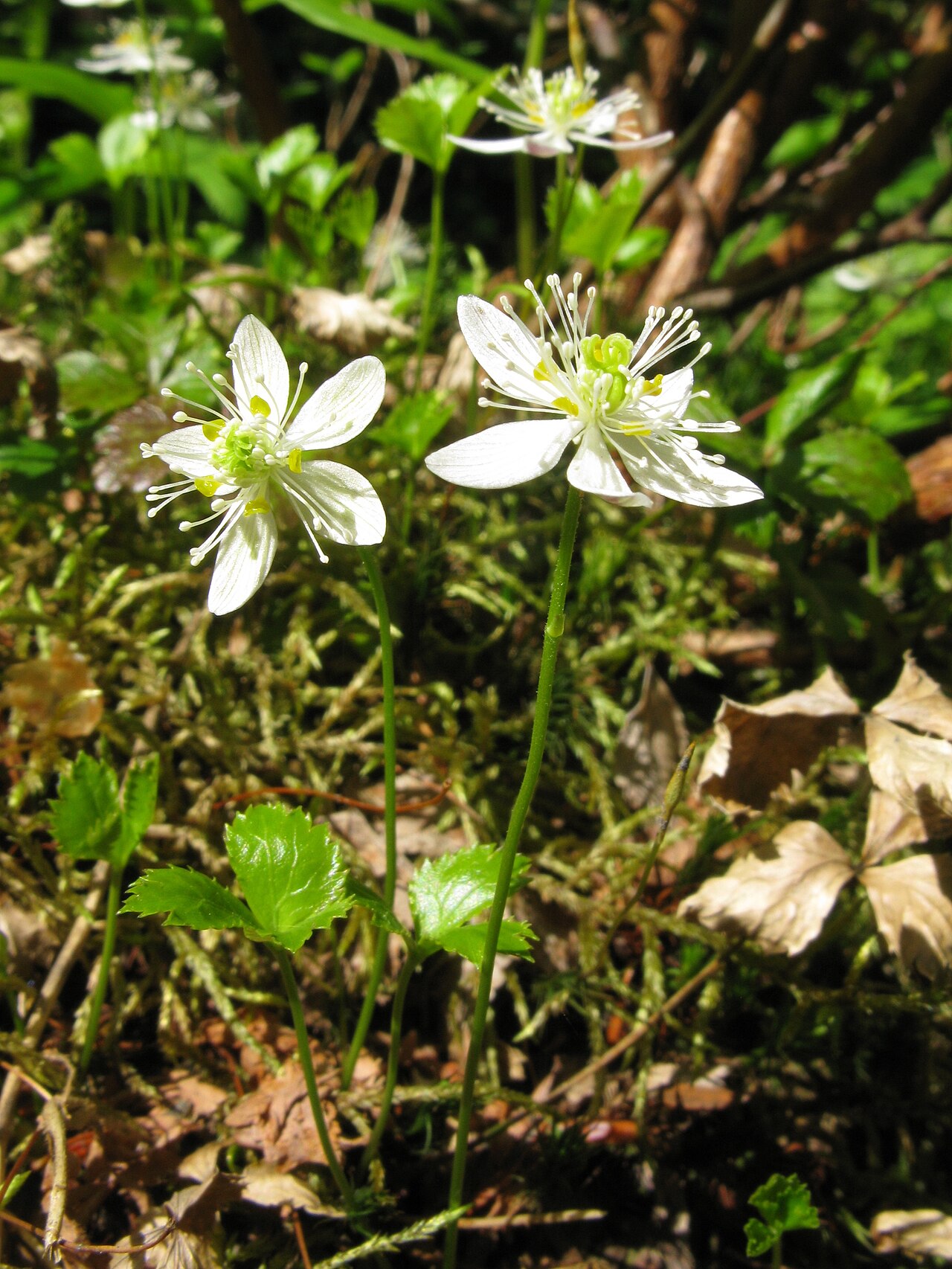
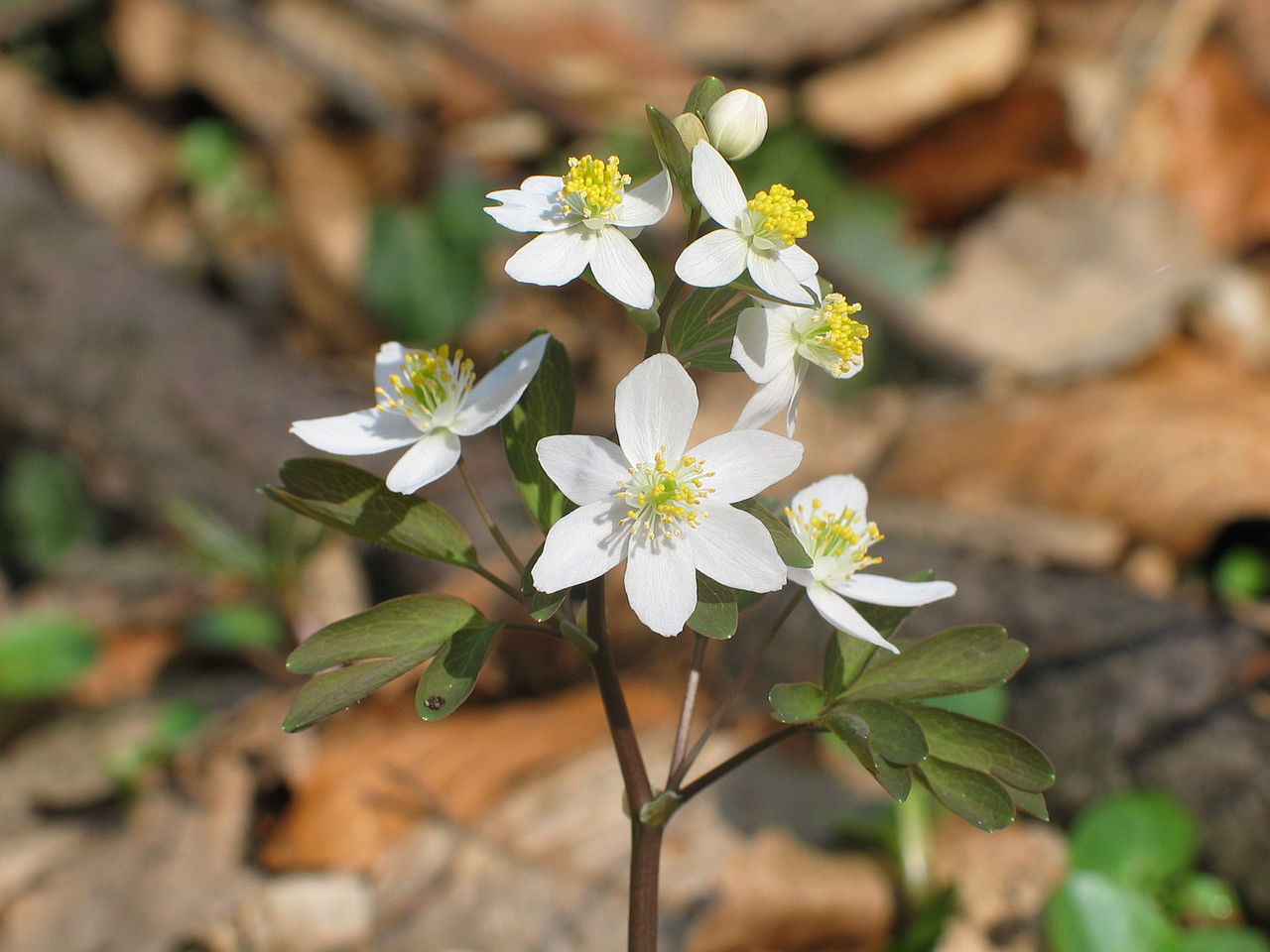
Plants in this family vary from herbaceous perennials to climbers and shrubs. Common structural and reproductive traits are listed below:
- Flowers often have separate (free) floral parts rather than fused petals or carpels.
- Many species show numerous stamens and multiple free carpels (an apocarpous gynoecium).
- Perianth parts may be differentiated into sepals and petals, with some genera having petal-like sepals.
- Fruit types include achenes, follicles or clusters of small dry fruits; some genera produce distinctive feathery achenes.
Uses, toxicity and ecology
Several ranunculaceous plants are important in horticulture for their flowers (buttercups, anemones, hellebores, clematis) and are cultivated as ornamentals and cut flowers. At the same time many contain biologically active alkaloids and related compounds; Aconitum is notorious for potent toxins that have historical uses as medicines and poisons. Ecologically, flowers range from generalized forms to highly specialized structures adapted to particular pollinators.
Diversity, classification and history
The family comprises a large number of species across many genera and is placed in the order Ranunculales. It is considered one of the early-diverging lineages of the eudicots, which has made it important in studies of flowering-plant evolution. Botanical descriptions and classification have evolved since early taxonomic work, with modern phylogenetic studies refining relationships within the group.
Notable genera and distinctions
Aside from the genera already mentioned, the family includes Delphinium, Helleborus and Aquilegia (columbines). Distinguishing Ranunculaceae from some superficially similar families often depends on floral structure—particularly the presence of free carpels and numerous separate stamens—and on fruit type.
Related articles
Author
AlegsaOnline.com Ranunculaceae — the buttercup family Leandro Alegsa
URL: https://en.alegsaonline.com/art/81174