
Ranunculales — an order of flowering plants
Ranunculales is a basal eudicot order that includes buttercups and related families; notable for diverse flower forms, many free floral parts, alkaloids, ornamental and medicinal species.
The Ranunculales are an order of flowering plants that form one of the early-diverging lineages of the eudicots. The group is best known for including the buttercup family, but it also comprises several other families with a wide range of growth forms from herbs to woody vines. Taxonomic treatments vary, but modern molecular studies have helped clarify relationships within the order; see the order overview at Ranunculales.
Image gallery
2 Images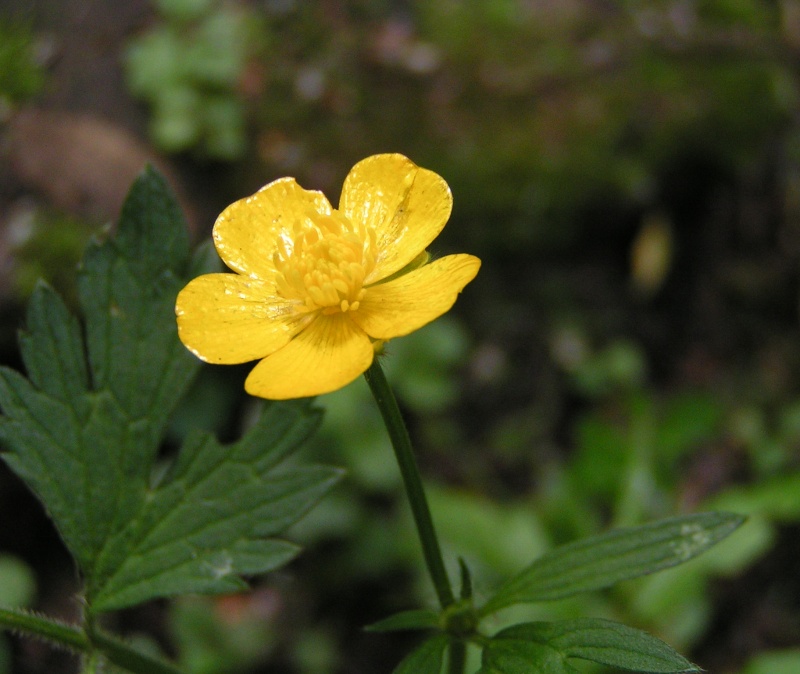
Characteristics
Members of Ranunculales commonly share a set of morphological features considered relatively "primitive" among eudicots: flowers often have numerous, free (unfused) stamens and carpels, petals may be absent or transformed into nectar-bearing structures, and leaves are frequently compound or lobed. Many species produce alkaloids and other specialized chemicals that can be toxic or pharmacologically active. Pollination is typically by insects, and fruit types vary from follicles to achenes or berries.
Major families and examples
The best-known family is the Ranunculaceae, the buttercup family (buttercup family), which contains garden plants such as Ranunculus (buttercups), Aquilegia (columbines), Delphinium (larkspurs) and Clematis. Other families commonly placed in the order include Berberidaceae (barberries), Menispermaceae (moonseeds), and Lardizabalaceae. Typical examples illustrate the order's diversity of habit and floral architecture.
History and evolution
Fossil and molecular evidence indicate that Ranunculales diverged early in the evolution of eudicots. The lineage shows a long history of diversification, with morphological plasticity that likely contributed to its spread across temperate and tropical regions. Phylogenetic research in the late 20th and early 21st centuries reshaped family boundaries and clarified relationships among genera.
Uses and significance
Species in the order have cultural, horticultural and medicinal importance. Many ranunculaceans are cultivated as ornamentals for their showy flowers, while members of other families yield alkaloids used in traditional remedies or as biochemical research leads. At the same time, toxicity is common and some species are poisonous if ingested or if their sap contacts skin.
Notable distinctions and conservation
Ranunculales are distinguished by their typically free floral parts and chemical diversity, which set them apart from more derived eudicot groups. Habitat loss, overcollection of wild species, and changing climates threaten some members; conservation efforts for rare genera and habitats help preserve the order's botanical diversity.
- Typical growth forms: herbs, shrubs, woody vines
- Key features: free carpels, numerous stamens, varied petal structure
- Human uses: ornamentals, traditional medicines, research compounds
Related articles
Author
AlegsaOnline.com Ranunculales — an order of flowering plants Leandro Alegsa
URL: https://en.alegsaonline.com/art/81175