
Rail transport: systems, history, components and modern roles
Comprehensive overview of rail transport: key components, types, historical development, operations, economic and environmental roles, safety and modern trends including electrification and digital signalling.
Overview
Rail transport is the movement of people and goods using guided wheeled vehicles that run on fixed rails. It commonly carries passengers and freight on purpose-built routes. The vehicles, frequently called trains, are part of a broader system that includes track, stations, signalling and maintenance facilities. Railways (often termed railroads in North America) combine high carrying capacity with relatively low rolling resistance, making them an energy-efficient form of land transport across many distances.
Image gallery
10 Images




Key components
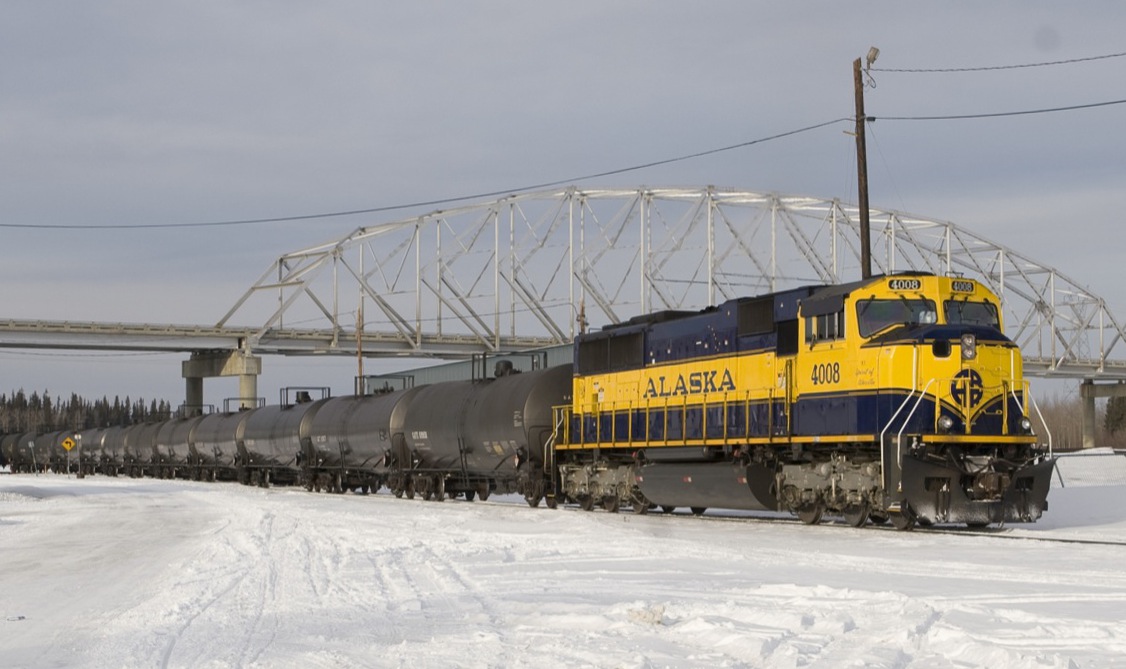
A railway system has several interdependent parts. Track comprises parallel steel rails fixed to sleepers and supported by ballast or concrete slabs. Rolling stock — the wheeled vehicles such as locomotives and carriages — run on wheelsets mounted in bogies. The profile of the wheels and the geometry of the rails guide movement and, together with maintenance practices, control wear and reduce friction. Infrastructure also includes yards, terminals, electrification equipment, and workshop facilities for inspections and repairs.
Types of rail services
- Mainline and intercity rail: long-distance passenger and freight corridors.
- Commuter and regional rail: high-frequency links between suburbs and urban centres.
- Urban transit: metros, trams and light rail designed for high-capacity city movement.
- Freight and heavy-haul: dedicated routes for bulk commodities, container traffic and specialized cargo.
Propulsion and energy
Trains are powered by diesel engines, electric traction supplied via overhead lines or third rails, or hybrid systems combining sources. Electrification is common on busy corridors because it enables higher performance and lower local emissions. Rail's relative efficiency often makes it preferable to road modes such as trucks on long or heavy flows, and it integrates with other elements of the transport system for intermodal logistics.
History and development
Rail transport became prominent during the Industrial Revolution, when steam locomotives and improved iron and steel rails allowed rapid expansion of networks for industry and passengers. Earlier wagonways and plateways evolved into modern systems through standardization of gauge and the introduction of heavier rails, signalling innovations and later electrification. Development patterns vary internationally, reflecting different economic and geographic needs.
Operations, safety and standards
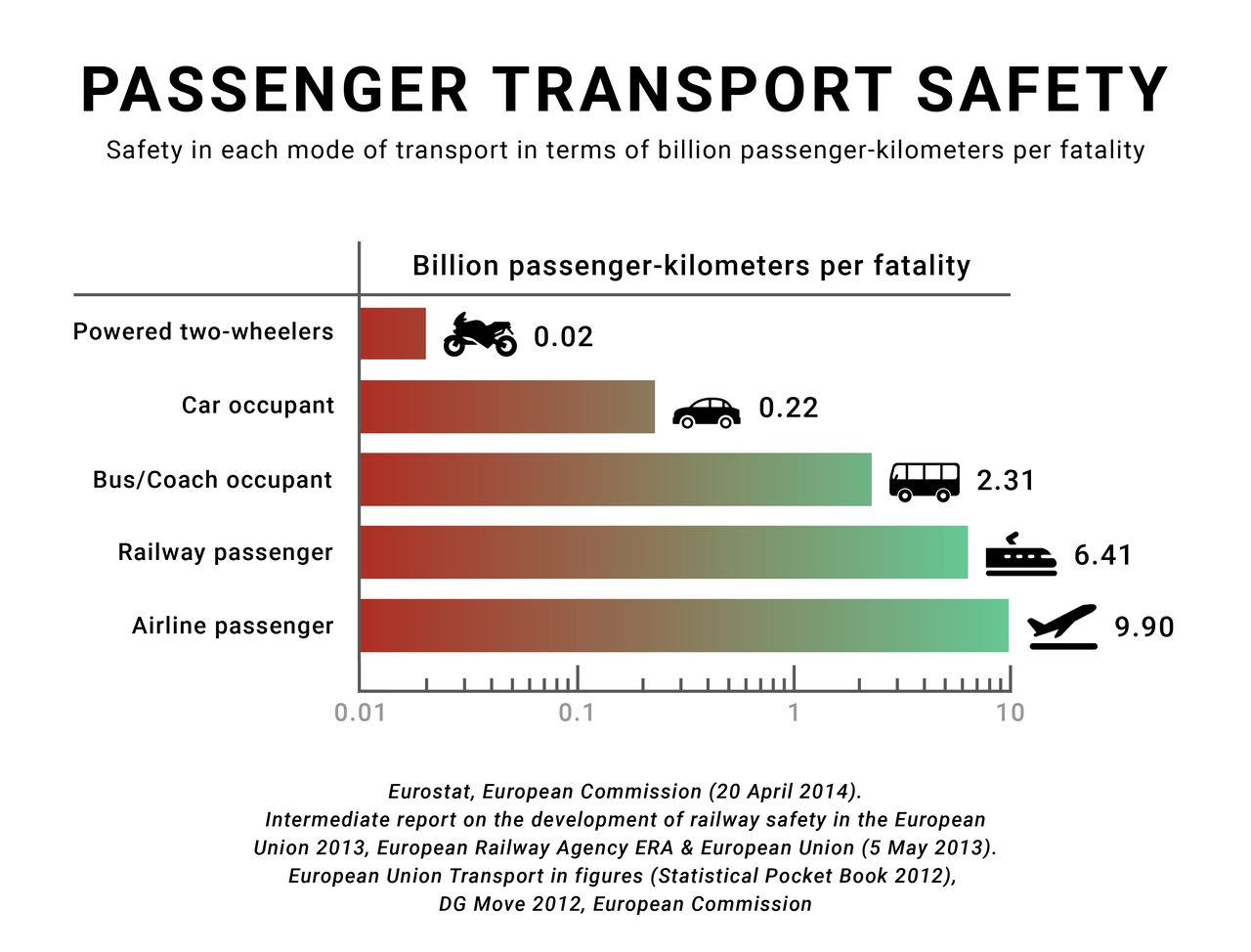
Rail operations rely on timetable planning, traffic control and signalling to maintain capacity and safety. Modern systems use centralized traffic control, automatic train protection and, increasingly, digital signalling to increase line capacity and reduce human error. Safety management covers track and vehicle maintenance, staff training and regulatory oversight; interoperable technical standards enable cross-border and networked services.
Economic and environmental role
Rail moves large volumes of bulk commodities, containerized freight and large numbers of passengers with comparatively low per-ton and per-passenger energy consumption. By shifting freight from roads to rail, countries can reduce highway congestion, lower greenhouse gas emissions and improve logistic efficiency. Investments in rail infrastructure often support regional development and trade.
Modern trends and future directions
Current trends include greater electrification, deployment of high-speed passenger services, digitalisation of signalling and control systems, and trials of automation. There is renewed attention to rail freight as a climate-policy instrument and to capacity improvements that allow smoother interchange between modes. Continued innovation in materials, energy sources and asset management aims to enhance reliability and sustainability.
For more detailed topics see discussions of vehicle design, track engineering, signalling technology and policy frameworks; these practical and regulatory aspects help define how rail systems carry passengers, move freight, and interact with other elements of modern transport.
Related articles
Author
AlegsaOnline.com Rail transport: systems, history, components and modern roles Leandro Alegsa
URL: https://en.alegsaonline.com/art/80870
Sources
- news.bbc.co.uk : "BBC NEWS - South Asia - Indian railways chug into the future"
- aar.org : Railroad Fuel Efficiency Sets New Record