
Truck (Lorry): types, design, uses, and historical notes
Motor vehicles designed for carrying goods; overview of types, main components, history of the name, common uses, and modern trends including regulations and fuel alternatives.
A truck (called a lorry in British English) is a motorized vehicle built primarily to carry cargo rather than passengers. In legal and technical contexts it is usually classified among motor vehicles and is regulated for weight, dimensions and driving licences. Trucks range from small pickup trucks used for light deliveries to very large articulated combinations used for long-haul freight.
Image gallery
10 Images


Key characteristics and parts
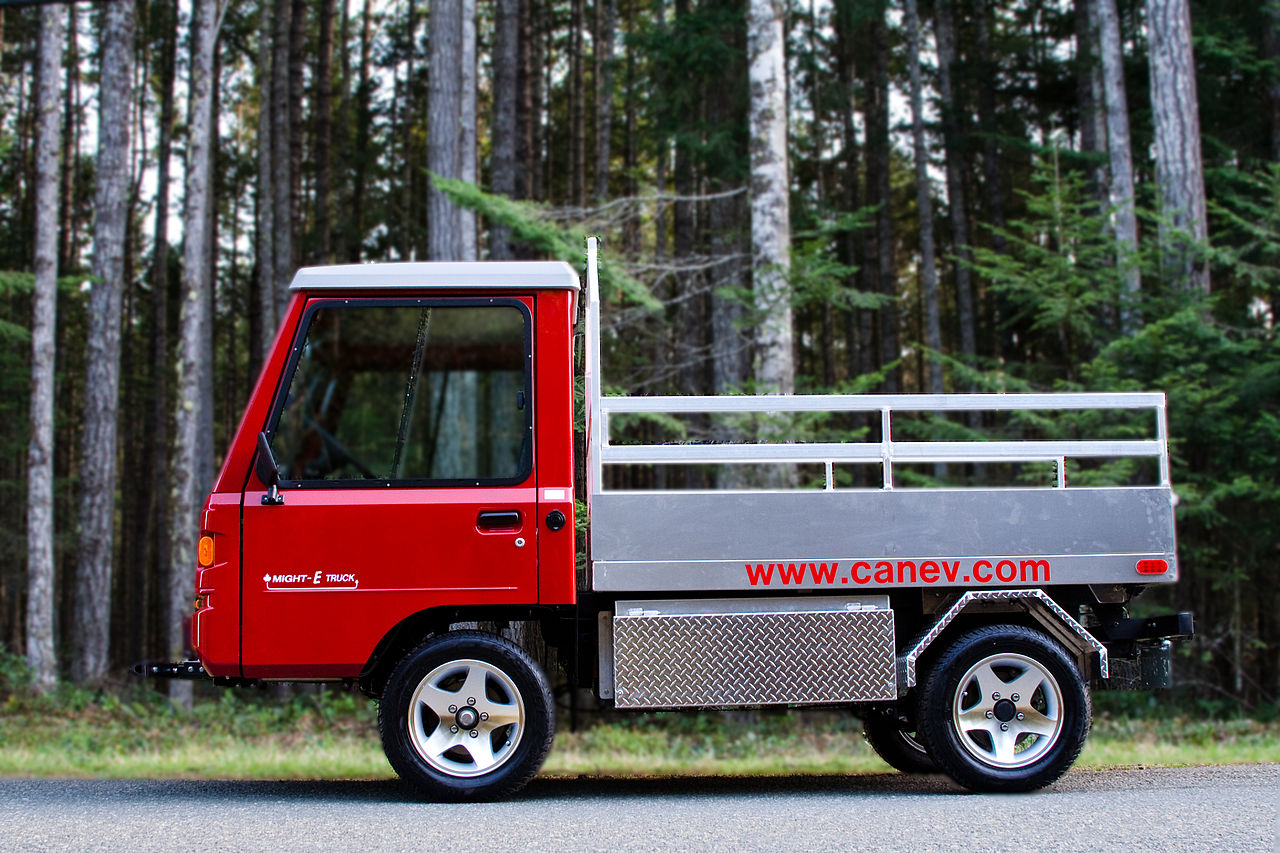
Trucks are distinguished by their chassis, cargo area, engine type, and axle configuration. Typical components include the cab (driver compartment), chassis frame, powertrain, cargo body or trailer, suspension, brakes and coupling devices. Common arrangements are rigid trucks (single frame) and tractor-trailer combinations (semi-trailers connected to a tractor unit).
Types and common variants
- Pickup trucks and light commercial vehicles for local deliveries and small loads.
- Box vans, refrigerated trucks and curtain-side bodies for protected cargo.
- Flatbeds, dump trucks and mixers for construction and bulk material handling.
- Articulated lorries or semis for long-distance freight hauling.
History and name
The modern truck evolved from late 19th- and early 20th-century motorized wagons that replaced horse-drawn carts. The English word "truck" is thought to trace back to the Greek term trochos (wheel), reflecting its association with wheeled transport. Different regions use various terms; for example, many English-speaking countries prefer "lorry" or other local names.
Uses, importance and distinctions
Trucks are central to supply chains and logistics: they move goods between factories, warehouses, ports and retail outlets. Specialized trucks serve construction, agriculture, waste collection, emergency services and the military. Distinctions include gross vehicle weight rating (light, medium, heavy), drive configuration, and whether the cargo area is enclosed or open.
Regulation, safety and modern trends
Because of their size and load, trucks are subject to licensing, size and weight limits, and safety standards. Diesel engines have long been common, but concerns about emissions and noise have driven adoption of alternative fuels and technologies such as compressed natural gas, hybrid drivetrains and fully electric or hydrogen fuel-cell trucks. Infrastructure, driver training and urban access rules continue to shape how trucks operate in cities and across borders. For further technical or regulatory details see additional resources and manufacturer guidance at certified sources.
Related articles
Author
AlegsaOnline.com Truck (Lorry): types, design, uses, and historical notes Leandro Alegsa
URL: https://en.alegsaonline.com/art/101777