
Railway brake systems: function, types and history
Overview of railway braking systems: how they work, main types (air, vacuum, tread, disc, dynamic), key components, historical development and operational importance.
Overview
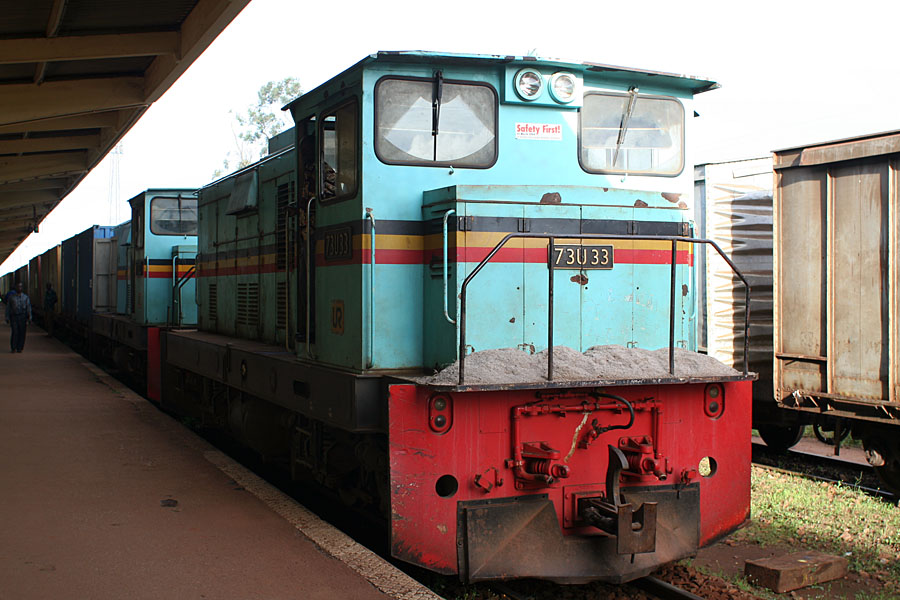
Railway brakes are the systems fitted to locomotives and rolling stock that slow, stop and hold trains. Their primary purposes are to decelerate in service, to provide controlled speed on downgrades and to secure vehicles when standing. Modern railway braking is a mix of mechanical, pneumatic and electrical technologies designed for reliability and safety.
Image gallery
7 Images



Major types and how they work
Several families of brake systems are in common use. Compressed-air brakes (often called Westinghouse air brakes) use a continuous brake pipe and reservoirs; a change in pipe pressure operates brake cylinders. Vacuum brakes produce a pressure differential by creating and releasing vacuum to apply or release brake blocks. Dynamic braking uses traction motors as generators: electrical energy is converted to heat or returned to the network, providing retarding force without direct friction. Mechanical options include tread brakes (brake blocks that act on wheel treads) and disc brakes (pads acting on discs) found increasingly on modern vehicles.
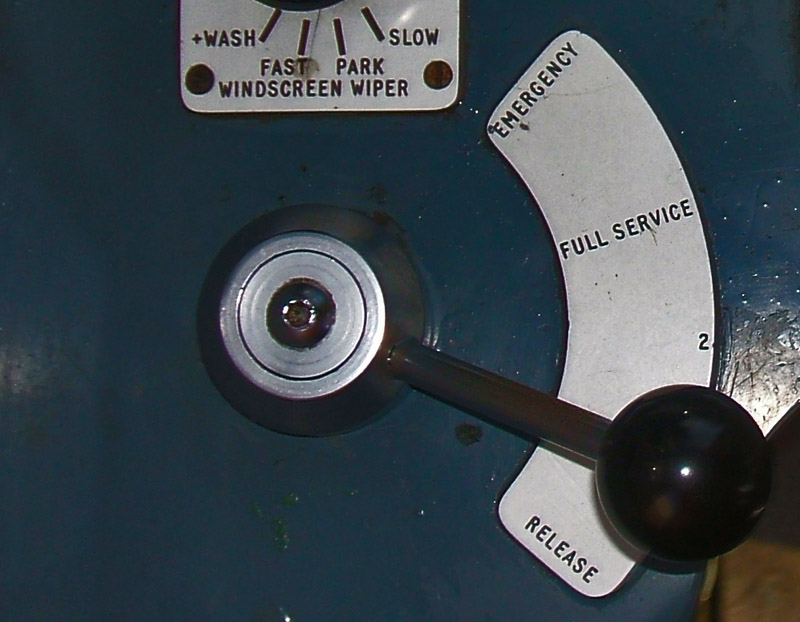
Key components common to many systems include compressors or vacuum pumps, main reservoirs, brake pipes or conduits, brake cylinders, rigging that transmits cylinder force to blocks or pads, and control valves. Locomotives also carry independent or straight-air brakes and devices for parking or emergency use.
History and development
The development of continuous, train-wide braking in the 19th century transformed rail safety and operations. Inventors and engineers worked to make brakes automatic and fail-safe: designs where loss of control pressure causes brakes to apply so that a disconnected train does not run uncontrolled. Over time, pneumatic systems were complemented by electrical and electronic controls, and by regenerative methods on electric and diesel-electric traction.
Uses, operational practice and safety
Brakes are used during normal service to control speed and for stopping, on gradients to prevent runaway, and for securing vehicles when parked. Train handling requires coordination between a locomotive's independent brake and the train's automatic brake. Regular inspection, maintenance of contact surfaces (blocks, pads or discs) and testing of pneumatic or electrical circuits are central to safe operation. On mainline passenger services, graduated-release controls and blended braking (combining friction and dynamic braking) improve ride comfort and reduce wear.
Distinctions and notable points
- Fail-safe principle: many train brakes are designed so that loss of pipe pressure applies the brakes rather than releasing them.
- Dynamic and regenerative braking reduce mechanical wear but depend on the vehicle's power systems.
- Choice between tread and disc brakes balances factors such as wheel life, braking performance and maintenance.
For technical reference and further reading on system design and standards, see brake system summaries, general material on rolling stock operations, safety and testing guidance procedures, and supplier or regulatory sources industry references.
Related articles
Author
AlegsaOnline.com Railway brake systems: function, types and history Leandro Alegsa
URL: https://en.alegsaonline.com/art/80880