
Railfan (rail enthusiast): hobbies, history, and community
Railfans are enthusiasts of railways and trains who pursue photography, modeling, history, collections and community activities; they share knowledge through clubs, museums, magazines and events.
Overview
A railfan is a person with a strong interest in railways and trains. This interest can range from casual enjoyment of train travel to dedicated study, organized hobby activities and preservation work. Many railfans combine observation, photography and research to document equipment, infrastructure and operations. Some pursue the hobby as individuals, others through local or national clubs and societies.
Image gallery
8 Images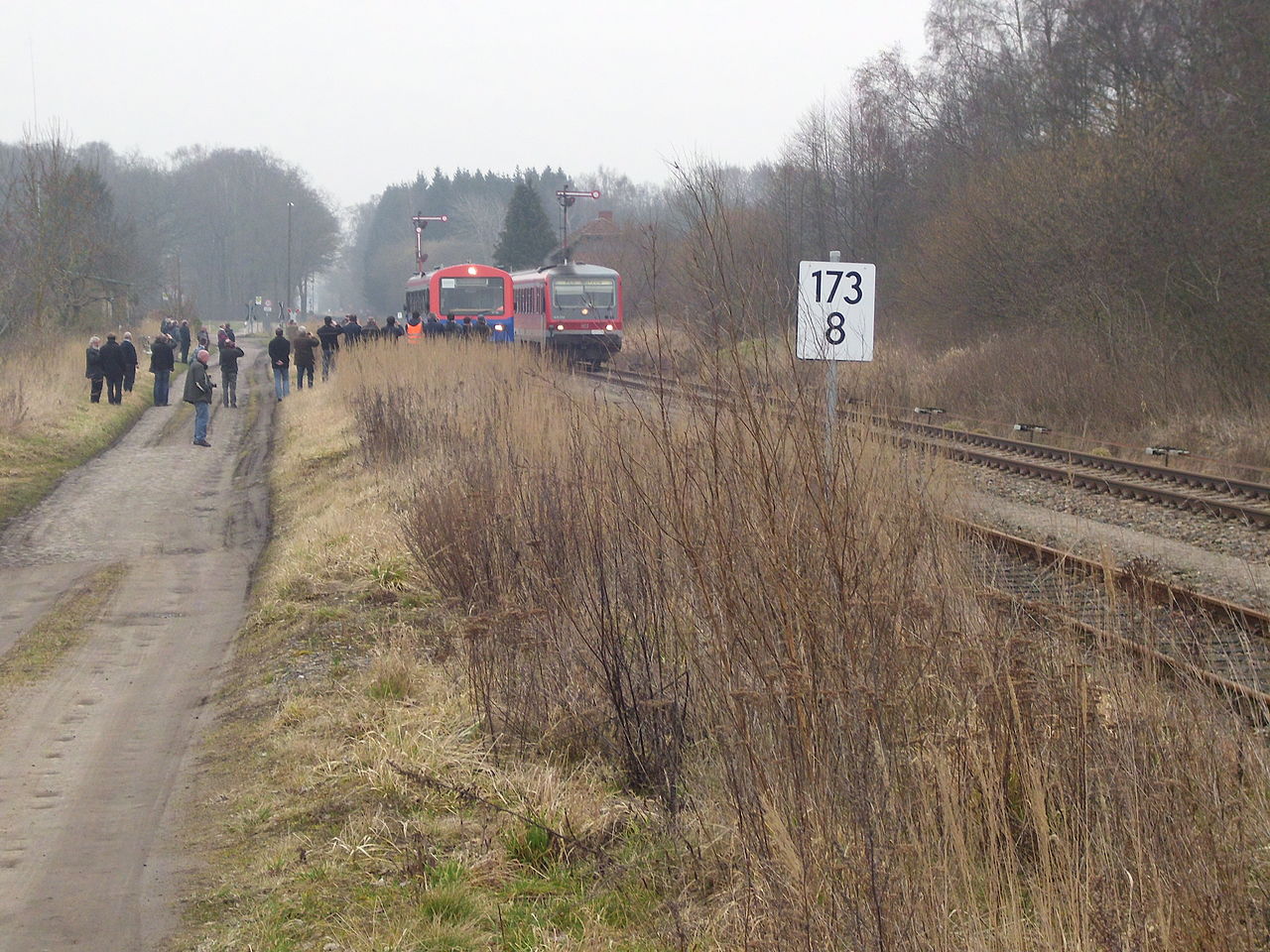




Common pursuits and activities
Railfan activities are varied and often hands-on. Typical pursuits include:
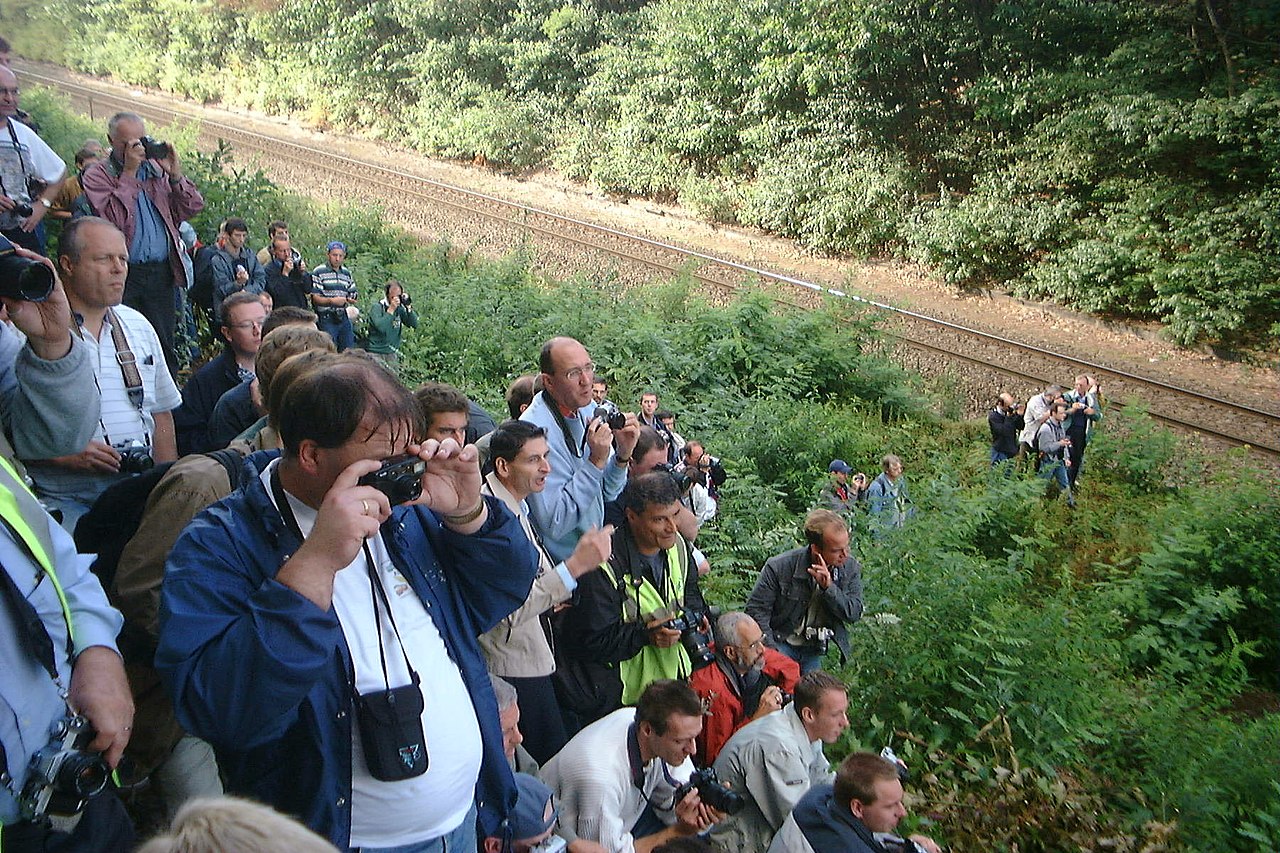
- Watching and photographing trains and railway scenes, often at specific vantage points or during special movements.
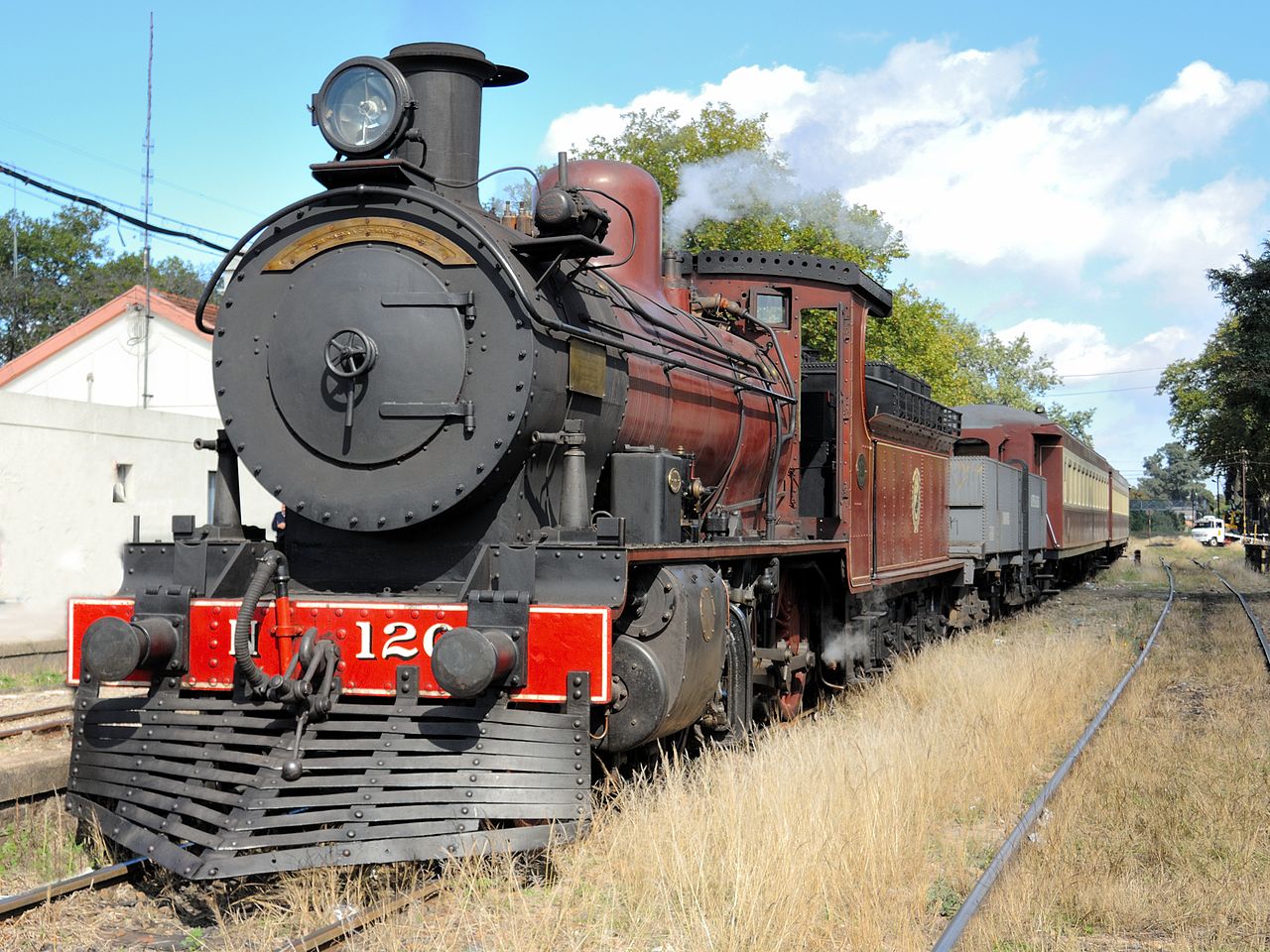
- Riding trains for enjoyment, route knowledge or to experience different types of rolling stock and motive power.
- Building and operating model railways, which range from simple layouts to large, detailed recreations of real routes and eras.
- Collecting timetables, tickets, tools, signage and other railway ephemera.
- Researching the history of rail transport and infrastructure, including design, companies and technological development.
Technical interests and equipment
Some railfans take a technical approach. They study locomotive classes, signaling systems and track layouts and may use specialized gear while observing trains. Portable photography equipment, notebooks, and maps are common; others use a radio and a scanner to follow operational communications when legal and permitted. Modelers rely on tools and electrical knowledge to build realistic layouts and working models.
Community, clubs and published resources
Railfans often form clubs, attend open days at museums and heritage railways, and organize excursions. Printed and digital publications support the hobby: dedicated magazines and specialist books provide news, historical articles, reviews of models and tips for photography and preservation. Museums and heritage lines also act as focal points for community activity, offering volunteering and restoration opportunities.
History and cultural significance
The railfan pastime emerged alongside railways themselves, evolving from informal interest in early passenger and freight services into a broad subculture. Enthusiasts played a role in preserving retired locomotives and carriages, helping to found museums and heritage railways. Railfan documentation—photographs, timetables and oral histories—has become a useful source for researchers studying industrial, social and transportation history.
Etiquette, safety and legal issues
Responsible railfanning emphasizes safety, respect for private property and compliance with railway regulations. Observers should avoid trespassing on railway property, follow local rules at stations and preserves, and be mindful of operational safety. Many groups promote best practices for photographing and recording trains while minimizing disruption to workers and passengers.
Overall, railfanning is a diverse hobby that combines technical interest, historical study and community involvement. Whether through model-building, photography, volunteering at a museum, or collecting artifacts, enthusiasts contribute to the appreciation and preservation of railway heritage while sharing knowledge with a wider public.
Related articles
Author
AlegsaOnline.com Railfan (rail enthusiast): hobbies, history, and community Leandro Alegsa
URL: https://en.alegsaonline.com/art/80874