
Rafik Hariri
Lebanese businessman and politician (1944–2005) who served as prime minister, led postwar reconstruction of Beirut, and whose 2005 assassination triggered the Cedar Revolution and prolonged investigations.
Overview
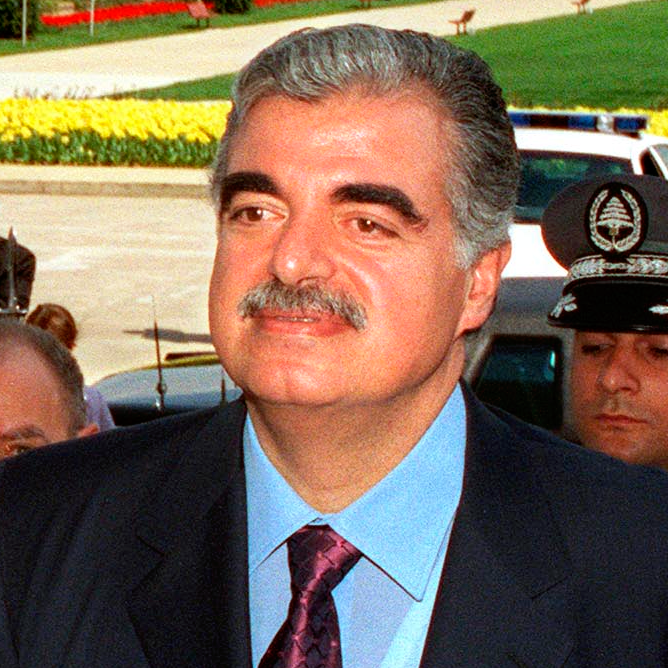
Rafik Baha ad-Din Hariri (Arabic: رفيق بهاءالدين الحريري) (1 November 1944 – 14 February 2005) was a Lebanese businessman, philanthropist and political leader. He rose to wealth through construction and contracting in the Gulf, founded major companies including the Saudi construction firm often associated with his name, and returned to Lebanon after the civil war to play a leading role in the country's political and economic reconstruction. Hariri combined private entrepreneurship with high public visibility and became a polarizing national figure.
Image gallery
10 Images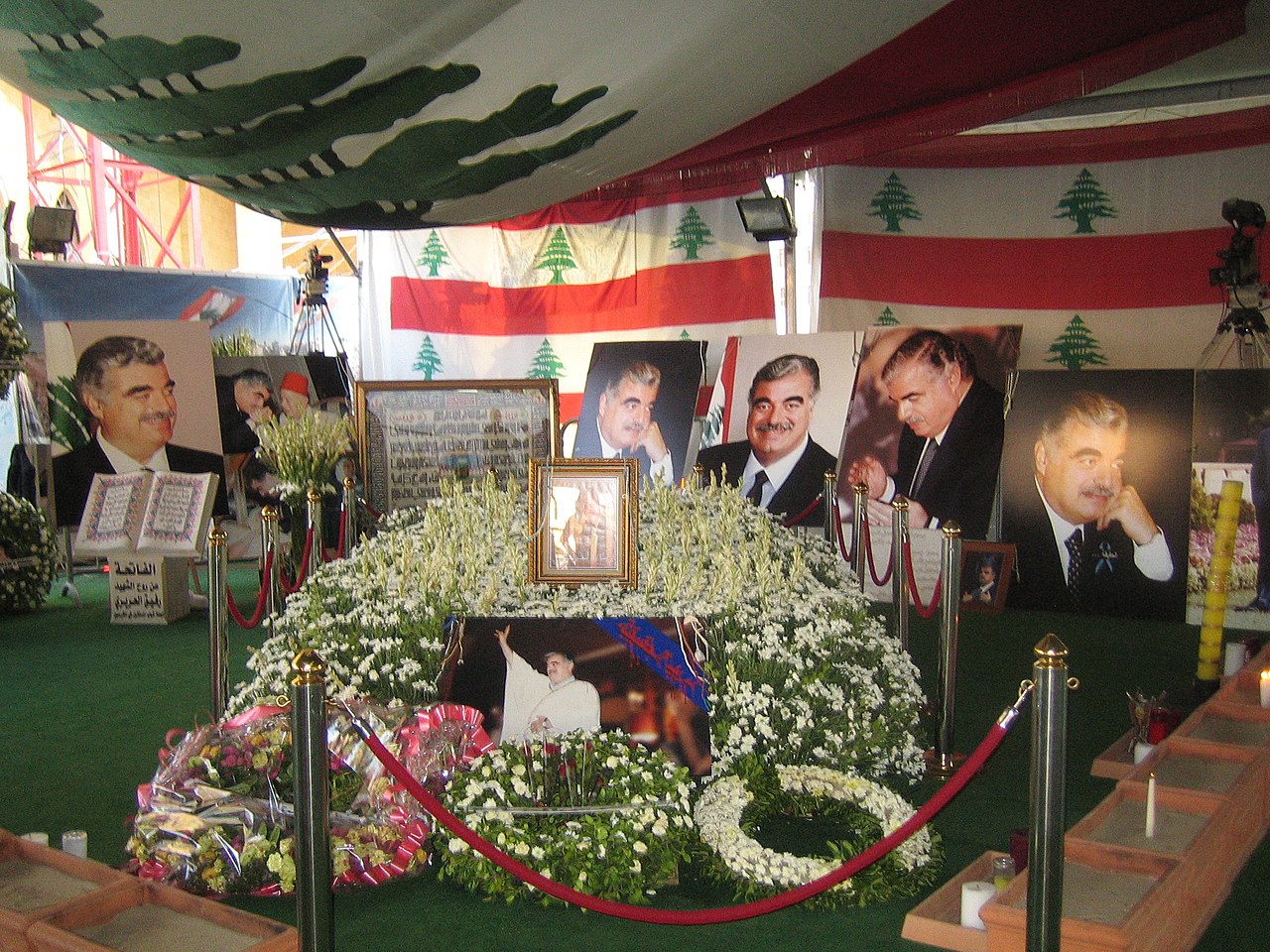




Early life and business career
Hariri was born in southern Lebanon and built his early career in the Arab Gulf, where he won large construction contracts and expanded into diverse commercial interests. His business activities made him one of the most prominent Lebanese entrepreneurs of his generation. He also engaged in philanthropic projects and patronage of education and public works, which shaped his public image at home and abroad.
Political career and governance
Hariri entered Lebanese national politics after the end of the civil war. He served as Prime Minister of Lebanon from 1992 to 1998 and returned to the office in 2000, resigning in October 2004. His governments emphasized economic stabilization, fiscal policies to attract foreign investment, debt management and large-scale infrastructure and urban renewal projects. At the same time, his tenure was marked by contentious relations with rivals, debates over the pace and form of reconstruction and frequent accusations of mixing business and politics.
Role in reconstruction of Beirut
Hariri is widely associated with the reconstruction of central Beirut following the Lebanese civil war. He supported and financed major redevelopment of the central district, encouraging private investment and modern commercial development. These projects transformed parts of the capital but were controversial for their impact on historic neighborhoods, property restitution and the balance between heritage preservation and new development.
Assassination and investigation
On 14 February 2005 Hariri was killed in a large explosion in Beirut when a powerful device detonated near his convoy as it passed the St. George Hotel. Twenty-one other people were also killed and many more injured. Reports at the time described a vehicle-borne explosive and extensive damage to the scene. The killing provoked mass demonstrations across Lebanon and prompted international demands for a full inquiry.
The United Nations coordinated an independent investigation and a series of international investigative efforts followed. Investigators, including teams led by UN-appointed officials and prosecutors such as Serge Brammertz, collected forensic and witness evidence and pursued complex lines of inquiry. The case was later taken up by a UN-backed judicial mechanism, the Special Tribunal for Lebanon, which issued indictments in the years that followed and conducted trials that attracted international attention.
Aftermath and political consequences
Hariri's assassination triggered widespread protests known as the Cedar Revolution, which mobilized diverse political groups and civil society and contributed to the withdrawal of Syrian military forces from Lebanon in 2005. The event reshaped Lebanese politics, strengthening some factions and widening divisions among others. Hariri's son, Saad Hariri, later emerged as a leading political figure and served as prime minister in subsequent years, continuing the family's political prominence.
Tribunal, verdicts and legacy
The Special Tribunal for Lebanon worked to establish responsibility for the attack; it issued formal indictments in 2011 and pursued prosecutions over the following decade. Proceedings included trials in absentia for some accused and were both legally significant and politically contentious within Lebanon and the region. In 2020, the tribunal announced a verdict that convicted one defendant in absentia while other accused were acquitted, a result that left many questions unresolved for victims' families and for Lebanese public opinion.
Controversy and public debate
Hariri's career generated strong support from those who credited him with rebuilding much of Beirut's commercial life and attracting investment, and sharp criticism from those who accused him of concentrating economic power, privileging private development and failing to address questions of social equity and heritage protection. The circumstances of his death intensified debates about foreign influence in Lebanon; at various times public discourse and investigators examined the possible roles of neighboring states and political groups, and observers frequently referenced the government of Syria and international institutions such as the United Nations in connection with inquiries.
Notable facts
- Hariri served as Prime Minister in the 1990s and again in the early 2000s; his administrations focused on economic reconstruction and private investment (Prime Minister).
- The assassination used a large explosive device reported in contemporary accounts as involving high explosives such as TNT and was described as a blast from a parked van near the convoy.
- The killing occurred in central Beirut and prompted the nationwide Cedar Revolution and sustained international investigations.
- Hariri's political life and the civil conflict that preceded his return to Lebanon remain important context for understanding his policies and controversies (civil war).
For readers seeking more detail, primary documents, tribunal records and contemporary reporting provide extensive material on Hariri's business career, government policies, the reconstruction of Beirut and the long-running legal processes that followed his assassination. Arabic-language sources often render his name as shown above and reflect the wide interest in his life across Lebanon and the region (Arabic name).
Related links: Arabic name | Prime Minister | civil war | TNT | van | Beirut | United Nations | Syria
Related articles
Author
AlegsaOnline.com Rafik Hariri Leandro Alegsa
URL: https://en.alegsaonline.com/art/80827
Sources
- washtimes.com : "www.washtimes.com"
- news.un.org : "UN probe into murder of former Lebanese leader nears sensitive stage – inquiry chief"