
Car bomb
An explosive device concealed in or attached to a vehicle, used to destroy property or cause casualties; overview of design, methods, history, effects, and countermeasures.
A car bomb is an explosive device concealed in or attached to a motor vehicle and intended to detonate in a populated area, at a checkpoint, or against a specific target. Such weapons have been used in criminal attacks, insurgencies and wars as well as by extremist groups. For a concise definition see definition. The vehicle serves both as camouflage and as a delivery platform, allowing the device to be moved close to people or infrastructure.
Image gallery
6 Images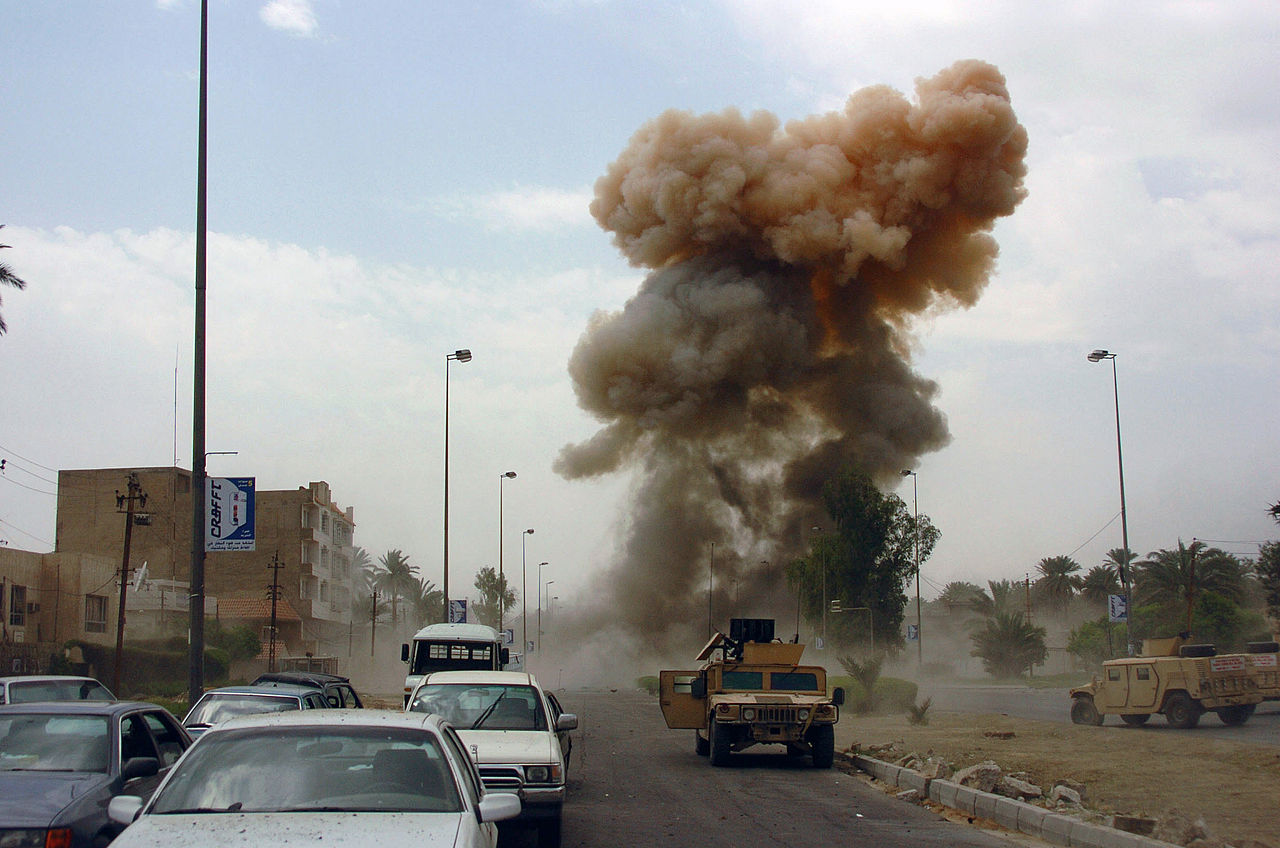


Characteristics and components
Car bombs vary from simple improvised charges to sophisticated assemblies. Common elements include:
- Explosive charge: the principal energetic material that creates the blast.
- Container and concealment: the vehicle structure hides the device and may shape the blast.
- Initiation system: triggers such as timers, detonators, command wires or remote triggers.
- Enhancement materials: metal fragments, ball bearings or shrapnel to increase lethality.
- Power and wiring: batteries and circuits to maintain readiness and effect controlled detonation.
Delivery methods and targeting
Vehicles may be driven to a target, parked and abandoned, or used as suicide bombs. Triggers can be manual, remote, or automatic. Vehicles used for this purpose range from small cars to vans and trucks; the choice affects blast power and mobility. Attackers exploit traffic patterns, crowded public spaces, or critical infrastructure to maximize damage. The use of a vehicle as concealment is described in more detail at vehicle concealment and the technical aspects of detonation are discussed under detonation methods.
History and notable use
Car bombs have appeared in many conflicts since the 20th century, evolving with available explosives and tactics. They have been employed by insurgent movements, terrorist organizations and organized crime to intimidate, disrupt and inflict casualties. While some groups have relied on these devices for symbolic high-profile attacks, others use them as tools of guerrilla warfare or criminal extortion. Analysts and historical summaries often link particular campaigns or eras with intensive vehicle-borne attacks; for context see reports on perpetrators at perpetrators.
Effects and casualties
The destructive effects combine blast overpressure, thermal energy and fragmentation. Fires commonly follow detonation when fuel ignites, compounding injuries and structural damage; authoritative discussions of fire consequences are available at fire effects. Much of the immediate harm comes from metal fragments and debris propelled by the explosion; research into wounding patterns and mitigation often focuses on shrapnel behavior, see fragmentation effects.
Prevention, detection and response
Mitigation involves layered measures: intelligence and information sharing, vehicle checkpoints, public awareness, physical barriers that deny vehicle access to sensitive areas, and specialized detection equipment. Law enforcement and emergency services train for rapid scene control, forensic examination and casualty care. Legal, humanitarian and ethical considerations shape responses to the threat, including efforts to reduce civilian harm while preserving public mobility. For technical and policy resources consult definitions and standards and material on investigation methods.
Distinctions: A car bomb is one form of a vehicle-borne improvised explosive device (VBIED); not all vehicle attacks use explosives (for example vehicle-ramming incidents). Understanding terminology helps differentiate tactics, intent and applicable countermeasures.
Tags
Related articles
Author
AlegsaOnline.com Car bomb Leandro Alegsa
URL: https://en.alegsaonline.com/art/16829