
Ragheb Harb — Lebanese Shia cleric and resistance leader
Ragheb Harb (1952–1984) was a Lebanese Shia religious leader who organized local resistance in southern Lebanon against Israel’s occupation and whose assassination helped galvanize the movement that became Hezbollah.
Overview
Ragheb Harb (1952–1984) was a prominent Lebanese Shia cleric and community leader known for mobilizing opposition to the Israeli occupation of southern Lebanon following the 1982 invasion. He worked at the grassroots level in Tyre and surrounding areas, combining religious authority with social and political activism. Harb is frequently cited as an influential precursor to the formation of the organization later known as Hezbollah.
Image gallery
1 Image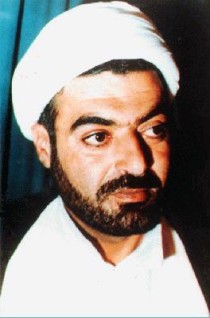
Life and activism
Born in southern Lebanon, Harb rose to local prominence by providing religious guidance, social services, and political organization in towns and refugee camps affected by the occupation. He emphasized resistance to foreign military presence and supported efforts to defend Shia communities. Harb’s activities blended pastoral duties with organizing demonstrations and coordinating relief and protection for civilians under occupation.
Assassination and aftermath
On 16 February 1984 Ragheb Harb was assassinated. The killing is widely attributed to Israeli operatives or their allies, though accounts and attributions vary. His death provoked widespread mourning and anger among Lebanese Shia, accelerating recruitment into armed resistance groups and contributing to a shift from scattered local opposition toward more organized, politically oriented movements.
Legacy and significance
Harb is remembered by supporters as a martyr whose leadership helped mobilize Shia political and militant activism in the 1980s. Historians and observers view him as one of several clerical and community figures whose networks, ideas, and followers played a formative role in the emergence of organized resistance in southern Lebanon. His legacy is reflected in commemorations, local memory, and the continued study of how religious leadership shaped popular responses to occupation.
- Key themes: grassroots religious leadership, anti‑occupation resistance, martyrdom in local memory.
- Context: Israeli invasion of Lebanon (1982) and the subsequent occupation of southern regions.
Related articles
Author
AlegsaOnline.com Ragheb Harb — Lebanese Shia cleric and resistance leader Leandro Alegsa
URL: https://en.alegsaonline.com/art/80842
Sources
- wikiresist.com : wikiresist.com