
Radha: Hindu goddess of love and devotion
Radha is a central figure in devotional Hinduism, celebrated as Krishna's beloved, a symbol of pure bhakti, and an influential presence in literature, art, and ritual across several Vaishnava traditions.
Overview
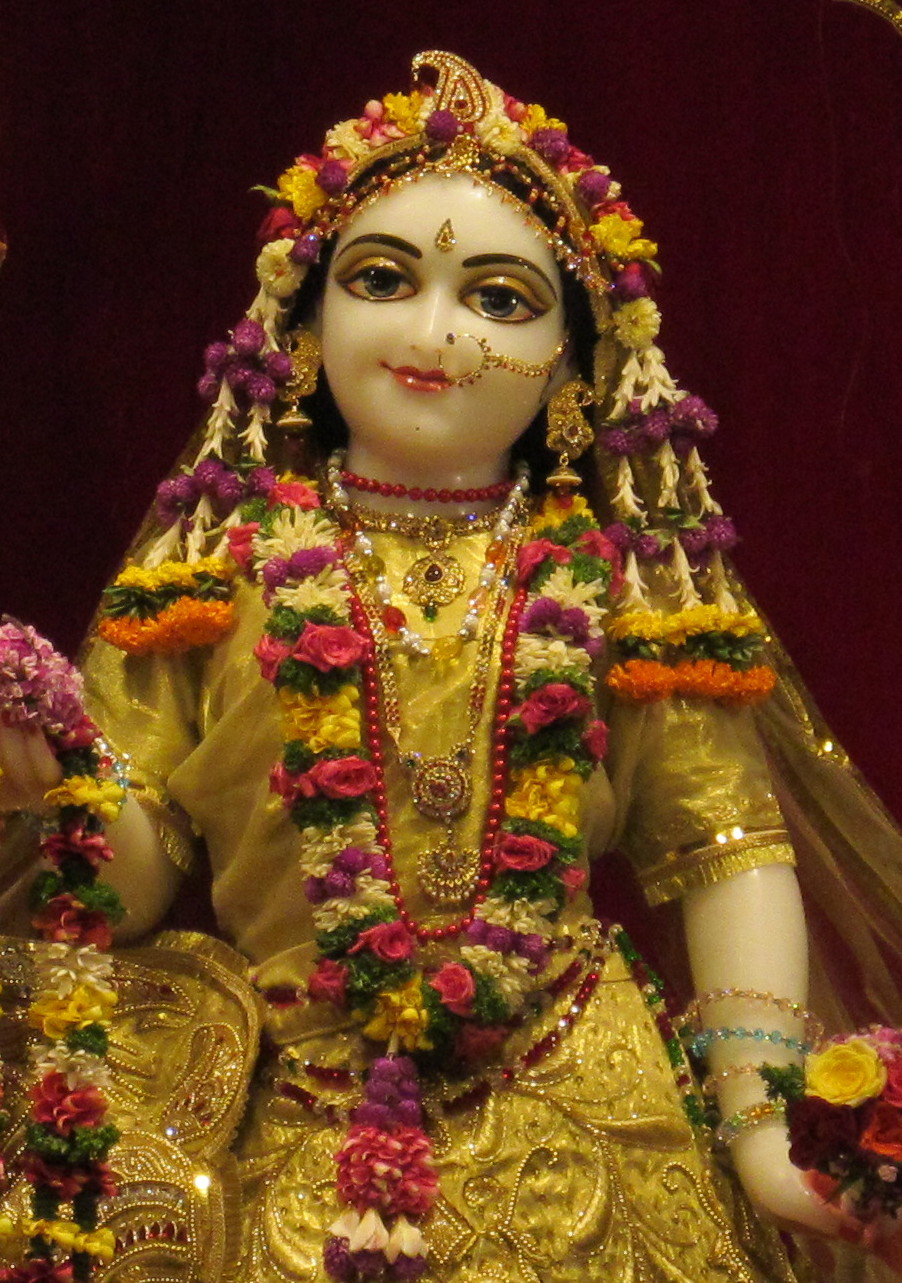
Radha is a prominent figure in Hindu devotional tradition, commonly portrayed as the beloved and chief consort of Krishna. She personifies intense love, longing and selfless devotion (bhakti) to the divine. In many devotional schools Radha is treated not merely as a romantic partner but as the supreme devotee and an embodiment of the divine feminine energy that attracts and complements Krishna.
Image gallery
10 Images




Identity and theological role
Within several strands of Vaishnavism Radha is regarded as an avatar or manifestation of Lakshmi and is identified with the inner potency or hladini shakti—the aspect of divine energy that experiences bliss in the presence of the supreme. Devotees and theologians variously describe her as a goddess, a metaphoric representation of the human soul, and an essential counterpart to the godhead. Scholarly and devotional accounts emphasize her role as both personal deity and symbol of the ideal devotee.
Historical development
The figure of Radha became prominent in medieval bhakti literature and poetry, which expanded and reinterpreted earlier Krishna narratives. Texts such as the lyrical compositions of the bhakti poets and classical works like the Gita Govinda popularized episodes of Radha and Krishna’s love. Over centuries, interpretations and emphases differed: some traditions center Radha as supreme, while others focus on her relationship with Krishna as an exemplar of devotional surrender.
Worship, festivals, and traditions
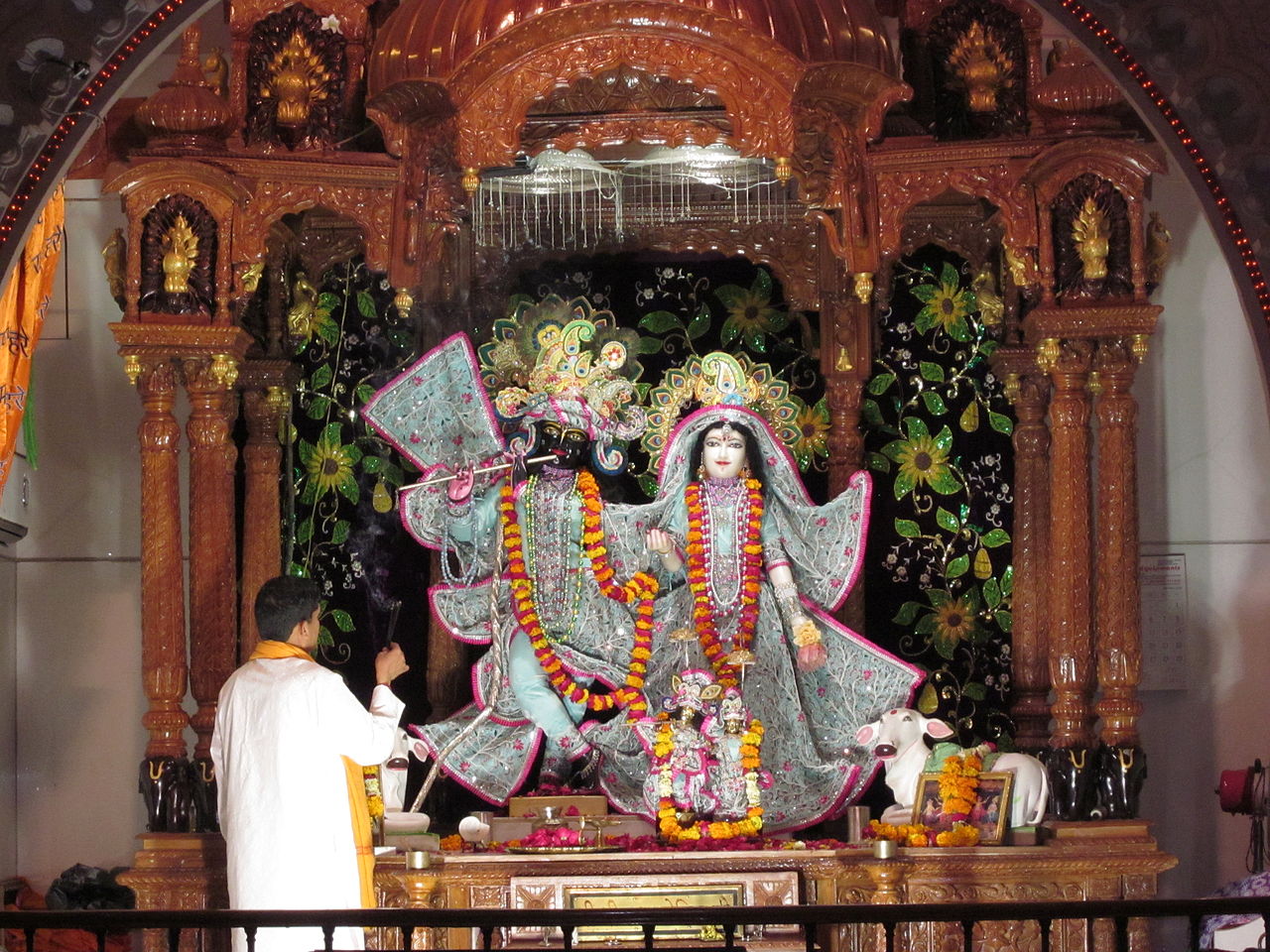
Radha is venerated in numerous Vaishnava sampradayas, including Gaudiya Vaishnavism, Nimbarka, Pushtimarg, the Radha-vallabh and several regional schools. These communities honor her through temple worship, devotional songs, and ritual observances. Her birth anniversary, Radhashtami, is celebrated by many followers with fasting, singing and special temple services. The Vaishnavism movement broadly incorporates her image and teachings into practices that emphasize personal devotion.
Cultural influence and representation
Radha’s story has had a broad impact on South Asian arts. She appears repeatedly in devotional poetry, classical dance, miniature painting and folk theater. The episodes of Rasa lila and pastoral idylls of Braj have inspired composers, painters and performers. Classical forms such as the Manipuri dance and other regional repertoires use Radha–Krishna themes to convey emotional and spiritual meanings. The iconography typically shows her alongside Krishna in pastoral settings, symbolizing their divine love.
Distinctive aspects and scholarly notes
- Radha is often interpreted on multiple levels: literal heroine, allegory of the soul, and independent divine principle.
- Cultic emphasis on Radha varies; some traditions accord her parity or precedence with Krishna, while others place her in a complementary role.
- Her portrayal has evolved through poetry, temple practice and regional devotion rather than a single canonical scripture; see more in specialized studies and devotional sources (avatar discussions).
Further reading and resources
For readers seeking more, introductions in devotional literature and scholarly surveys outline Radha’s role in Indian religion and culture. General treatments of her life and symbolism appear in works on medieval bhakti, iconography and regional practice in Indian cultural studies. Many temple sites and online collections provide translations and commentaries on her hymns and stories (goddess profiles and devotional archives).
Radha continues to be a living focus of devotion and artistic inspiration, representing an enduring ideal of devotional love and the intimate relationship between human longing and the divine.
Related articles
Author
AlegsaOnline.com Radha: Hindu goddess of love and devotion Leandro Alegsa
URL: https://en.alegsaonline.com/art/80734