
Rastafari movement (Rastafarianism)
A religious and cultural movement originating in 1930s Jamaica that centers on the worship of Haile Selassie I as Jah, Afrocentrism, natural living (Ital), and distinctive symbols such as dreadlocks and reggae music.
Overview
The Rastafari movement, often called Rastafarianism or simply Rasta, is a religious, social and cultural movement that began among Afro-Jamaicans in the early 20th century. It emphasizes African identity and dignity, a spiritual relationship with God (commonly called Jah), and a longing for return or connection to Africa and to a redeemed community often called Zion. While many followers originally lived in the Caribbean, particularly Jamaica, the movement has spread worldwide through migration and cultural influence.
Image gallery
10 Images





Core beliefs and practice
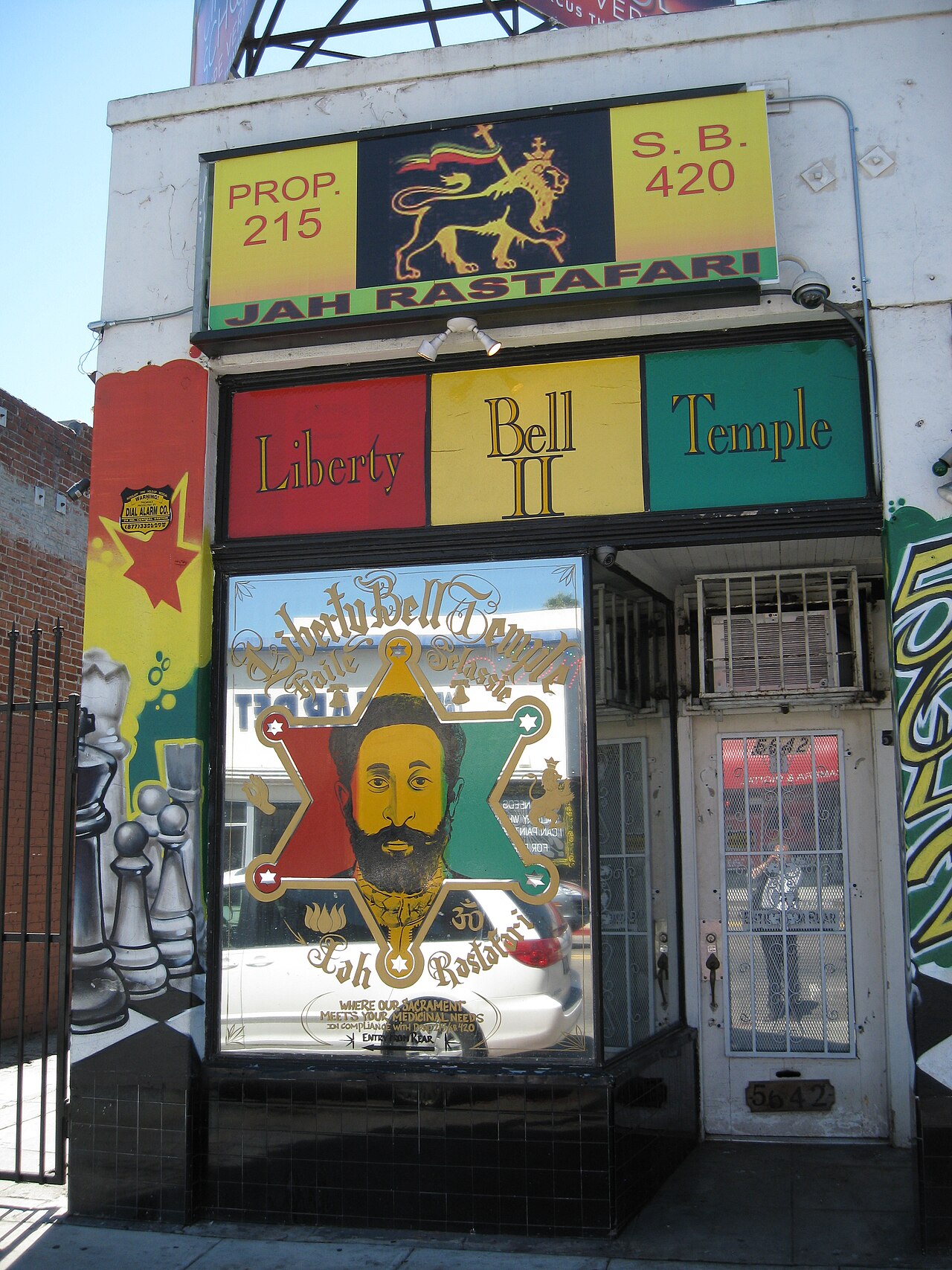
Central to most Rastafarians is the belief that Haile Selassie I of Ethiopia is a divinely significant figure; some regard him as the returned messiah or as an embodiment of spiritual presence. Sacred texts in the tradition include selections from the Bible and writings that interpret biblical prophecy in an Afrocentric context. Many Rastas speak of deliverance to paradise or to historic homelands such as Ethiopia. Beliefs and rituals vary considerably between communities.
Lifestyle, diet and symbols
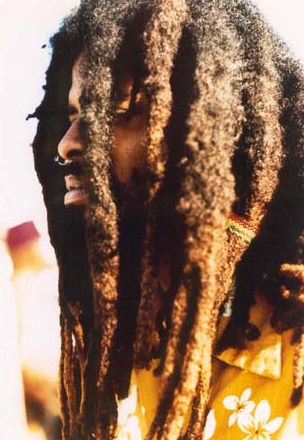
Natural living is a core value. The Ital diet—derived from the word "vital"—prioritizes whole, unprocessed foods and often excludes pork and artificial additives; some adherents follow vegetarian or vegan regimes. Many Rastas avoid alcohol and refrain from cutting their hair, wearing it in dreadlocks as an expression of covenant and identity. The ritual use of marijuana in communal reasoning sessions is common in some groups, where it is seen as a sacrament that aids meditation and spiritual insight, though practices differ widely.
History and development
The movement emerged in the 1930s in the context of colonial inequality, racial oppression and Afrocentric political thought. Influences include Pan-African ideas and the social teachings circulating in Jamaica at the time. The 1930 coronation of Ethiopia's emperor and his perceived significance inspired the movement's name and many of its early doctrines. Since then several distinct orders or "houses" have formed, each with different emphases on ritual, social discipline and political engagement.
Culture, music and public influence
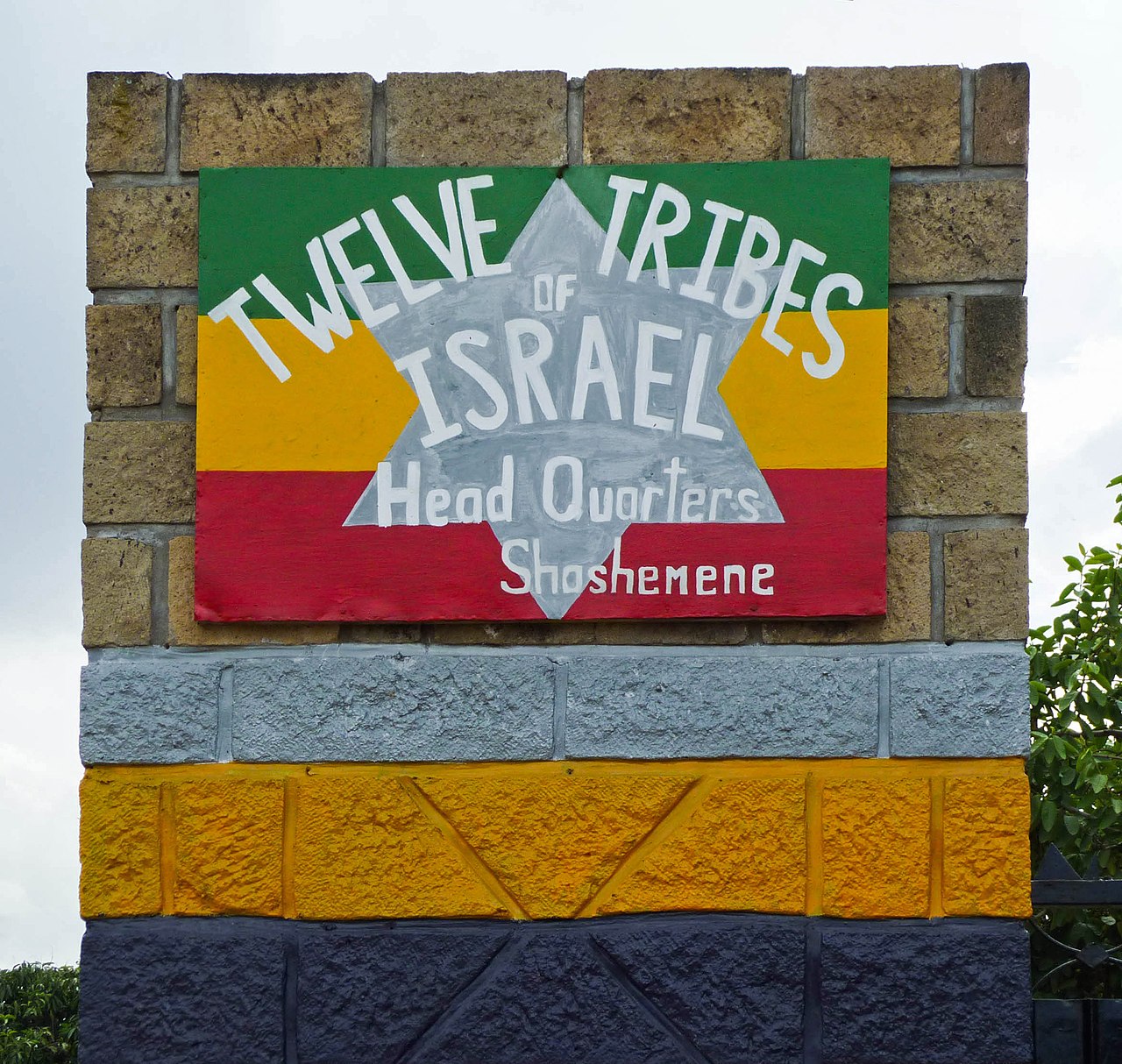
Rastafari has had a considerable cultural impact beyond strictly religious circles. Reggae music helped popularize Rasta symbols—red, gold and green, the Lion of Judah—and messages of resistance and spiritual uplift; famous musicians brought wider recognition to Rasta ideas. Community gatherings, drumming, and "reasoning" sessions are social practices that reinforce shared values.
Diversity and contemporary issues
Rastafari is not a single, centrally organized church but a constellation of communities with different interpretations. Some followers emphasize repatriation to Africa, others prioritize social justice where they live. Debates continue within and outside the movement over legal status of sacramental marijuana, recognition of cultural rights, and how traditional practices adapt in diaspora contexts. For further reading about historical figures and scripture, see general introductions and comparative material on religious movements and dietary laws such as kosher practices; for biographical and scriptural context see entries on Jesus and broader Christian texts. Additional resources and discussions are available through cultural, religious and academic outlets (vegetarian lifestyle groups, community centers and studies) and through multimedia collections and musical archives (Dreadlocks cultural histories).
- Common emphases: Afrocentrism, natural living, spiritual directness.
- Varied practices: diet, hair, sacrament use, communal rites.
- Notable concerns: identity, repatriation, cultural preservation.
For introductions to meditation methods and the spiritual practices used in some Rasta communities see materials on contemplative practice and meditation, and for broader geographic and historical context consult resources on the Caribbean and on Jamaica.
Related articles
Author
AlegsaOnline.com Rastafari movement (Rastafarianism) Leandro Alegsa
URL: https://en.alegsaonline.com/art/81242
Sources
- nydailynews.com : www.nydailynews.com