
Manipuri dance: classical dance form from Manipur
Manipuri is a classical Indian dance from the state of Manipur, noted for its lyrical grace, devotional Ras Leela repertoire, distinctive costumes (potloi), Pung drum traditions, and gentle circular movements.
Overview
Manipuri is a major classical dance tradition of India that developed in the northeastern state of Manipur. It emphasizes devotional expression, smooth continuity of movement and a soft, lyrical quality often described as the most graceful among Indian classical styles. Many of its better-known pieces dramatize episodes from the lives of Krishna and Radha and explore themes of divine love, devotion and communal ritual.
Image gallery
10 Images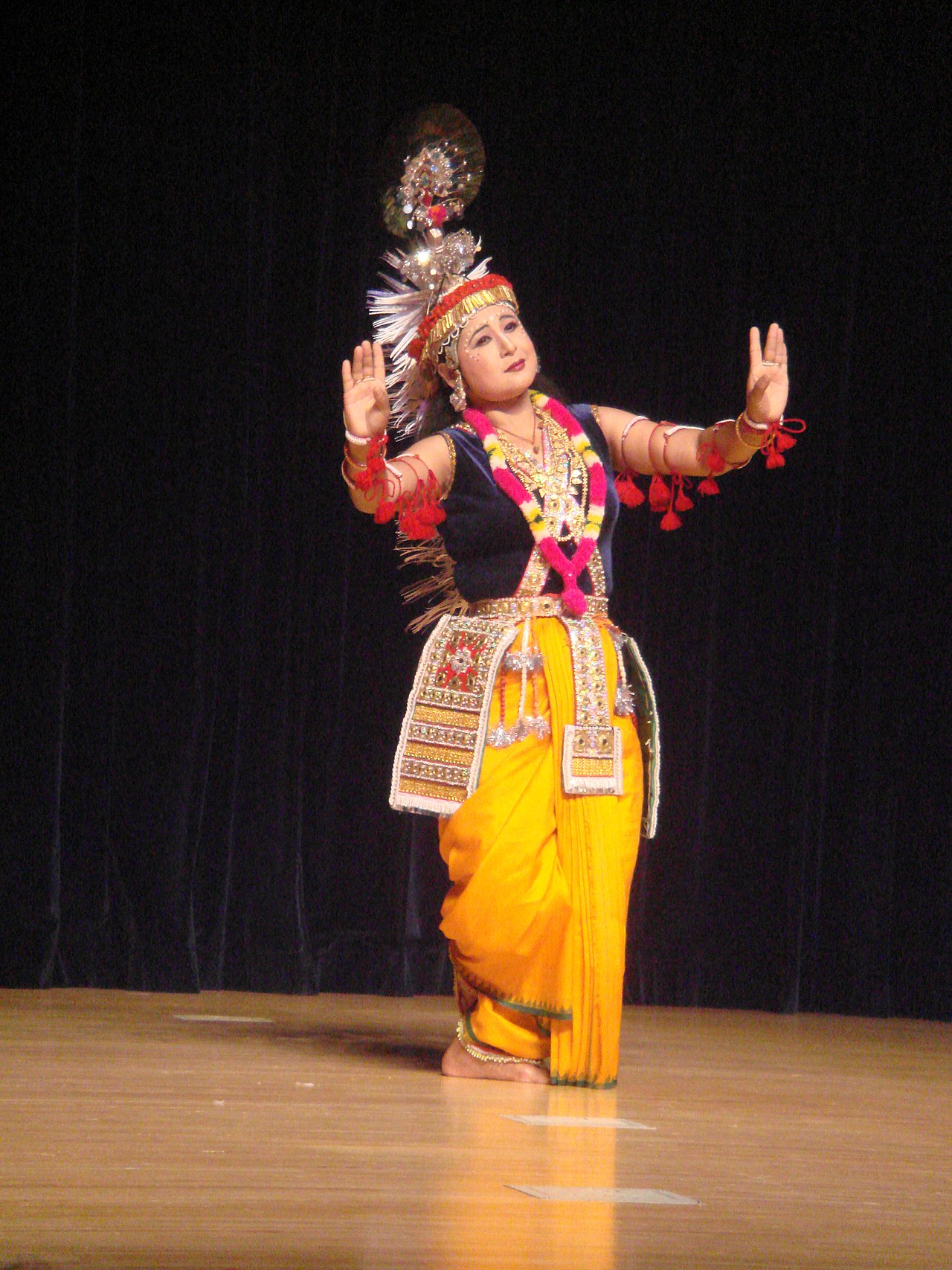




Characteristics
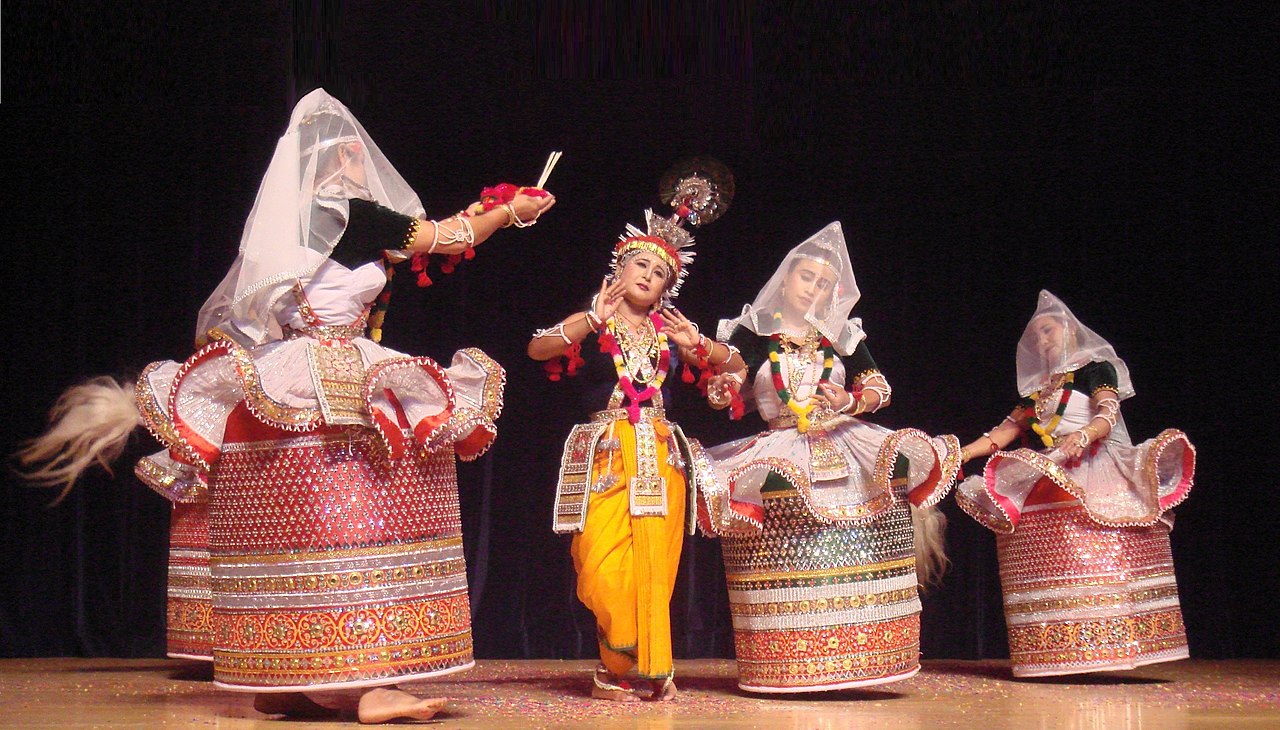
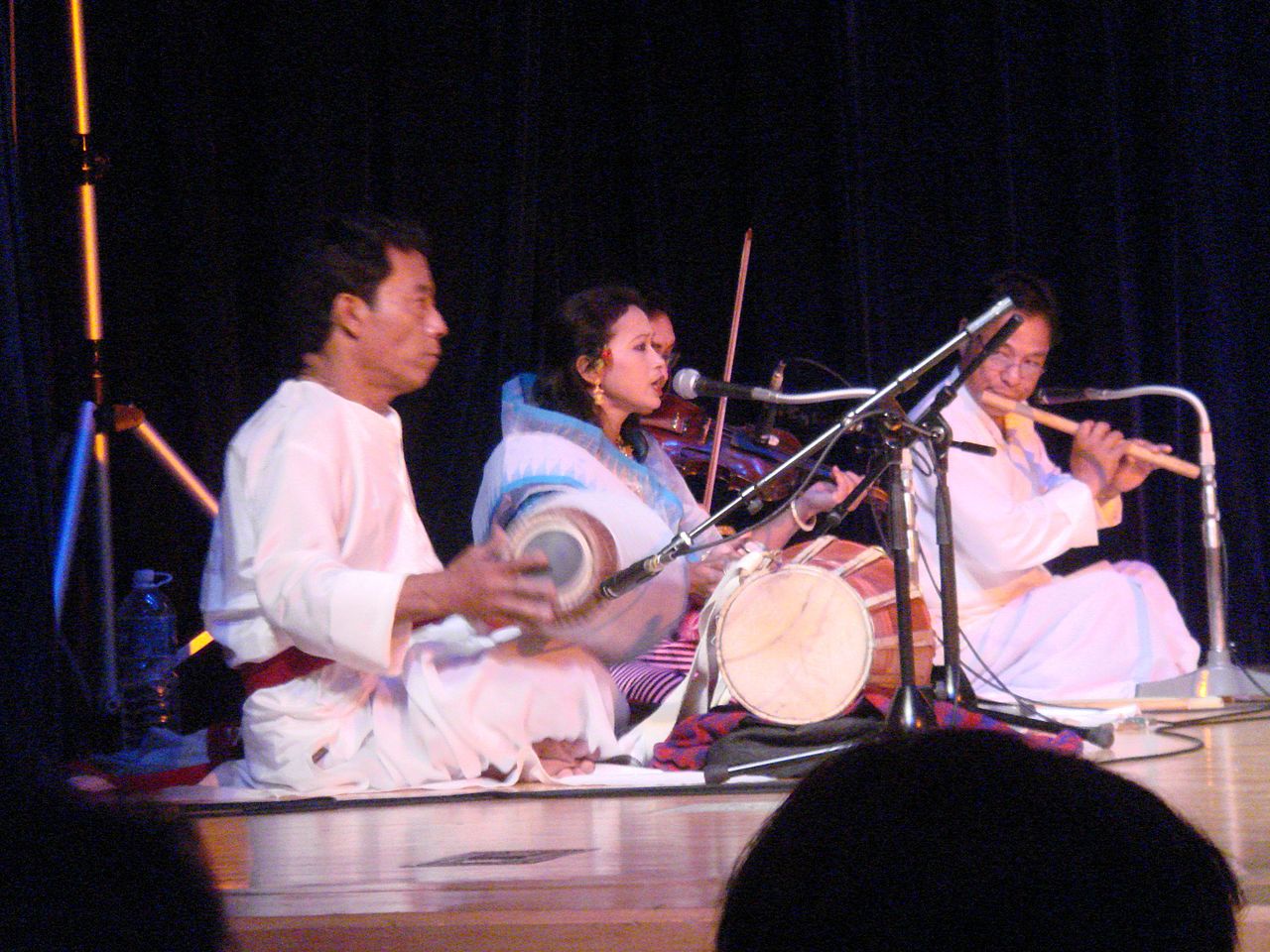
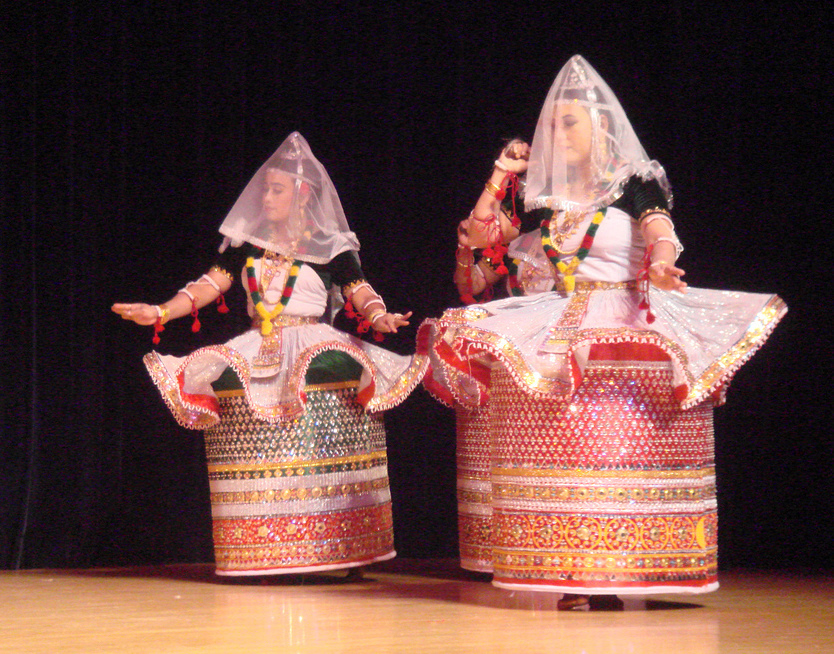
The dance is characterized by restrained facial expression, gliding steps, circular movement patterns and a pervasive sense of inner calm. Costume plays a key role: female dancers in the Ras Leela often wear a bell-shaped skirt called a potloi and fitted bodice, while male performers use dhoti-style garments and turbans. Accompaniment typically includes the pung (a type of drum), the pena (a bowed instrument), flute and cymbals, with a vocal ensemble providing lyrical texts drawn from Manipuri Vaishnava literature.
Structure and notable forms
- Rasa Leela: the principal devotional drama portraying Krishna’s pastimes with the gopis; highly codified and ceremonial.
- Pung Cholom: a dynamic drum-dance where performers play and dance with the pung, combining rhythm and acrobatic movement.
- Solo and group items: narrative and abstract pieces that maintain the form’s gentle aesthetic.
History and development
The classical repertoire crystallized under the influence of Vaishnavism in Manipur. Court patronage and temple ritual played a central part in preserving and transmitting these dances. Historical sources and oral traditions credit royal and community sponsors for shaping the Ras Leela and related forms; in the modern period the style gained national recognition and was adapted for stage presentation.
Importance and influence
Manipuri has influenced Indian choreography and literature; notable cultural figures such as Rabindranath Tagore incorporated its movement quality into dance dramas for female characters. The form is taught in conservatories, performed at festivals and studied for its distinct aesthetics—its emphasis on devotion, collective harmony and the integration of music, costume and choreography.
Distinctive facts
Compared with other classical dances, Manipuri favors flowing continuity over percussive footwork, and its presentation often retains a close link with ritual practices. Its repertoire ranges from serene temple rites to the vigorous Pung Cholom, demonstrating a spectrum from contemplative grace to rhythmic virtuosity.
Questions and answers
Q: What is Manipuri dance?
A: Manipuri dance is a classical dance form that originated from the Manipuri culture of the Indian state of Manipur.
Q: What was Manipuri dance originally known as?
A: Manipuri dance was originally known as Manipuri Rasa Leela Dance.
Q: How would you describe the classical style of Manipuri dance?
A: The classical style of Manipuri dance is described as being the most graceful of all the Indian classical dances.
Q: Who used the Manipuri dance style for his female characters in his famous dance dramas?
A: Rabindranath Tagore used the Manipuri dance style for his female characters in his famous dance dramas.
Q: Does Manipur share a border with Burma?
A: Yes, Manipur shares a border with Burma.
Q: What kind of group do the people of Manipur belong to?
A: The people of Manipur are part of the Mongoloid group.
Q: Does Manipur have a rich and artistic culture?
A: Yes, Manipur has a very rich and artistic culture.
Related articles
Author
AlegsaOnline.com Manipuri dance: classical dance form from Manipur Leandro Alegsa
URL: https://en.alegsaonline.com/art/61346
Sources
- manipuri.20m.com : "History of Manipuri Dance"
- ranganiketan.com : "Repertoire"
- asminor.info : "Music in Classical Manipuri Dance, Ras Leela of Manipur, Classical Dance"
- books.google.com.au : Music and fine arts in the devotional traditions of India: worship through beauty
- mayapur.com : "20 Vesha's Offered By Girl's Gurukula"
- uqconnect.net : "MANIPUR"