
Krishna — life, teachings, and cultural significance
Krishna is a central figure in Hinduism: a deity, teacher, and hero. This article summarizes his narratives, theological roles, principal texts, symbolism, worship, and cultural influence.
Overview
Krishna is one of the most widely revered figures in Hinduism. He appears in a variety of roles across ancient and medieval texts: cowherd and lover, prince and statesman, charioteer and spiritual teacher, and in many traditions the supreme divine personality. Different communities emphasize different aspects of Krishna—some stress his human exploits, others his divinity.
Image gallery
10 Images




Life and narratives
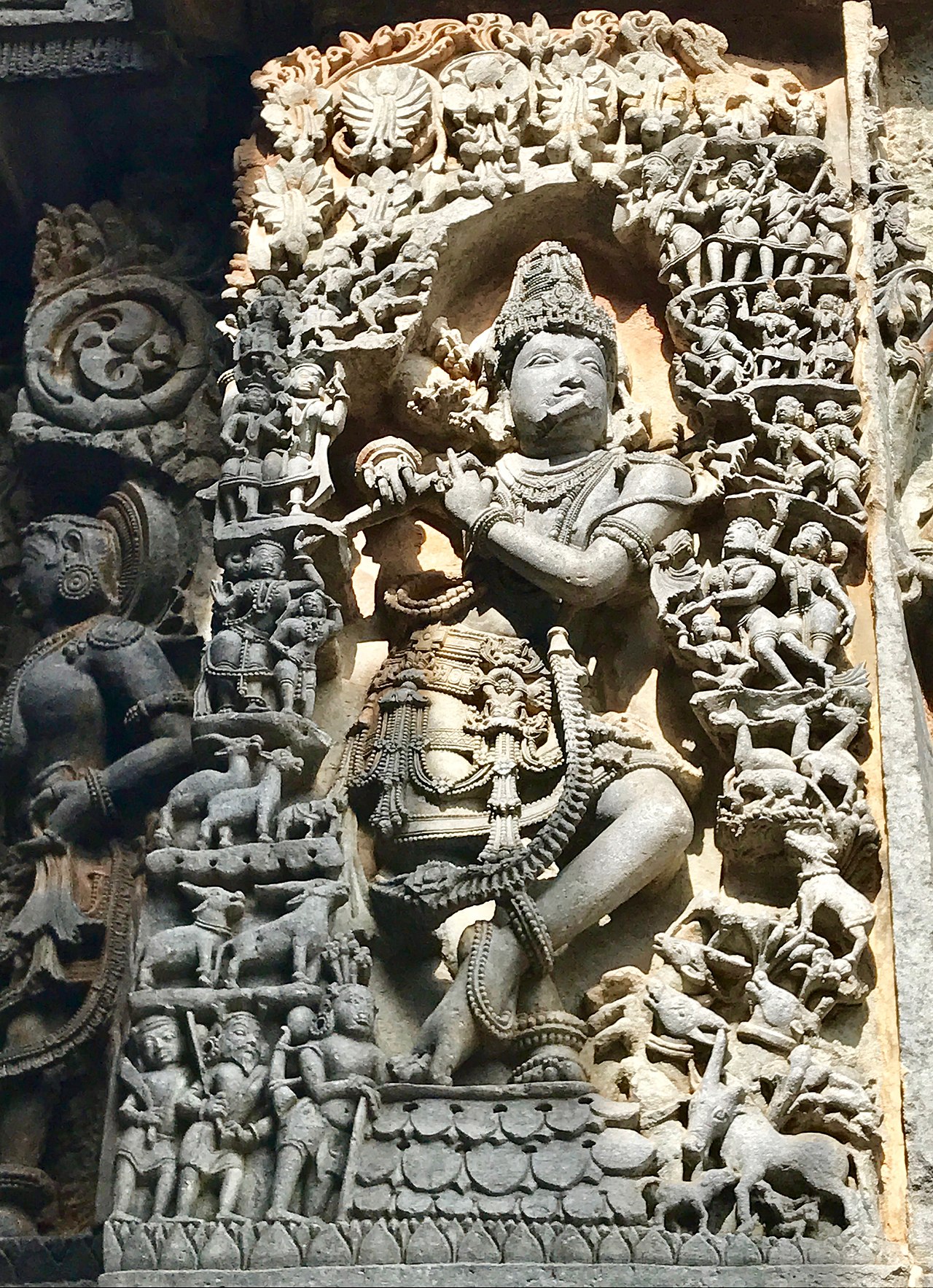
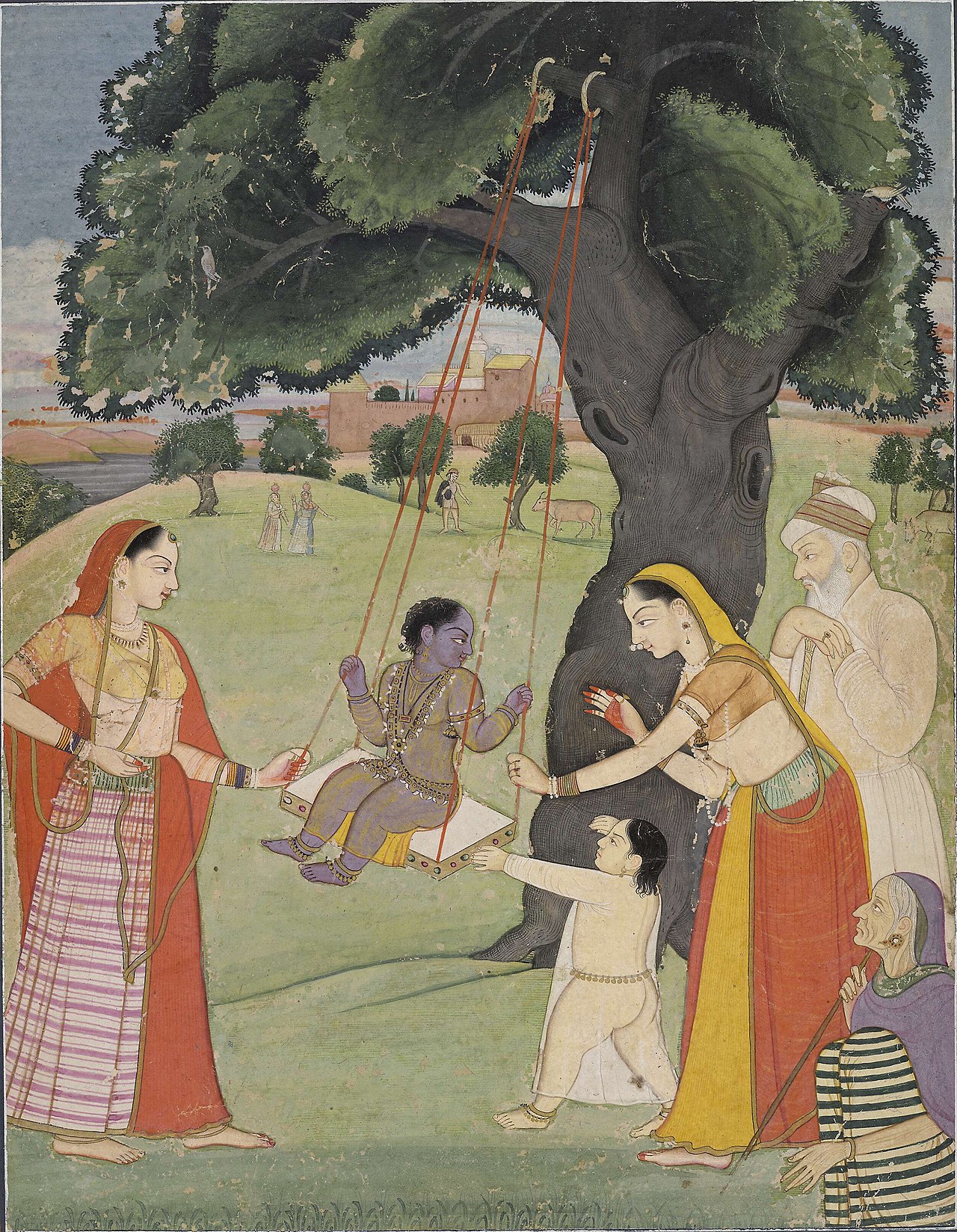
Narratives about Krishna are woven through several layers of South Asian literature and oral tradition. Legendary stories describe his miraculous birth, childhood in Vrindavan, youthful pastimes with the gopis (milkmaids), and later life at the court of Mathura and Dvārakā. He is also associated with the defeat of the tyrant king Kamsa, an episode commonly recounted in devotional retellings.
Theology and primary texts
In many sects Krishna is regarded as an avatar—an incarnation—of the god Vishnu, a view reflected in several classical sources. He plays a pivotal role in the epic Mahabharata, where his counsel to the warrior Arjuna is preserved in the Bhagavad Gita. The Gita presents core teachings on duty, ethics, and paths to spiritual liberation and has been influential across religious and philosophical traditions.
Roles, attributes, and symbolism
Krishna's many-sided character is expressed through a compact set of symbolic features and roles:
- Teacher: adviser and moral guide, especially in the Bhagavad Gita.
- Cowherd and lover: pastoral episodes emphasize joy, play, and devotion.
- Ruler and strategist: prince of Dvārakā and participant in epic politics.
- Divine friend: intimate relationships that model devotion (bhakti).
Worship, festivals, and cultural impact
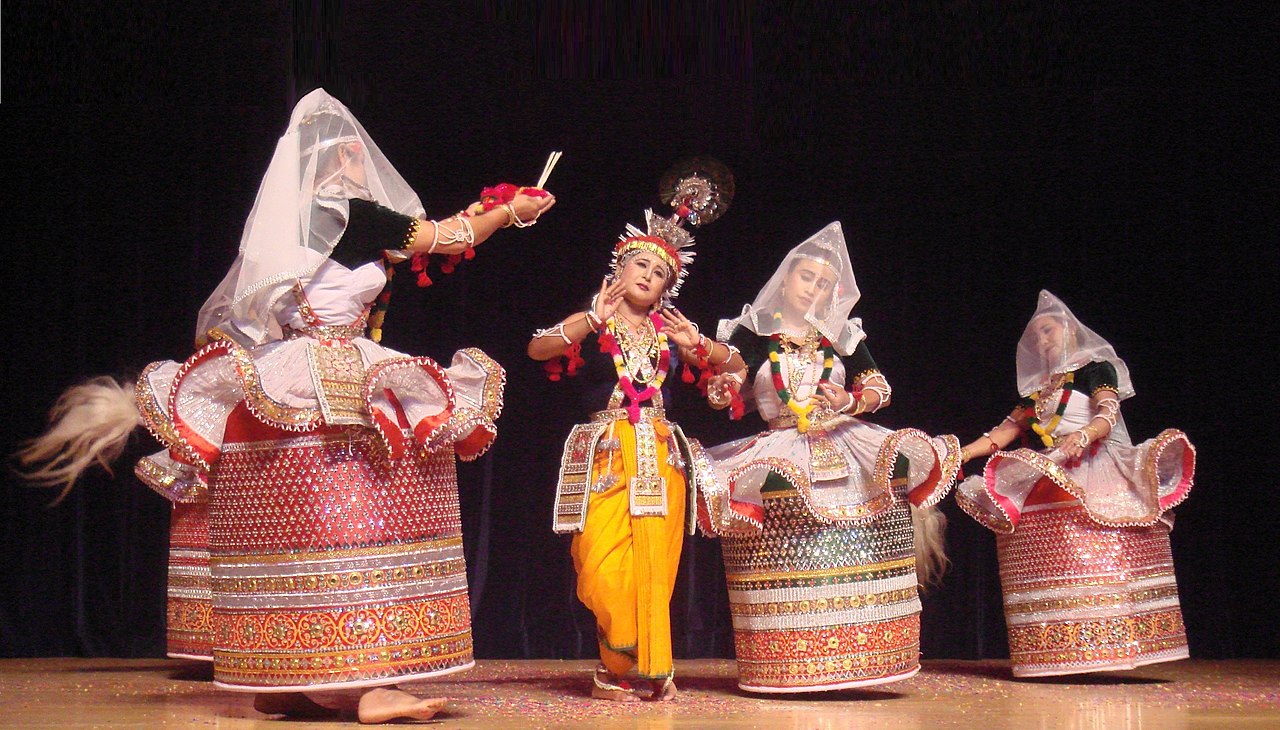
Krishna inspires diverse forms of devotion: temple rites, chanting, dramatic enactments, music, and dance. The festival of Janmashtami celebrates his birth with fasting, scripture readings, and night vigils. Artistic expressions—from classical dance dramas of the Rasa-lila to modern literature and film—have made Krishna a persistent cultural presence across South Asia and in diasporic communities.
Distinctive features and scholarly notes
Scholars note that Krishna's identity shifts with historical context: earlier layers emphasize heroic and pastoral themes, while later devotional movements (bhakti) elevate his role as a personal deity. Interpretations vary among regional traditions; some regard him as supreme, others as one divine form among many. For readers seeking introductions and primary sources, the epic and devotional texts linked above are common starting points for further study.
Related articles
Author
AlegsaOnline.com Krishna — life, teachings, and cultural significance Leandro Alegsa
URL: https://en.alegsaonline.com/art/54458