
Central African Republic
Landlocked country in central Africa with a plateau landscape, extensive forests and savannas, a mix of cultures and languages, and a history of colonial rule, independence and recurring political instability.
Overview
The Central African Republic (CAR), officially the République centrafricaine, is a landlocked country in the heart of Africa. Its capital and largest city is Bangui. The country covers a large area of territory—commonly cited as around 620,000 square kilometres—and is mostly a high plateau with broad variations in elevation. French and Sango are widely used; Sango functions as a national lingua franca linking many of the country’s communities.
Image gallery
10 Images



Geography and environment
CAR lies between equatorial rainforests to the south and drier savanna in the north. Major rivers, including the Ubangi and Sangha, drain toward the Congo basin and support freshwater ecosystems. Southern regions contain important tracts of tropical forest and high wildlife value, while northern zones are dominated by woodland and grassland. The country contains several protected areas and conservation sites noted for their biodiversity and large mammals.
Climate
The climate ranges from equatorial in the south, with a long rainy season, to a more tropical savanna climate in the north, with distinct wet and dry seasons. Rainfall and temperature patterns influence agricultural cycles and the distribution of ecosystems across the plateau.
History
Human presence in the region long predates colonial records. The area became part of French colonial territories in the late nineteenth and early twentieth centuries and gained independence in 1960. Since independence the country has experienced episodes of political upheaval, including coups and armed conflicts, which have affected governance, development and the lives of civilians.
Politics and governance
The CAR is constitutionally a presidential republic, but state authority has at times been uneven across its territory. Domestic politics have been shaped by the legacies of colonial administration, struggles over resources and recurring security challenges. International mediation and peacekeeping efforts have been deployed to support stabilization and humanitarian response.
Economy
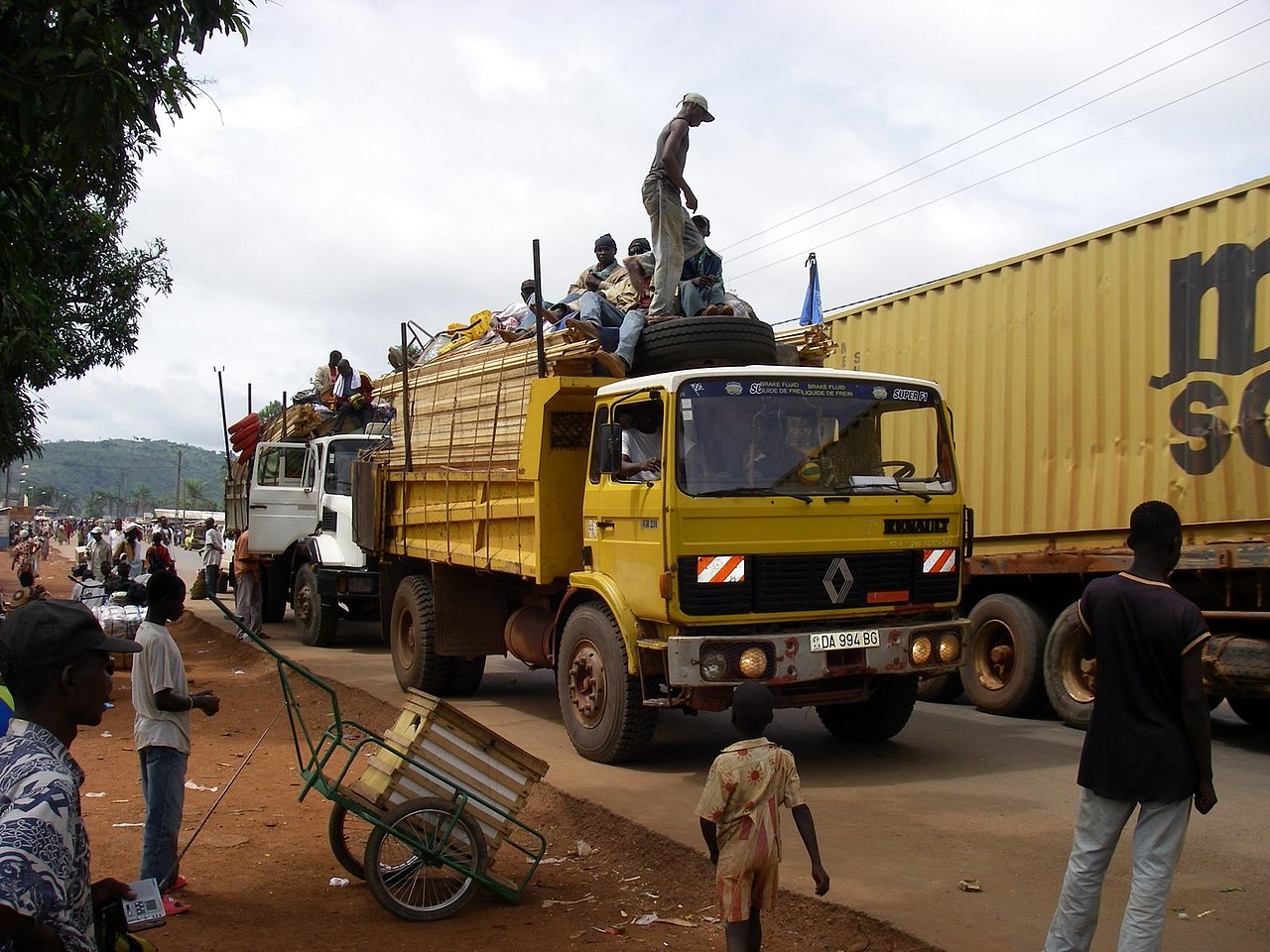
The economy is largely based on subsistence agriculture, forestry and extractive resources. Important commercial products include timber, and artisanal extraction of minerals such as diamonds and gold. Limited infrastructure, insecurity and weak public institutions constrain growth and service delivery.
Society and culture
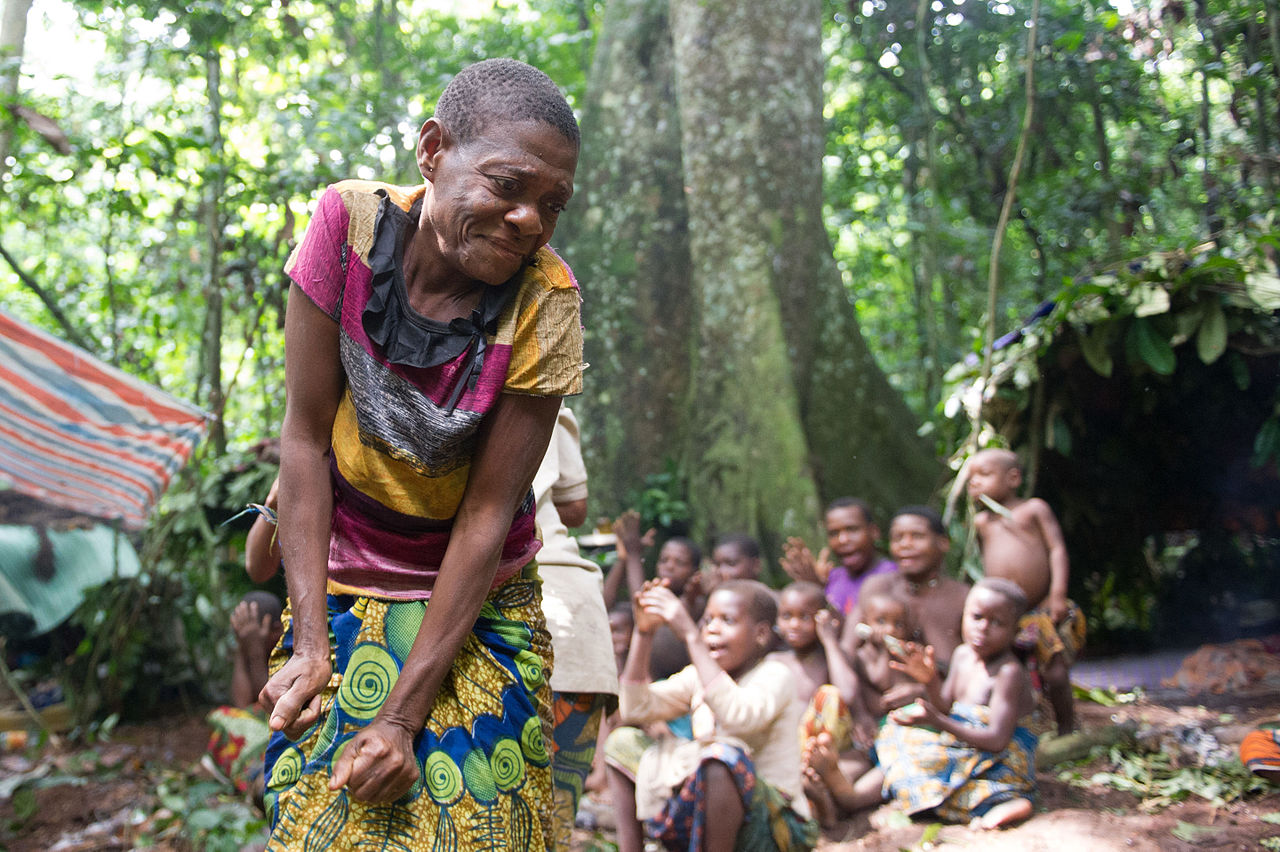
The population is culturally and ethnically diverse, with a variety of languages, religious practices and local traditions. Christianity is the predominant religion alongside Islam and indigenous belief systems. Communities maintain rich oral traditions, crafts and music that reflect regional diversity.
Conservation and international role
Several areas in the CAR are of global ecological interest, and conservation initiatives exist alongside community livelihoods. International organizations and regional partners have been active in humanitarian relief and reconstruction; for current institutional and travel information consult historical and political summaries or official advisories.
For more background, readers may consult sources on Central African history, ecology and contemporary politics that provide deeper detail and up-to-date data.
Questions and answers
Q: What is the Central African Republic?
A: The Central African Republic (CAR) is a landlocked country in Central Africa.
Q: How high above sea level is the CAR?
A: The CAR is mostly a plateau or high, flat piece of land about 941 metres above the sea.
Q: What is the total area of the CAR?
A: The CAR covers a land area of about 620,000 square kilometres (240,000 sq mi).
Q: How many people live in the Central African Republic?
A: As of 2008, it was estimated that there were about 4.4 million people living in the Central African Republic.
Q: What is the capital city of the CAR?
A: Bangui is the capital city of the Central African Republic.
Q: What language do most people speak in CAR?
A: French and Sango are spoken by most people in CAR.
Related articles
Author
AlegsaOnline.com Central African Republic Leandro Alegsa
URL: https://en.alegsaonline.com/art/18003
Sources
- nytimes.com : "Newly Elected Central African Republic Leader Faces Hard Realities"
- un.org : "World Population Prospects, Table A.1"
- imf.org : "Central African Republic"
- cia.gov : "Distribution of family income – Gini index"
- brianlucas.ca : Which side of the road do they drive on? · webcitation.org
- xe.com : "XE: Convert XOF/USD. Communauté Financière Africaine (BCEAO) Franc to United States Dollar"
- forestsmonitor.org : Sold Down the River (English) March 2001
- carpe.umd.edu : The Forests of the Congo Basin: State of the Forest 2006