
Surface mining: methods, machinery, impacts and reclamation
Surface mining is extraction of minerals from the earth by removing soil and rock at the surface. This article summarizes methods, equipment, history, environmental issues and reclamation practices.
Surface mining refers to a set of mining methods in which mineral resources are recovered by removing the soil and rock that lies above them rather than tunneling underground. For a general introduction see surface mining. The layer of soil and rock that must be removed before the resource can be reached is called the overburden. Common target materials include coal (coal), metal ores and other mineral deposits. Surface mining is broadly distinct from underground mining, where excavations are made beneath the surface and overlying rock is largely left in place.
Image gallery
10 Images






Principal methods
Surface mining encompasses several techniques. The most widely recognised are:
- Strip mining — successive strips of overburden are removed to expose a near-surface seam or deposit; the stripped material may be used to refill excavated areas in stages.
- Open-pit (open-cast) mining — a large pit is dug to reach deep, extensive deposits; benches or steps are often cut into the sides to allow access and stability.
- Mountaintop removal — primarily used for coal where the summit of a mountain is blasted away to reach seams, with waste material often placed in adjacent valleys.
Equipment and operations
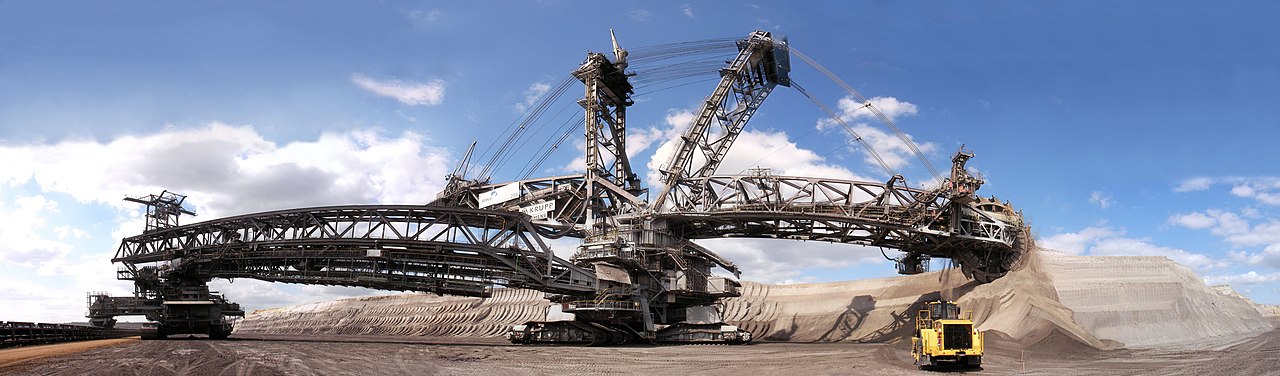
Surface mining relies on heavy machines to remove overburden and recover the mineral. Typical equipment includes large earthmoving vehicles, dragline excavators and specialised continuous miners. Very large operations may use rotating machines such as the bucket-wheel excavator. After material is loosened, haul trucks, conveyors and crushers transport ore or coal to processing areas. Procedures are planned to control slope stability, drainage and access while maintaining production efficiency.
History and regional use
Mechanised surface mining expanded during the 20th century as larger machines and improved engineering practices made removal of overburden economical for many deposits. In some regions surface mining became the dominant method for coal production; for example, it grew substantially in parts of the United States, including areas such as Appalachia and the Midwest where near-surface coal seams were accessible and demand rose. The choice between surface and underground methods depends on geology, resource depth, economics and regulatory factors.
Environmental and social considerations
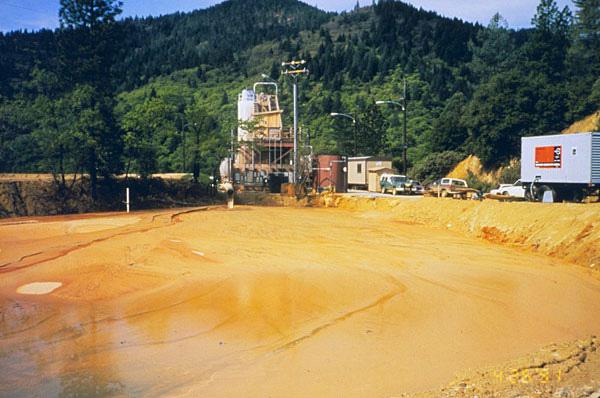
Surface mining can have significant environmental and social impacts because it alters landscapes, affects ecosystems, and changes water drainage and quality. Runoff, dust and habitat loss are common concerns. Mountaintop removal and valley filling have been particularly controversial because of their intensity and visible landscape change. Regulatory frameworks and industry standards vary by jurisdiction to address impacts; in some places laws require progressive reclamation and post-mining land restoration.
Reclamation, regulation and modern trends
Reclamation aims to restore disturbed land to a stable condition and, where practical, to productive uses such as forestry, agriculture or recreation. Typical reclamation steps include replacing overburden, contouring the land, restoring topsoil, re-establishing vegetation and monitoring water quality. Modern surface mining practice increasingly emphasises planning for closure, community consultation and environmental mitigation. For historical context and technical detail see resources on coal mining and engineering references. Further technical and regulatory materials can be referenced through general mining overviews at mineral resources and equipment descriptions such as those linking to overburden handling and specialised excavators like the bucket-wheel. Additional practical guides and case studies are available through mining authorities and industry literature (surface mining, coal, regional examples).
Questions and answers
Q: What is surface mining?
A: Surface mining is a method of mining that involves the removal of soil and rock overlying the mineral deposit to access the material, such as coal, below it.
Q: What are the three types of surface mining?
A: The three types of surface mining are strip mining, open-pit mining, and mountaintop removal mining.
Q: How does surface mining differ from underground mining?
A: Surface mining removes the overlying rock and soil to access the mineral deposit, while underground mining leaves the overlying rock in place and accesses the mineral through shafts or tunnels.
Q: What heavy equipment is used in surface mining?
A: Heavy equipment, such as earthmovers and excavators, are used in surface mining to remove the overburden and extract the mineral.
Q: When did surface mining gain popularity?
A: Surface mining gained popularity throughout the 20th century and became the primary method of coal mining in regions such as Appalachia and America's Midwest.
Q: What is the purpose of removing the overburden in surface mining?
A: The purpose of removing the overburden in surface mining is to access the mineral deposit below it.
Q: What are some examples of machines used to extract minerals in surface mining?
A: Examples of machines used to extract minerals in surface mining include dragline excavators and Bucket-wheel excavators.
Related articles
Author
AlegsaOnline.com Surface mining: methods, machinery, impacts and reclamation Leandro Alegsa
URL: https://en.alegsaonline.com/art/95156