
Pune: History, Culture, Economy and Urban Profile
Pune is a major Indian city on the Deccan Plateau known for its historical role in the Maratha Empire, educational institutions, growing IT and manufacturing sectors, and distinctive cultural life.
Pune is a major metropolitan area in India, located on the western edge of the Deccan Plateau in the state of Maharashtra. The city combines a long history as a regional power centre with rapid modern growth. It is often cited among the country's larger urban agglomerations and serves as a regional hub for education, research and industry.
Image gallery
10 Images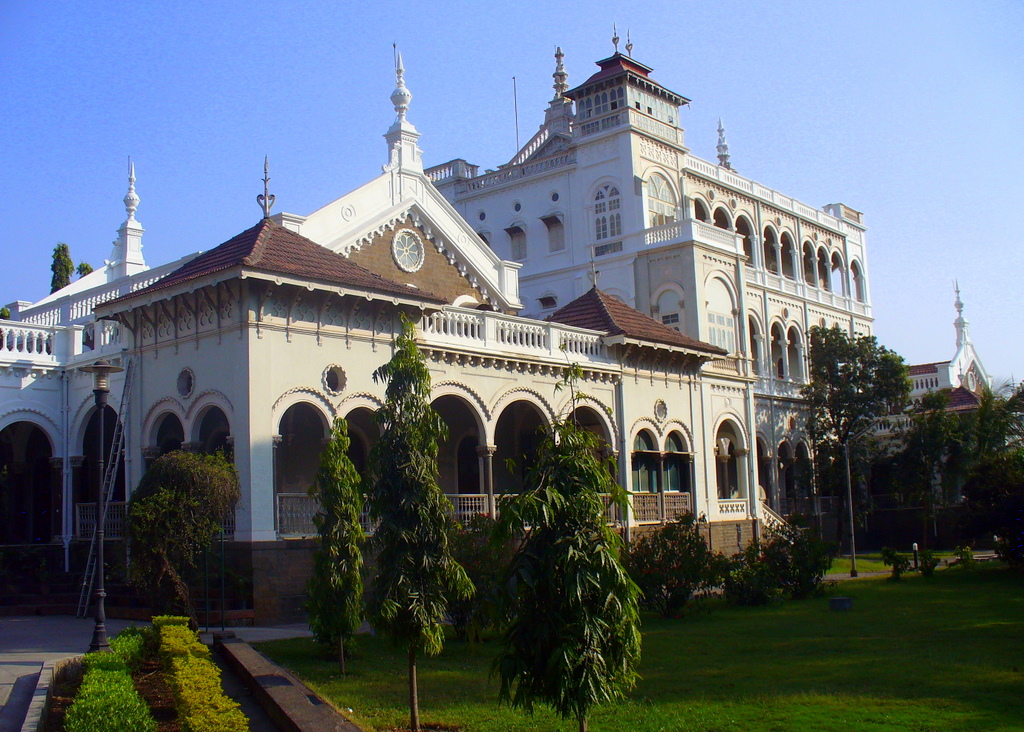


Geography and Rivers
Pune lies inland at a moderate elevation and has a climate that is generally tropical wet and dry, influenced by the monsoon. Two streams, the Mula and the Mutha, traverse the city and meet near the centre; their floodplains and adjacent hills have shaped Pune's urban form. Surrounding ridgelines and historical forts are characteristic features of the local landscape.
Historical background
Pune's modern prominence grew during the 17th and 18th centuries under the Maratha polity. The city is widely associated with the Maratha leader Chhatrapati Shivaji Maharaj, whose legacy remains central to regional identity and monuments. During British rule Pune also hosted a number of military and administrative establishments and later became a centre for social and educational reform movements.
Culture, education and notable individuals
Pune has long been recognised as a centre for learning and the arts. It is home to numerous universities, colleges and research institutes and is sometimes referred to as an educational capital or the "Oxford of the East" in popular usage. The city is also the birthplace of the spiritual teacher Meher Baba, and hosts a lively Marathi theatre, music and festival culture.
Economy, industry and technology
In recent decades Pune has diversified its economy. Manufacturing, especially in the automotive and engineering sectors, is important alongside a growing information technology and services industry that attracts professionals from across India. The city supports technology parks, research centres and a range of small and medium enterprises.
Sports, civic life and urban administration
Pune has contributed to sport and recreation in several ways; the game of badminton has historical ties to the city, sometimes referred to by its older name in 19th-century accounts (19th century references). Local governance is handled by municipal bodies responsible for planning, transport and public services, while cultural institutions, markets and neighbourhoods sustain a strong civic life.
Practical information and notable features
- Educational institutions and research centres contribute to a youthful population and vibrant cultural scene.
- Transport links connect Pune to other parts of India, with road, rail and regional air service supporting commerce and travel.
- Historic sites and hill forts around the city offer insight into the Maratha era and regional history.
Pune's combination of history, education, industry and cultural life makes it a prominent city in western Maharashtra and a focal point for regional development. For more focused topics—architecture, festivals, universities or business sectors—consult specialised resources and local guides.
Learn more about the city • Geography • Historical figures • Sports heritage • 19th century sources • Notable personalities • Rivers
Location
Pune is located on the Mula and Mutha rivers at a distance of about 150 kilometers (driving distance) southeast of Mumbai at an altitude of about 560 meters above sea level on the Deccan Plateau. Aurangabad, another city with a population of over a million and an important industrial centre, lies just under 240 kilometres to the northeast.
Toponomy
As can be seen from two copper plates with inscriptions that have been found, a settlement called Punyanagari already existed in the 9th/10th century; the name later became Punak, and in the 13th century Kasbe Pune or Punavadi. The British made it Poona, which remained valid until 1976.
Related articles
Author
AlegsaOnline.com Pune: History, Culture, Economy and Urban Profile Leandro Alegsa
URL: https://en.alegsaonline.com/art/80062
Sources
- commons.wikimedia.org : Signs in Pune
- en.wikivoyage.org : Pune
- world-gazetteer.com : Pune Metro Area Population