
Meher Baba (Merwan Irani): life, teachings, silence and legacy
Overview of Meher Baba (1894–1969): his life as Merwan Irani, seven-year integration, lifelong silence, principal teachings, writings, communities he founded, and his cultural influence.
Overview
Meher Baba (born Merwan Sheriar Irani, 25 February 1894 – 31 January 1969) was an Indian spiritual teacher who attracted an international following during the 20th century. Born to a Zoroastrian family of Persian descent in the city of Poona (now Pune), he later adopted the name Meher Baba, meaning "Compassionate Father." He described himself as the Avatar of his age, a term used in some traditions for a divinely incarnate being. For most of his adult life he observed a personal vow of silence: from 1925 until his death in 1969 he did not speak publicly, communicating instead by writing, an alphabet board, and later a system of hand gestures. His life combined traditional Indian spiritual relationships with an engagement in social service and international travel; he established ashrams, a hospital and dispensary, schools, and communities for the elderly and for those considered spiritually afflicted.
Image gallery
10 Images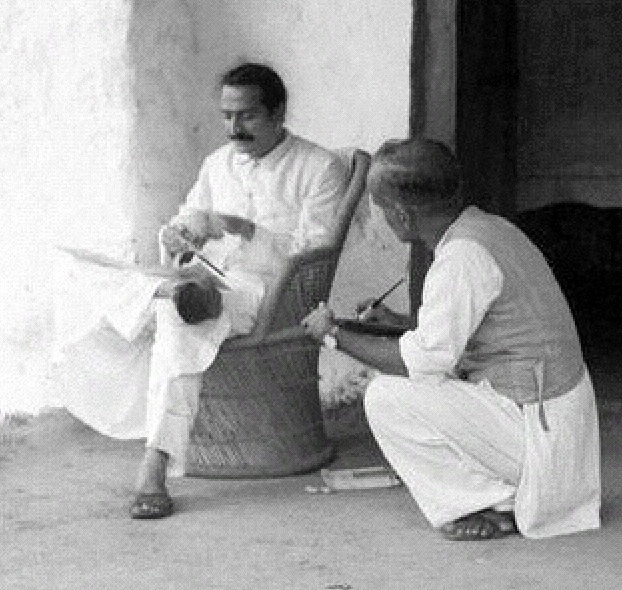


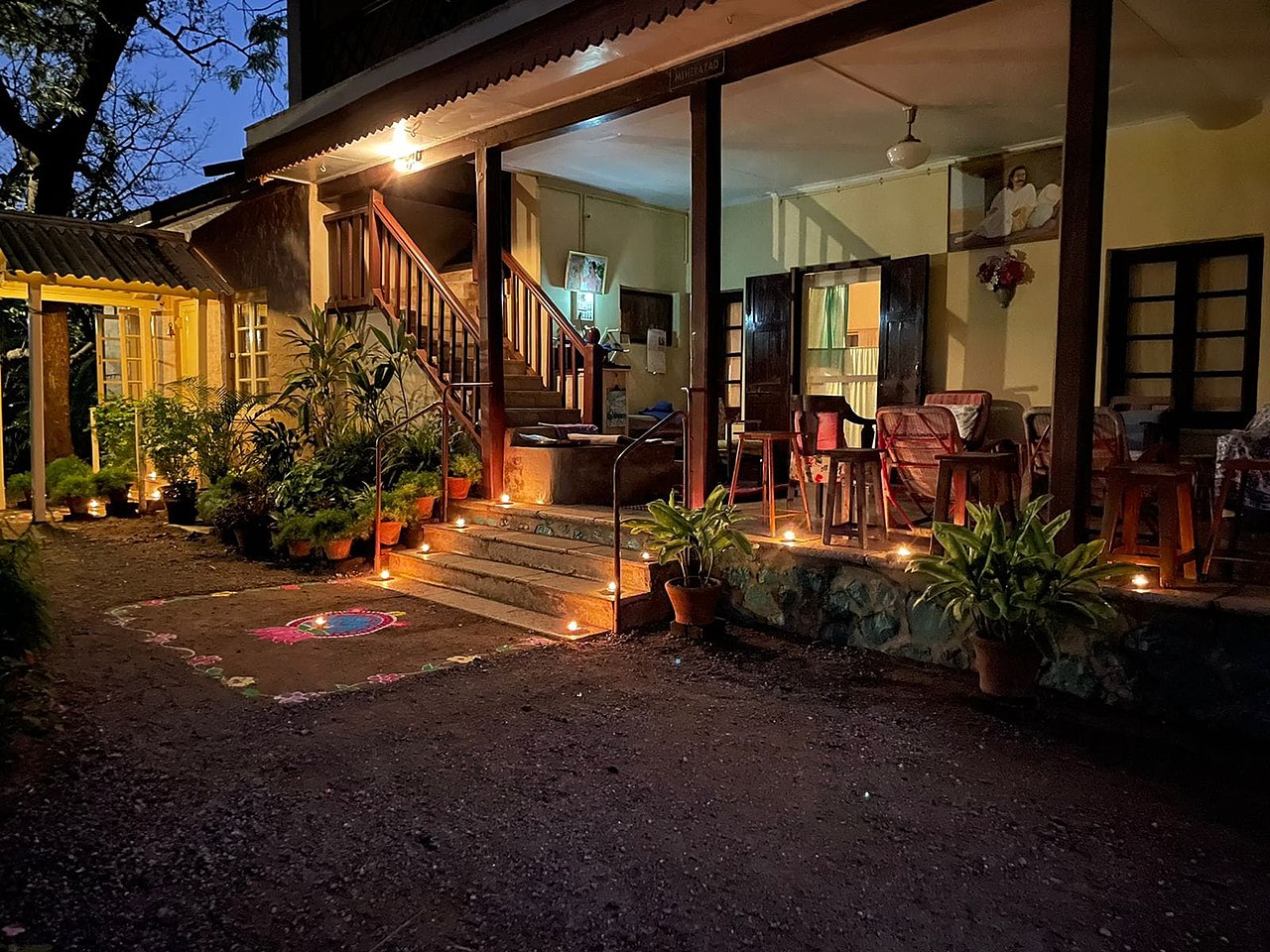


Life, formation and the vow of silence
Merwan Irani grew up in Poona in a family of Zoroastrian faith that traced its origins to Persia. As a youth he was active in school life, interested in poetry and sports, and participated in charitable and civic activities with peers. At about nineteen he had an encounter regarded by his followers as decisive: he met a Muslim woman revered as a saint, Hazrat Babajan, who is said to have recognized him as spiritually advanced. Over the following years he had contact with a number of eminent Indian spiritual figures then regarded as Perfect Masters, including Sai Baba of Shirdi and Upasni Maharaj. Devotees describe a process of inner transformation or "integration" that spanned several years and by the early 1920s led to his role as a spiritual guide. He founded an ashram in Bombay (Mumbai) and later moved to Ahmednagar, where an established center known as Meherabad became the focal point of his work. In 1925 he began a lifelong silence. Initially he used slates and an alphabet board to communicate, later developing a more compact repertoire of gestures understood by close followers. He continued to teach, travel and receive visitors while remaining physically silent.
Teachings, books and central ideas
Meher Baba's teachings drew on ideas found across Hindu, Sufi, and other mystical traditions, while expressing them in his own framework. He emphasized love of God as the central aim of human life and advocated selfless service, compassion, and inner work to overcome egoic separateness. He spoke against sectarianism and declared that his purpose was not to found a new religion but to revive and unify the spiritual forces present in many faiths. Among his principal written works are Discourses, a collection of talks and messages on spiritual life, and God Speaks, a systematic statement concerning the soul's journey through forms and reincarnations toward ultimate realization. His style blends metaphysical description with practical guidance and illustrative stories. Popular culture has also absorbed aspects of his public persona: short devotional phrases and indirect references to him appear in songs and writings by several Western artists who acknowledged his influence.
Community work, institutions and practices
From the 1920s onward Meher Baba and his close disciples organized communal activities that combined spiritual practice with social welfare. In Ahmednagar he helped develop a dispensary and hospital, provided care for those called "masts" (individuals often regarded in South Asia as God-intoxicated or mentally distressed), and supported a boarding school that served children regardless of caste or creed. He established residential centers for followers in India and later attracted visitors and groups in Europe, Australia and North America. Meher Baba encouraged practical service as an expression of devotion and maintained a regimen of group work, meditative practices, and the study of his writings among his close circles. Annual commemorations and pilgrimage to Meherabad and related sites remain important elements of his movement's life.
International travels and cultural influence
Beginning in the mid-20th century, Meher Baba made several extended visits to countries outside India, including stays in the British Isles, Australia and the United States, where he met a variety of seekers and public figures. His presence influenced a number of artists and musicians, some of whom publicly acknowledged a personal connection; one well-known rock musician credited his contact with Meher Baba as an inspiration for certain compositions. In popular memory Meher Baba is sometimes associated with a compact slogan expressing a relaxed attitude toward worry and with the image of a silent saint; these cultural echoes have often introduced wider audiences to his life and teachings without conveying the full content of his religious message.
Reception, controversies and distinctions
As with many prominent spiritual figures, Meher Baba's life and claims provoked a variety of responses. Devotees regard him as an Avatar and as uniquely qualified to guide humanity; they point to his charitable works, extensive writings, and the personal transformation reported by many followers. Scholars and critics have treated his claims more cautiously, examining them as part of the broader context of modern spiritual movements, while some observers have raised questions about leadership, authority, and the role of charisma. Meher Baba himself insisted that his mission was to revitalize the spiritual heart of existing religions rather than to supplant them, and his followers have included people from a wide range of religious backgrounds and none at all. The movement he founded continues to operate charitable projects, maintain archives of his writings, and organize pilgrimages and study programs.
Further reading and related topics
- Persia / Iran — historical context for Zoroastrian heritage
- Hinduism — one of the religious traditions Meher Baba engaged with
- Islam — the faith tradition of Hazrat Babajan and other influences
- Zoroastrianism — Meher Baba's family faith
- Cricket — a pastime he enjoyed in youth
- Charity — early club activities that shaped his social sensibility
- Hazrat Babajan — the saintly woman who figures in his early spiritual life
- Neem tree — a traditional location associated with early meetings
- God (concept) — central focus of his teachings
- Upasni Maharaj — one of the teachers active in his formation
- Sakori — place linked with Upasni and early ashram life
- Ahmednagar — site of Meherabad, his principal Indian center
- Meherabad — the community and pilgrimage site established under his direction
- Boarding school — early social service projects he supported
- England — one country he visited on extended travels
- Australia — another country visited during his international work
- United States — site of visits and of some Western followers
- Avatar (concept) — the term he used for his role
- Sanskrit — language in which the term "avatar" has classical usage
- Earth — the setting for incarnational teaching in his account
- Zoroaster — one of the historical figures Meher Baba referenced
- Rama — an avatar figure in Indian tradition he discussed
- Krishna — another classical figure cited in comparative context
- Buddha — an example from the wider spiritual history he invoked
- Jesus — cited among major spiritual figures he related to the Avatar idea
- Muhammad — included in his references to historical revelations
- Pete Townshend — musician who acknowledged influence from Meher Baba
- Christians — one of the faith communities represented among his followers
- Jews — another community from which some adherents came
- Sufis — a mystical current within Islam with some points of contact
- Buddhists — representatives of a distinct but dialoguing tradition
- Sikhs — another religious group among those who encountered his movement
For readers seeking introductory material, start with editions of Meher Baba's major works and with histories produced by neutral scholars of modern Indian religion; visiting established centers preserves archives and local histories that document the social projects and the range of responses to his life. Meher Baba remains a significant figure for those studying 20th-century spiritual movements that blended traditional South Asian forms with an international profile.
Questions and answers
Q: What was Meher Baba's birth name?
A: Meher Baba's birth name was Merwan Irani.
Q: What religion did his family practice?
A: Meher Baba's family practiced the Zoroastrian religion.
Q: How old was he when he encountered Hazrat Babajan?
A: Meher Baba was nineteen years old when he encountered Hazrat Babajan.
Q: Who were the five Perfect Masters that assisted Merwan in regaining his integration of the physical world and Divine Oneness?
A: The five Perfect Masters that assisted Merwan in regaining his integration of the physical world and Divine Oneness were Sai Baba of Shirdi, Upasni Maharaj, Hazrat Babajan, as well as two other unnamed Perfect Masters.
Q: When did Meher Baba begin keeping silent?
A: Meher Baba began keeping silent in 1925.
Q: What is one of the most famous quotes attributed to him?
A: One of the most famous quotes attributed to him is "Don't Worry, Be Happy."
Q: What did Meher Baba say about religions and cults?
A: Meher Baba said that he had not come to start a new religion—but to revitalize all religions; "I shall revitalize all religions and cults, and bring them together like beads on one string".
Author
AlegsaOnline.com Meher Baba (Merwan Irani): life, teachings, silence and legacy Leandro Alegsa
URL: https://en.alegsaonline.com/art/126574