
Punta Cana
Resort region on the eastern tip of the Dominican Republic known for white-sand beaches, all‑inclusive tourism, coastal ecosystems and rapid development since the late 20th century.
Overview
Punta Cana is a coastal region at the easternmost tip of the Dominican Republic. The name comes from a nearby cape and today designates both a broader resort area and a town. The area is known for its long stretches of white sand, warm Caribbean waters and a cluster of resorts, hotels and recreational facilities. Visitors and researchers alike often refer to Punta Cana as a major entry point for leisure travel to the country. Region information and the wider national context are usually presented together because of Punta Cana's economic role in the Dominican Republic.
Image gallery
9 Images



Geography and environment
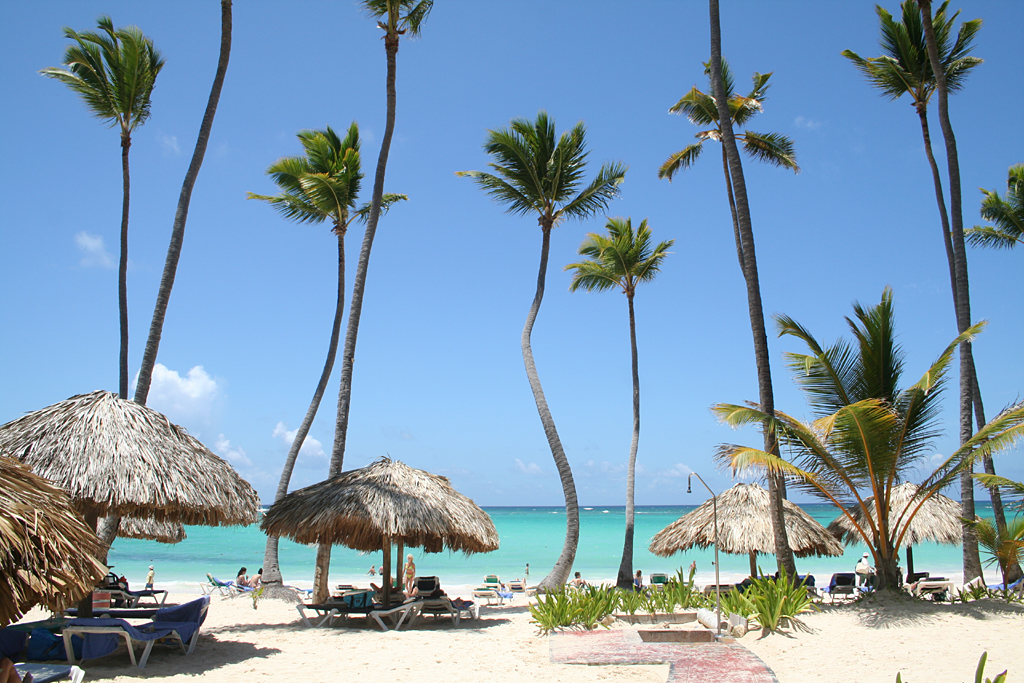
The originally undeveloped coastline covers roughly 4,200,000 square metres, roughly 1,100 acres, and includes several linked beach sectors along a protected shore. The coastline itself features coral reefs, mangrove stands in some lagoons and dunes that shelter inland ecosystems. Much of the shoreline is composed of powdery white sand and shallow, turquoise water favored by swimmers and snorkelers. Guides and maps typically divide the coastal strip into named beach areas and resort clusters to help visitors plan activities. See local descriptions of the coastline and famed white beaches for more detail.
History and development
Punta Cana was sparsely inhabited until late in the 20th century, when a group of founding investors formalized plans to develop tourism in the area and merged nearby properties, including a locale once called Punta de Borrachón, into the modern resort zone in 1969. Since then the area has grown from isolated farms and fishing communities into a purpose-built tourist region with private developments and a central town area often referred to simply as Punta Cana. The transformation reflects broader patterns of coastal development in the Caribbean driven by international demand for beach resorts.
Economy, tourism and activities
Tourism is the principal economic driver. The region hosts a range of accommodations from smaller guesthouses to large all‑inclusive resorts, golf courses, marinas and convention facilities. Popular activities include snorkeling and diving on nearby reefs, sport fishing, boat excursions, golf, and cultural tours that visit local towns and ecological preserves. Travel infrastructure concentrates visitor services near the town center and resort corridor; many travelers arrive through an international airport that serves the area directly. For information about the local settlement see the entry on the town.
Notable distinctions and conservation
Punta Cana is often cited as a model of planned resort growth in the Caribbean, combining hotel complexes with private community developments. That growth has also prompted initiatives to protect coastal habitats and water quality, and to manage tourism’s environmental footprint. Visitors are encouraged to follow local guidelines that help preserve reefs, nesting areas and lagoon systems. The balance between development and conservation remains a central theme in discussion of Punta Cana’s future.
Practical notes
- Best known for warm, year-round tropical weather and calm sea conditions for most of the year.
- Facilities and services are concentrated along the beach corridor; inland areas are less developed.
- Popular pursuits: water sports, golf, eco-tours and resort-based entertainment.
Related articles
Author
AlegsaOnline.com Punta Cana Leandro Alegsa
URL: https://en.alegsaonline.com/art/80090