
Punta Arenas: Chilean gateway to Patagonia and the Antarctic
Punta Arenas is the largest city of Chile's Magallanes y Antártica Chilena Region, a southern port on the Brunswick Peninsula near the Strait of Magellan with a distinct history, climate and culture.
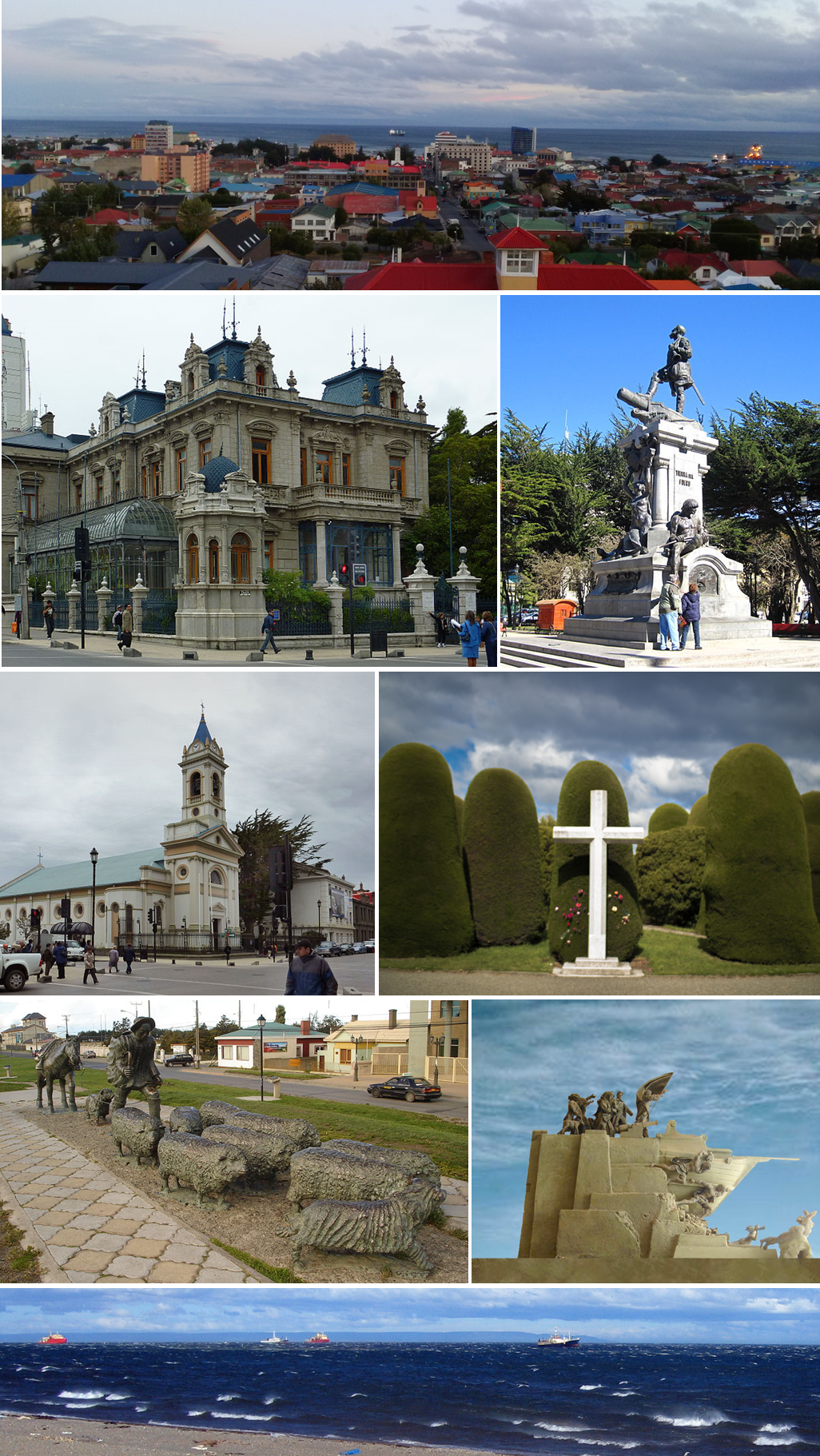
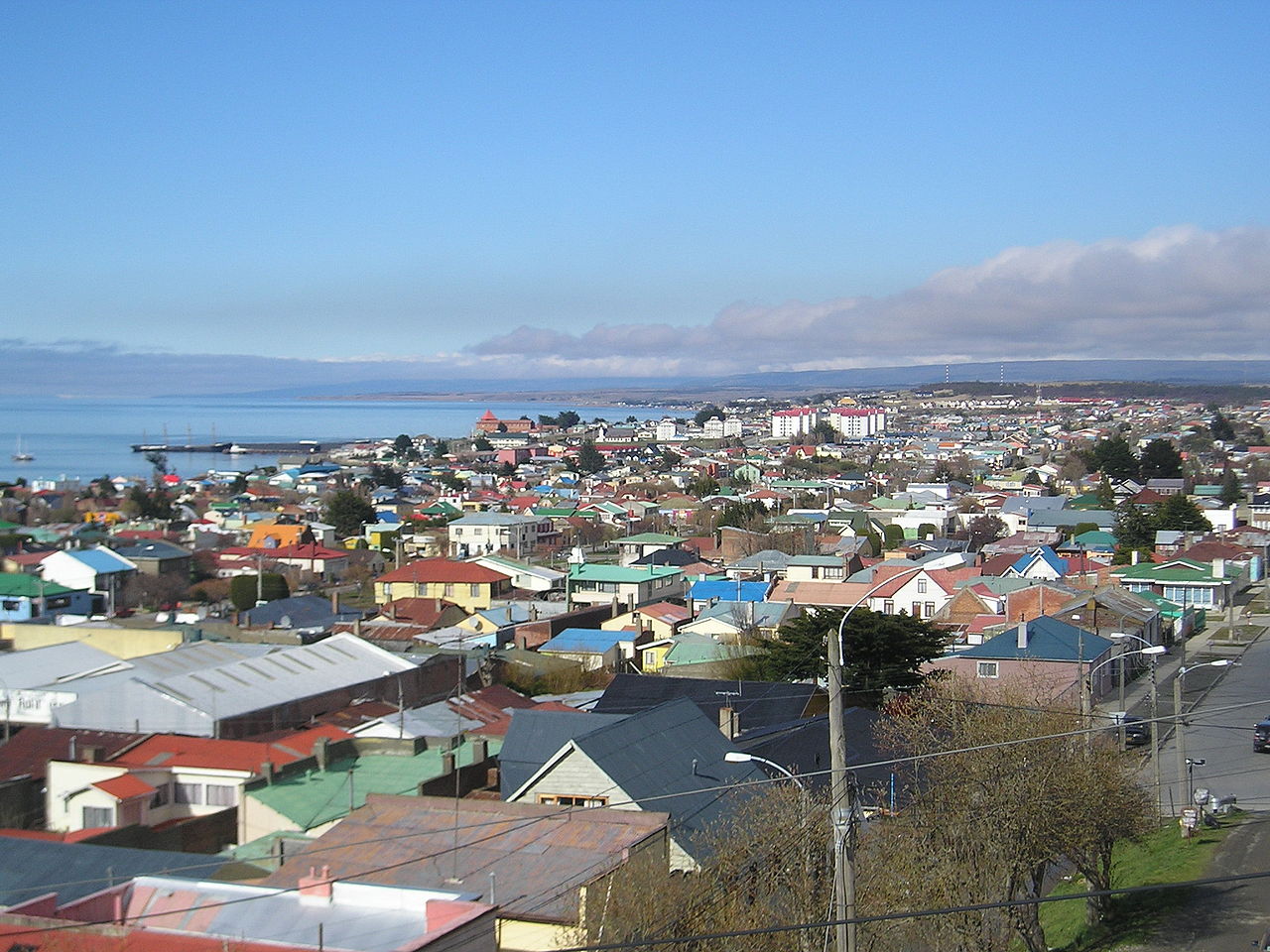
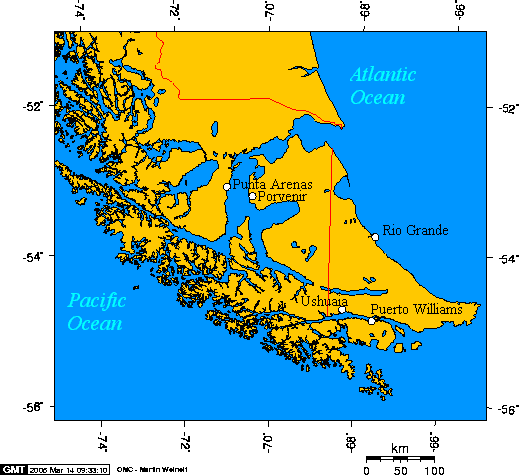
Punta Arenas (literally "Sandy Point") is the principal city and administrative capital of Chile's Magallanes y Antártica Chilena Region. Located on the Brunswick Peninsula near the northern shore of the Strait of Magellan, it serves as the largest urban center in southernmost continental Chile and a regional hub for transport, supplies and services to remote Patagonian settlements and Antarctic operations. The city proper is home to roughly 120,000–130,000 people, concentrated within the comuna (municipality) of Magallanes.
Image gallery
10 Images


Geography and climate
Punta Arenas sits near 53° S latitude on rolling coastal terrain that faces the Strait of Magellan. The location gives the city a cold, often windy climate with relatively mild seasonal swings compared with inland latitudes at the same latitude; summers are cool and winters cold but maritime-influenced. The surrounding landscape combines coastal plains, peat bogs and the mountains of southern Patagonia visible to the west and south.
Historical development
The town developed in the 19th century as maritime traffic increased through the Strait of Magellan, attracting settlers, merchants and service industries that catered to ships rounding South America before the Panama Canal existed. Economic booms in maritime trade, sheep ranching on nearby estancias and regional resource extraction promoted steady growth. Over time Punta Arenas became an administrative center, a launching point for Tierra del Fuego and Antarctic expeditions, and a magnet for immigrants, particularly from Europe.
Economy and role
Punta Arenas functions as a commercial port, logistics base and service center. Principal economic activities include port services, fishing and seafood processing, sheep and livestock agriculture in surrounding zones, energy-related operations, public administration and tourism. The city is an access point for Antarctic voyages, scientific missions and cruise lines visiting Patagonia and the nearby islands.
Culture, demographics and points of interest
The city reflects a mix of indigenous, European and immigrant influences; communities of various origins contributed to local architecture, cuisine and traditions. Visitors find museums, historic neighborhoods and coastal promenades that interpret maritime history. Local festivals and cultural institutions celebrate the region's seafaring past and Patagonian identity.
Notable facts and distinctions
- Known as a major southern Chilean urban center and a gateway to Antarctica and Tierra del Fuego.
- Strategically located on the Strait of Magellan, historically important for global shipping routes.
- Serves as an administrative and logistical hub for a large, sparsely populated region with unique environmental and economic challenges.
Punta Arenas remains important for travelers, scientists and businesses working in the high south: its ports, air links and regional institutions anchor Chilean presence in Patagonia and the Antarctic sphere.
Related articles
Author
AlegsaOnline.com Punta Arenas: Chilean gateway to Patagonia and the Antarctic Leandro Alegsa
URL: https://en.alegsaonline.com/art/80089
Sources
- puntaarenas.cl : "Asociación Chilena de Municipalidades"
- ine.cl : "National Statistics Institute"