
Puebla, Puebla: history, architecture, economy and cultural highlights
Overview of Puebla city in Mexico: location, colonial history, architecture, industry, cuisine, tourism and notable facts including its historic centre and cultural traditions.
Overview
Puebla de Zaragoza, commonly called Puebla, is a major Mexican city located in a broad valley about 60 miles southeast of Mexico City. It is the capital of the state of Puebla and has been known by nicknames such as the City of Angels, the City of Tiles and the Heroic City of Zaragoza. For official information and local services see city resources or consult travel summaries and guides like regional guides. General maps and geographical descriptions list Puebla within the larger central Mexican highland area, near volcanic landscapes and broad agricultural plains (map reference, regional outline).
Image gallery
10 Images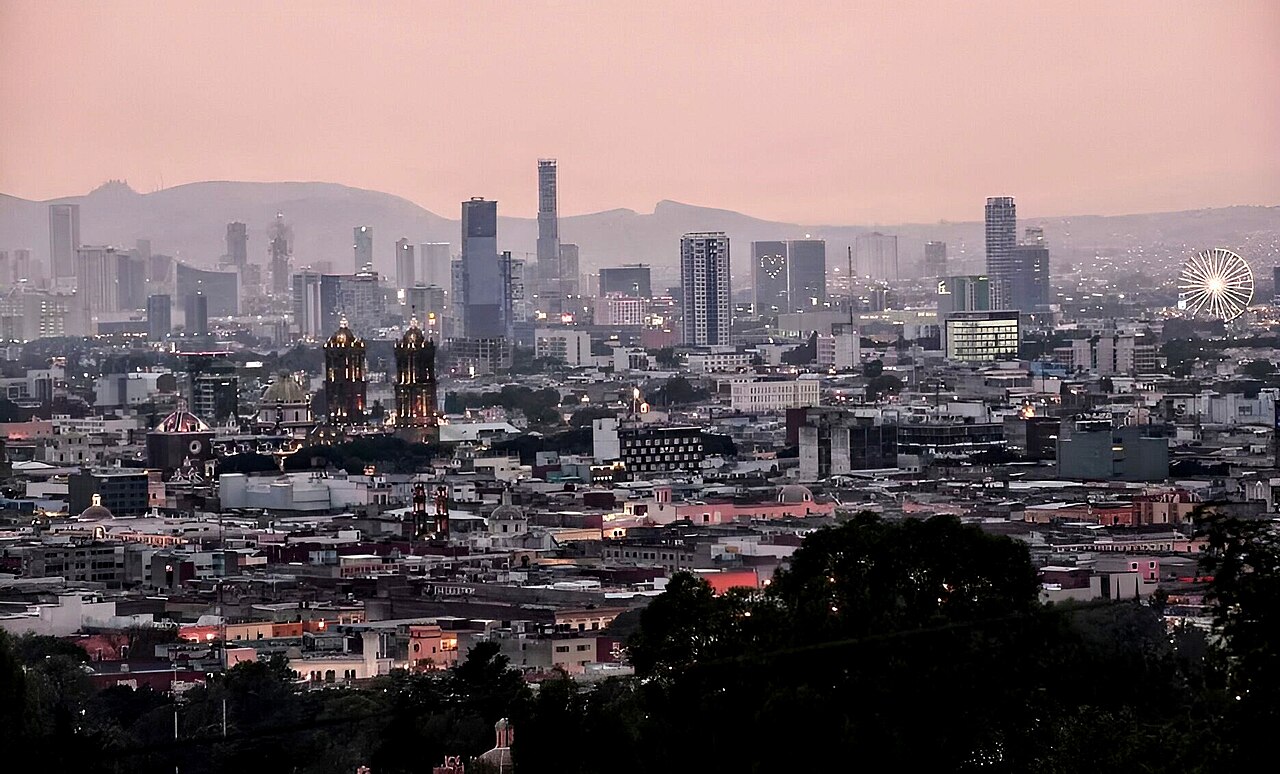


History and foundation
The city was founded in the early colonial era and became one of New Spain's principal urban centres. Unlike many other Spanish towns that developed on preexisting indigenous settlements, Puebla was largely planned and constructed by Spanish authorities as a fresh colonial foundation. Because of that origin it grew into an administrative, religious and commercial hub in colonial Mexico. For historical context see colonial records and academic summaries (colonial history, founding records). Indigenous communities in the surrounding region influenced Puebla’s development through trade and labour (local indigenous context, regional interactions).
Architecture, art and urban character
Puebla’s built environment is a distinctive mix of Baroque and Neoclassical architecture, richly decorated religious buildings and civic monuments. The city is especially noted for its use of tin-glazed Talavera tiles on facades and interiors, a tradition that gives many streets a distinctive patterned appearance. Visitors can explore ornate churches, plazas and colonial-era mansions; detailed descriptions and preservation work are discussed in heritage resources (architectural studies, artistic influences). The historic downtown remains a focus of cultural life and conservation, and many buildings date from the 17th and 18th centuries (historic centre, period architecture).
Economy and industry
Modern Puebla is an important industrial and manufacturing center in Mexico. The region hosts large automotive plants and parts suppliers as well as national and international firms in food and consumer goods. Notable industrial presences include major automobile factories and multinational food companies; industry profiles and corporate overviews are available through business reports (automotive industry, manufacturing overview). The metropolitan economy also includes services, education and a growing technology sector (economic data, employment and investment).
Cuisine, festivals and tourism
Puebla is celebrated for its culinary traditions. Dishes such as mole poblano and other regional specialities attract both national and international visitors; cuisine guides and festival listings catalog seasonal menus and events (food and dining, local specialties). The city hosts fairs, religious observances and cultural festivals throughout the year, and tourism resources highlight museums, markets, pottery workshops and guided itineraries.
Notable distinctions and visitor notes
Puebla’s historic centre is widely regarded as one of the best-preserved colonial urban ensembles in Mexico, combining notable monuments, museums and artisanal traditions. Practical visitor information such as climate considerations, transportation links and recommended itineraries is provided in travel and municipal listings (local services, visitor guides). For further reading on heritage protection and cultural programming see specialized portals (heritage resources, conservation information). Collectively, these aspects make Puebla an important cultural, historical and economic center in central Mexico.
- Further reading: colonial archives, architectural surveys
- Practical: museum listings, transport options
- Events and gastronomy: festival calendar, culinary tours
- Industry and commerce: industrial profiles, investment guides
- Heritage and conservation: historic centre details, preservation projects
- Data and statistics: economic reports, demographic notes
- Food and travel resources: culinary resources, visitor tips
Related articles
Author
AlegsaOnline.com Puebla, Puebla: history, architecture, economy and cultural highlights Leandro Alegsa
URL: https://en.alegsaonline.com/art/79942