
Volkswagen (VW) — German automaker and automotive group
Volkswagen is a major German car manufacturer founded in the 1930s. Known for the Beetle, Golf and commercial vehicles, it grew into a global group and is now shifting toward electrification after notable controversies.
Overview
Volkswagen, commonly called VW, is a German automobile manufacturer and the core brand of a large international automotive group. The name Volkswagen literally means "people's car" in German. The company is headquartered in Wolfsburg, in the state of Lower Saxony, and operates manufacturing, design and sales operations around the world. Over decades VW has been one of the largest carmakers by production and sales volume.
Image gallery
10 Images




Characteristics and notable models
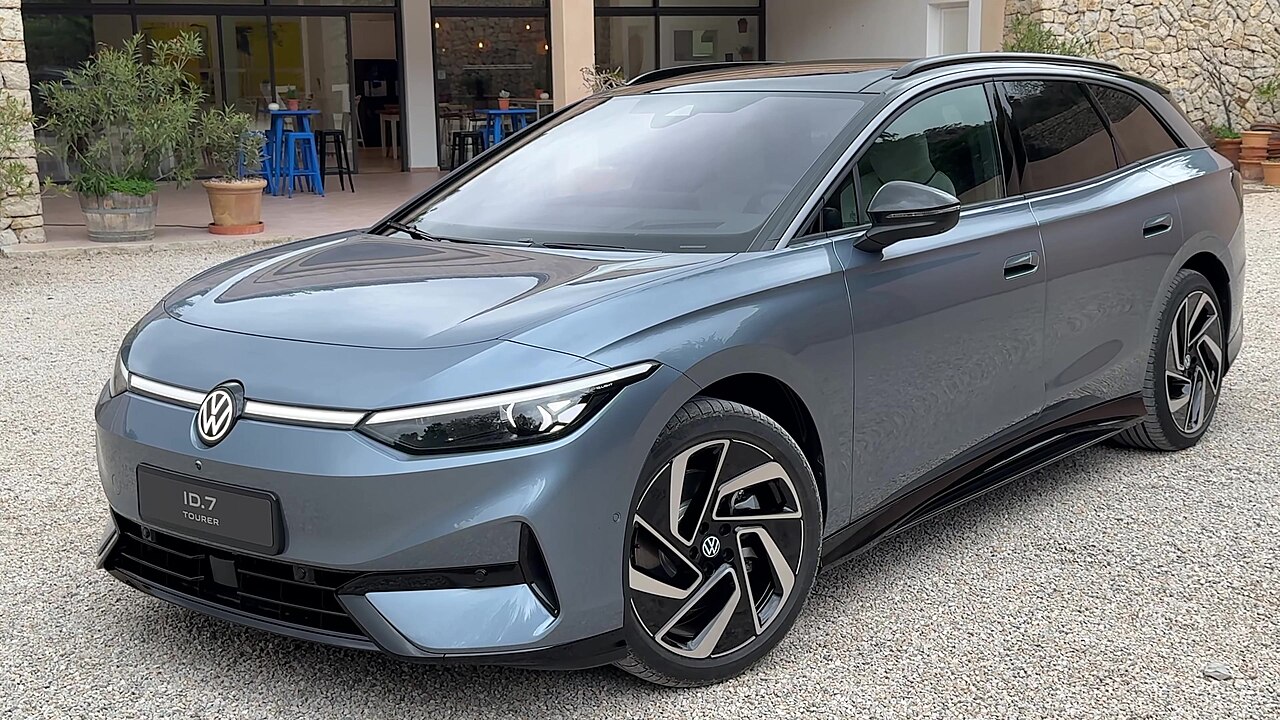
Volkswagen's model range has historically emphasized practicality, engineering simplicity and broad customer appeal. Some vehicles that shaped its reputation include the classic Beetle, the Transporter/Type 2 van, the compact Golf, and family sedans such as the Passat. In recent years VW has expanded into electric vehicles with the ID. family and diversified its lineup to cover passenger cars, small utility vehicles and crossovers.
History and development
The company traces its origins to the 1930s when the concept of an affordable car for the general population in Germany was promoted by the national government; the project that produced the original Beetle was designed by engineer Ferdinand Porsche. Volkswagen's founding and early growth occurred in the context of Germany's political and economic environment of that era, including wartime production and its aftermath. The brand rebuilt and expanded in the postwar period and established itself internationally through exports, licensing and local production.
Corporate group and brands
What many people call "Volkswagen" is also part of a broader corporate structure, the Volkswagen Group, which includes multiple marques across market segments. The group owns or partners with well-known brands and subsidiaries spanning mainstream to luxury and sports cars. Examples include:
- VW as the core passenger car brand
- Other marques within the group that extend market coverage
- Commercial vehicle operations
Controversies and recent transition
In the 2010s Volkswagen faced a major emissions scandal that led to regulatory penalties, recalls and changes in corporate strategy. The episode prompted stronger oversight of compliance and accelerated investment in electrification, software and alternative powertrains. The company has publicly committed to expanding electric vehicle offerings and modernizing its manufacturing to meet changing environmental standards and consumer preferences.
Importance and legacy
Volkswagen's influence on automotive design and mass motoring is significant. Iconic models have had cultural as well as commercial impact, and the brand played a central role in the development of affordable personal transport in Europe. Today VW balances heritage models and global recognition with the challenges of industry-wide shifts toward electrification, digital services and tighter environmental regulations. For further context on the company's foundation and history see sources on its 1930s origins (1930s), the political context involving Adolf Hitler, and modern corporate information available from regional and company records (meaning of the name, engineering origins).
Additional reading and official materials can be found through manufacturer and industry resources for up-to-date model specifications, corporate reports and historical archives. For local and regional background information, consult resources linked to the company's headquarters area (Lower Saxony, Wolfsburg) and brand histories (VW, early history).
Questions and answers
Q: What does VW stand for?
A: VW stands for Volkswagen, the name of a car company from Germany.
Q: What does the word "volkswagen" mean?
A: The word "volkswagen" means "People's car" in German.
Q: Where is Volkswagen's headquarters located?
A: Volkswagen's headquarters are located in Wolfsburg, Lower Saxony, Germany.
Q: When was Volkswagen started?
A: Volkswagen was started in the 1930s.
Q: Who requested Volkswagen's production at the time of its creation?
A: At the time of its creation, Volkswagen was requested by Adolf Hitler, the country's leader.
Q: Who designed the car that Volkswagen was requested to produce?
A: The car that Volkswagen was requested to produce was designed by Ferdinand Porsche.
Q: What type of company is Volkswagen?
A: Volkswagen is a car company.
Related articles
Author
AlegsaOnline.com Volkswagen (VW) — German automaker and automotive group Leandro Alegsa
URL: https://en.alegsaonline.com/art/105871
Sources
- bbc.com : "Volkswagen: The scandal explained"