
Pueblo County, Colorado
Pueblo County is a county in southern Colorado centered on the city of Pueblo. It blends plains and mountains, a diverse economy with historic steel and agriculture, and cultural sites along the Arkansas River.
Overview
Pueblo County is a county in the state of Colorado in the United States. It includes urban, suburban and rural areas centered on the city of Pueblo, which serves as the county seat. According to the 2010 census, the county was home to about 159,063 people; more recent estimates show modest change since then.
Image gallery
2 Images
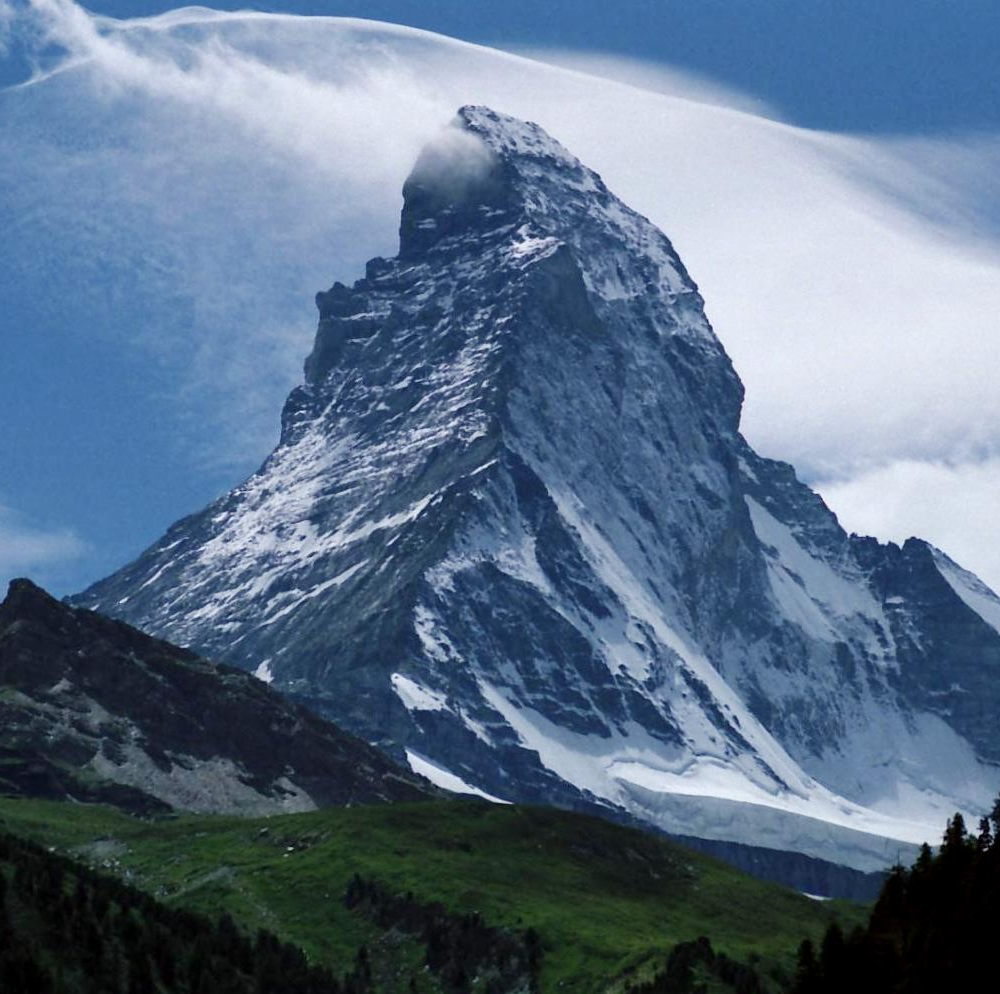
Geography and environment
The county occupies a transition zone where the eastern Great Plains meet the foothills and mountains to the west. The Arkansas River runs through the county and Lake Pueblo State Park and Pueblo Reservoir are significant water features and recreation areas. The landscape supports irrigated agriculture, rangeland and foothill woodlands.
History and development
The name "Pueblo" reflects Spanish and Indigenous roots: the word means "village" in Spanish and the area was long inhabited by Native American groups before European explorers arrived. Settlement intensified in the 19th century with westward migration, railroads and later industrial development. Pueblo became known for steelmaking and related manufacturing, which shaped the county's growth and identity.
Economy and communities
Pueblo County's economy mixes manufacturing, agriculture, energy and services. Historically dominated by steel production and heavy industry, it also supports farms that produce grains, vegetables and livestock. Tourism, outdoor recreation and regional healthcare and education are important employers today.
Culture, attractions and transportation
The city of Pueblo hosts cultural attractions such as a riverwalk, museums and annual festivals that celebrate local foodways and heritage. Popular public sites include parks, a zoo and fishing and boating facilities at the reservoir. Interstate 25 is the primary north–south highway, and freight rail and a regional airport connect the county to broader markets.
Notable facts and governance
- Local government is administered from the county seat in Pueblo and operates typical county services including courts, public works and planning.
- Demographically, Pueblo County has a sizeable Hispanic and Latino community and a mix of urban and rural neighborhoods.
- Outdoor recreation and historic sites draw regional visitors; conservation and economic diversification are ongoing priorities.
For further information about administrative boundaries, services and statistics, consult county resources and state publications; general reference and statistical profiles are available through government and regional organizations.
County records, state archives and local historical societies provide deeper details on settlement, industry and community life, while tourism offices highlight parks and events. Researchers and visitors can follow these leads to explore Pueblo County's landscape and heritage.
Additional resources: national context, state programs, and regional planning documents available through municipal and county portals offer up-to-date data and links to services.
For census figures and demographic trends, see references such as the 2010 census and successor surveys that report changes in population, housing and economic characteristics.
Related articles
Author
AlegsaOnline.com Pueblo County, Colorado Leandro Alegsa
URL: https://en.alegsaonline.com/art/79946