
Pubic hair: biology, development, grooming and cultural aspects
An overview of pubic hair: its biology and development, typical patterns, grooming methods, health considerations, and cultural practices across history and societies.
Overview
Pubic hair is the terminal hair that develops around the external sex organs during adolescence. It differs from scalp hair in texture, coarseness and often color. The emergence and characteristics of pubic hair are part of normal human development in adults and adolescents; medical and social discussions about it touch on anatomy, hygiene, and personal or cultural preferences. For general information on adult physiology see related resources.

Image gallery
9 Images





Biology and development
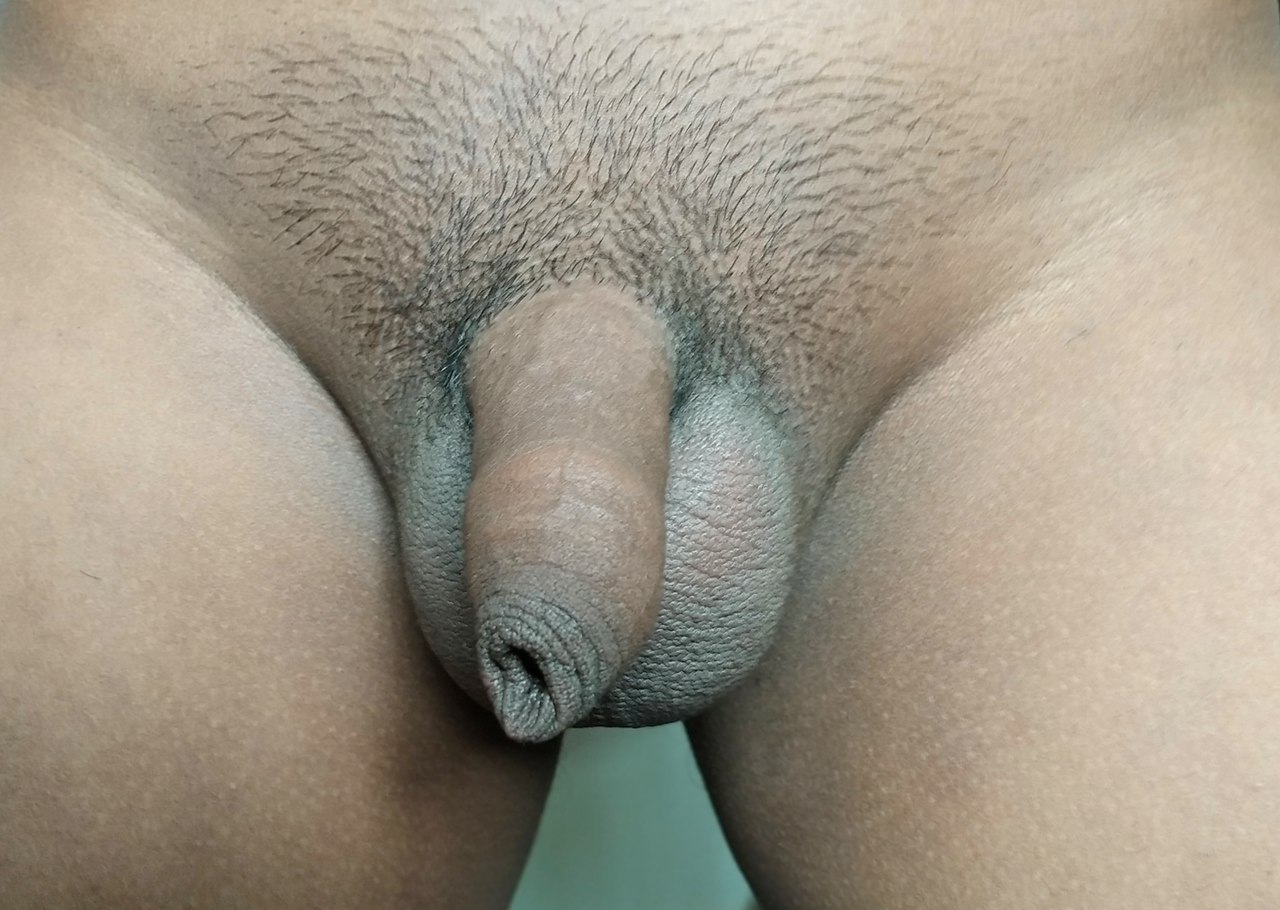
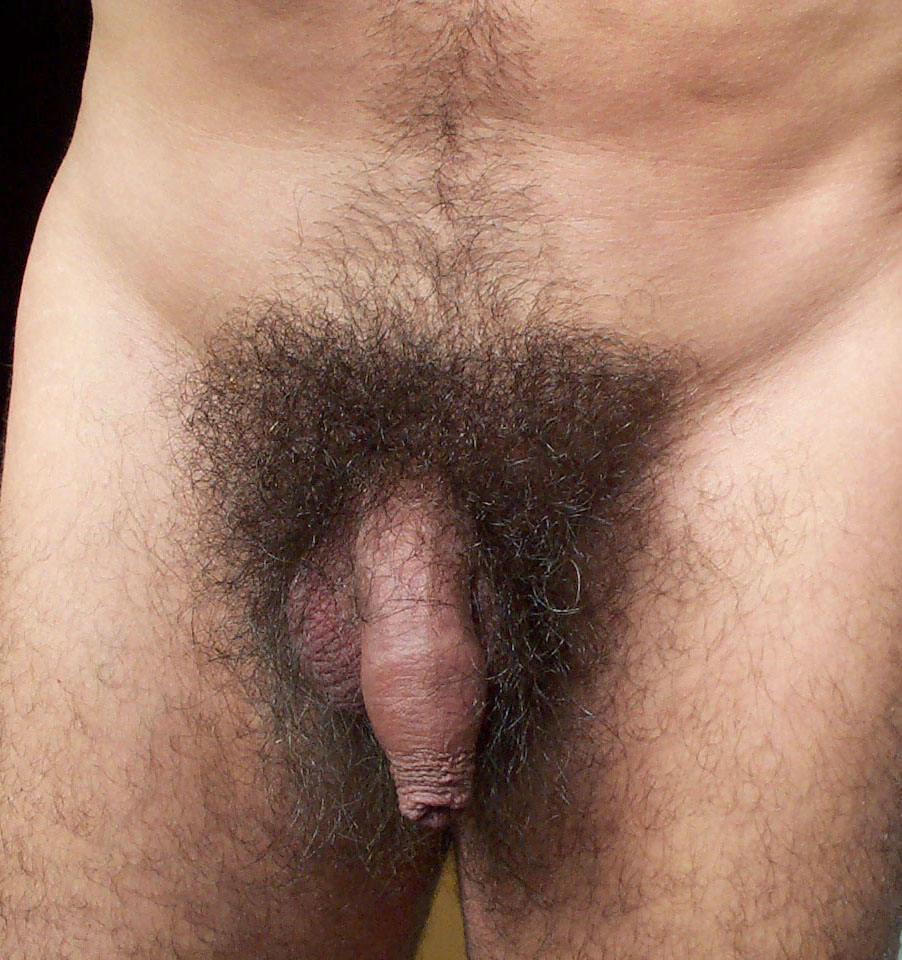
Pubic hair appears as a response to rising androgen levels during puberty and is classified as a secondary sexual characteristic. Hormonal changes stimulate hair follicles in the groin region to produce darker, curlier, and coarser hair than that found on the arms or legs. For more on the underlying hormones see androgens and on the timing of changes see puberty. The term relates to the hair that covers the area around the sex organs, often described in anatomy resources about the genital region, and is commonly referred to in clinical descriptions as part of normal adult anatomy and development (secondary sex characteristics).

Distribution and appearance
In both sexes hair typically first appears as isolated hairs and then forms a denser triangular patch (sometimes called a "triangle") above the genital area. The general pattern may extend upward toward the navel in some people and extends posteriorly toward the perineum and the area near the anus. Sources that describe typical patterns note the triangular shape and variations across individuals; see a basic schematic at pattern notes. Growth dynamics and follicle behavior are described in clinical discussions of hair growth (growth physiology).

Anatomical differences between sexes
Distribution differs by sex: in females pubic hair commonly covers the mons pubis and the outer labia, while in males it surrounds the base of the penis and can extend to the scrotum. Plain anatomical references describe hair around the anus and perineum as part of the overall distribution (perineal area). For female external anatomy see references to the labia (labia); for male external anatomy see references to the penis base (penile base), the scrotum (scrotum) and the testicles (testicles).

Grooming, fashions and cultural practices
Grooming choices range from natural to various forms of trimming and removal. Styles have names in popular usage: partial removal to fit swimwear, trimmed shapes, a narrow vertical band called a "landing strip" or complete removal that is sometimes called a Brazilian. The phrase "landing strip" alludes to the runway image; cultural notes and style guides may reference the analogy (landing strip reference). Throughout history and across cultures, attitudes toward pubic hair have varied: some traditions encourage removal for hygiene or religious reasons, others see natural hair as normative or aesthetic.

Common grooming methods
- Trimming with scissors or electric trimmers: reduces bulk while leaving hair present.
- Shaving: quick but can cause ingrown hairs or skin irritation.
- Waxing (including partial or full styles): removes hair from the root, lasting longer but may be painful and can lead to temporary redness.
- Chemical depilatories: dissolve hair at the skin surface; skin sensitivity varies.
- Laser hair removal and electrolysis: longer-term reduction or permanent removal options performed by trained providers.

Health, hygiene and safety considerations
From a medical standpoint pubic hair itself has functional roles: it can reduce friction, provide a barrier to chafing, and may play a minor role in trapping particles and limiting direct skin contact. Grooming can carry risks if done improperly—cuts, burns from chemicals, folliculitis (inflamed hair follicles), and the possibility of transmitted infections from shared tools. General precautions include using clean instruments, following product directions, performing patch tests for depilatories, avoiding aggressive procedures on irritated skin, and seeking medical advice for persistent problems.

Social and practical notes
Personal preference drives most decisions about pubic hair. Some choose trimming for comfort or aesthetics, others remove it for cultural, professional, or intimate reasons, and many keep it natural. Public discourse about pubic hair often overlaps with privacy, body autonomy, and varying beauty standards. Clinicians and educators generally recommend that individuals make informed choices based on safe practices and personal comfort rather than pressure. For practical grooming guidance and safety information consult reputable health resources or a qualified professional.

Further reading
For anatomy, development and care, readers can consult clinical guides, dermatology texts and sex education resources. Medical and educational materials addressing puberty, hair growth, and skin care provide more detailed procedural and safety information than this summary.
Learn more about adult physiology Genital anatomy overview Androgens and hair Puberty timeline Secondary sexual characteristics Typical growth patterns Hair growth mechanics Perineal anatomy External female anatomy Penile anatomy Scrotal anatomy Testicular anatomy Landing strip referenceRelated articles
Author
AlegsaOnline.com Pubic hair: biology, development, grooming and cultural aspects Leandro Alegsa
URL: https://en.alegsaonline.com/art/79890