
Pygmy peoples: short-stature indigenous hunter-gatherer groups
Collective term for several indigenous ethnic groups characterized by an unusually short average adult stature, found mainly in Central Africa and in isolated populations across Asia, Oceania and the Americas.
Overview
"Pygmy" is a descriptive label used by anthropologists and historians for a set of ethnically diverse peoples whose adult average stature, especially that of men, is unusually short compared with surrounding populations. A commonly used biological benchmark is an average adult male height under about 150 centimetres. The label groups together communities that are culturally, linguistically and genetically distinct; many scholars and activists prefer the specific names of communities rather than a single blanket term.
Image gallery
8 Images

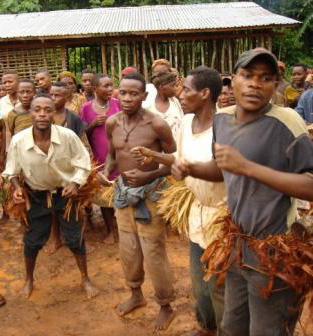

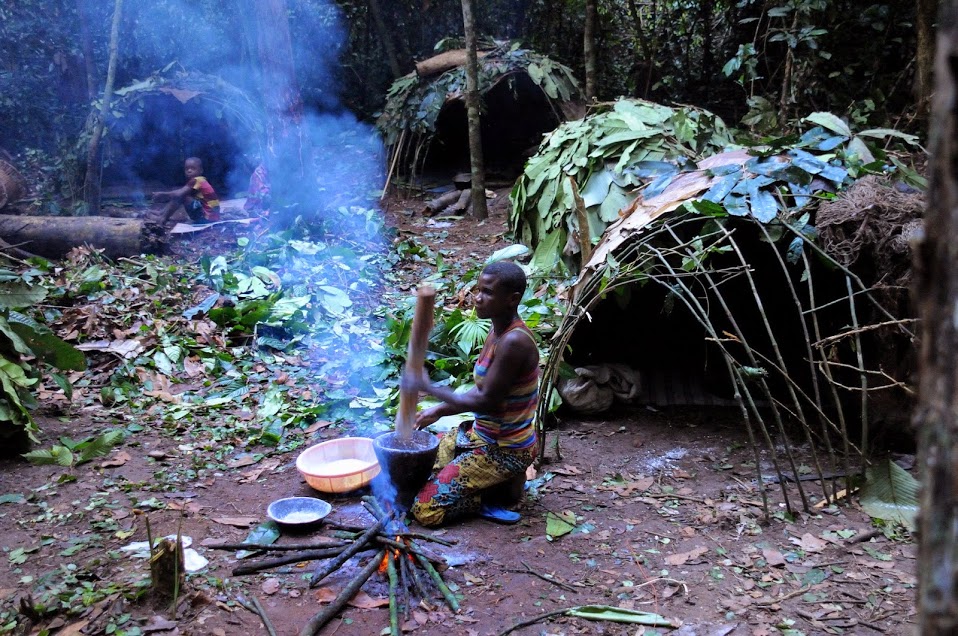


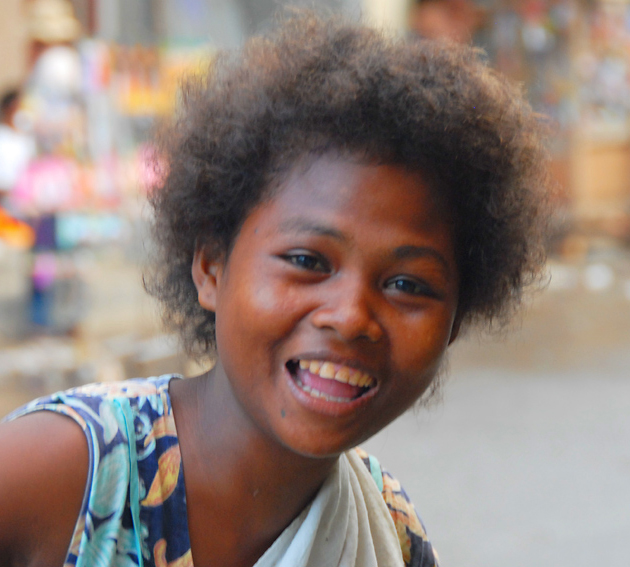
Characteristics and livelihoods
Most communities grouped under this term have a long history of hunting, gathering and forest-based livelihoods. Their knowledge of tropical forest ecology, tracking, small-game hunting and plant use is specialized and locally adapted. Social organization tends to be egalitarian in many of these hunter-gatherer societies, with flexible band composition, sharing of resources and strong kin networks. Sedentarization, agricultural encroachment and logging have altered traditional livelihoods in recent decades.
Geographic distribution and examples
Well-known Central African groups include the Aka, Efé and Mbuti in the Congo Basin and various Twa or Batwa peoples near the African Great Lakes. Related short-statured hunter-gatherer populations are also recognized in parts of Southeast Asia — commonly called Negritos — and in smaller, more isolated communities reported in parts of Oceania and the Amazon. These populations are not a single people but a series of distinct groups that have adapted independently to particular environments.
Origins and biological aspects
Scientific studies indicate that short stature has arisen multiple times in human history, sometimes as an adaptation to dense tropical forest environments where smaller body size can be advantageous for thermoregulation, mobility and caloric needs. Genetic research shows complex histories of migration, admixture and local adaptation, so the biological roots of short stature vary between groups. Cultural and environmental factors, including diet and disease burden, also influence adult height.
Contemporary issues and rights
Many of these communities face marginalization, loss of traditional lands, restricted access to forest resources and discrimination. National policies, commercial logging, conservation projects and armed conflict have at times displaced groups or disrupted livelihoods. Advocates stress the importance of recognizing land rights, ensuring access to services without forced assimilation, and supporting community-led programs that balance cultural survival with modern legal protections.
Terminology and distinctions
The term "pygmy" can be considered pejorative by some; consequently, careful writers and researchers use specific ethnonyms (for example, Aka, Mbuti, Batwa, Aeta) or descriptive phrases such as "forest-dwelling hunter-gatherers". Separate labels such as "Negrito" are used for distinct Southeast Asian populations but refer to similar phenotypic traits rather than shared ancestry. Accurate description requires attention to self-identification, local names and the clear recognition that these groups are culturally diverse.
Further reading
- Overview of hunter-gatherer peoples
- Anthropological definitions of stature
- Studies on adult male height thresholds
- Measurements and standards in human biology
- Aka, Efé and Mbuti community profiles
- Short-stature populations in Oceania
- Negrito groups of Southeast Asia
- Ethnography of Malaysian forest peoples
- Indigenous groups in Indonesia
- Philippine Aeta and related peoples
- Papua New Guinea hunter-gatherers
- Short-statured groups reported in South America
- Negritos and their diverse origins
- Debates over pejorative terminology
- Local names such as Bayaka and Batwa
- Regional words and exonyms in the Congo Basin
Questions and answers
Q: What are pygmies?
A: Pygmies are several ethnic groups with unusually short people.
Q: How do anthropologists describe pygmies?
A: According to anthropologists, pygmies can be any group where adult men are less than 150 centimetres (4.9 ft) tall on average.
Q: Which are the best known pygmies?
A: The best known pygmies are the Aka, Efé and Mbuti of central Africa.
Q: In which other countries can pygmies be found?
A: Pygmies can also be found in Australia, Thailand, Malaysia, Indonesia, the Philippines, Papua New Guinea, and Brazil.
Q: Are Negritos of Southeast Asia called pygmies?
A: Yes, the Negritos of Southeast Asia are also called pygmies.
Q: Is the word "pygmy" an insult?
A: The word "pygmy" is sometimes thought to be pejorative (an insult).
Q: What word is used in the Central African Republic to refer to all local Pygmies?
A: The word Bayaka is sometimes used in the Central African Republic to refer to all local Pygmies.
Related articles
Author
AlegsaOnline.com Pygmy peoples: short-stature indigenous hunter-gatherer groups Leandro Alegsa
URL: https://en.alegsaonline.com/art/80219
Sources
- britannica.com : Pygmy
- andaman.org : Lonely islands: the Andamanese
- ui.adsabs.harvard.edu : 2785378
- economist.com : "Darwin's Children"
- fao.org : "Forest peoples in the central African rain forest: focus on the pygmies"
- etymonline.com : "Pygmy"
- doi.org : 10.1002/ajpa.21512
- doi.org : 10.1016/j.ymgme.2009.05.009
- pubmed.ncbi.nlm.nih.gov : 19541519
- guardian.co.uk : "World Bank accused of razing Congo forests"