
Quapaw (Ugahxpa): history, language, and modern community
The Quapaw (Ugahxpa) are a Siouan-speaking tribe historically centered along the lower Mississippi; today they are a federally recognized nation headquartered in Oklahoma with cultural preservation efforts.
Overview
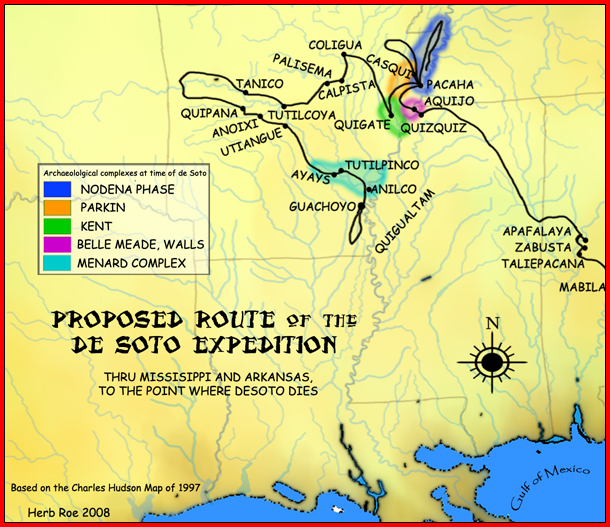
The Quapaw are a Native American tribe historically associated with the lower Mississippi Valley. Europeans first recorded contact in the 17th century. They lived on the west bank of the Mississippi River in what later became the U.S. state of Arkansas. The state's name preserves a form of the Quapaw name as it was heard and transmitted among neighboring peoples and early European explorers. In their own language the people often refer to themselves by a term translated as "downriver people," commonly rendered Ugahxpa or similar forms.
Image gallery
5 Images


Language and relations
The Quapaw speak a language of the Siouan family; linguists place it in the Dhegiha branch of that group. This connects them to related peoples such as the Osage, Omaha, Ponca and Kansa. Other indigenous groups in the region, including Algonquian-speaking neighbors like the Illini, used names that influenced early European spellings of the Quapaw name. The linguistic connections help explain shared cultural traits and historical alliances among these nations.
History and displacement
Before sustained European contact the Quapaw maintained villages, cultivated crops such as maize, and fished and hunted along river floodplains. Contact with French explorers and traders in the colonial era led to alliances, trade relationships and a sequence of treaties. Increasing pressure from European-American settlement and federal Indian policy resulted in the tribe's forced removal in the 19th century. By the 1830s many Quapaw were relocated to Indian Territory, in present-day Oklahoma, where their federally recognized community remains based today.
Culture, economy, and contemporary life
Traditional Quapaw lifeways combined agriculture, riverine resources and seasonal movements; social life centered on village communities and kinship networks. In modern times the federally recognized entity, the Quapaw Tribe, administers government services, cultural programs and economic enterprises for its members. The tribe has worked on language preservation, cultural revitalization, and stewardship of historic sites in Arkansas and Oklahoma. Enrollment numbers are modest; there are approximately 3,240 enrolled members who participate in tribal civic life and cultural events.
Notable facts and distinctions
- The common English name "Quapaw" and the state name "Arkansas" both reflect early non‑Quapaw renderings of the people's name as heard by neighboring groups and European visitors — for example, the Illini recorded a form sometimes written as "Arkansea".
- The Quapaw language belongs to the Siouan family and is culturally connected to other Dhegiha-speaking peoples; interactions with Algonquian-speaking neighbors influenced regional names and diplomacy.
- The tribe's historical homeland, often described as a specific territory along the Mississippi's western reaches, remains important in heritage work and archaeological study.
Today the Quapaw community balances preservation of traditions with participation in regional economies and governance. Their story illustrates broader themes in North American history: deep Indigenous residence on riverine lands, colonial contact and trade, treaty relations, and the long-term impacts of 19th‑century removal policies. For further introductory material see general overviews of the tribe and regional histories at linked resources and tribal publications (Native American studies collections and local archives).
Additional context and resources are available through tribal offices and cultural centers; readers may consult specialized works on Dhegiha languages, French colonial records, and archaeological reports to learn more.
Related articles
Author
AlegsaOnline.com Quapaw (Ugahxpa): history, language, and modern community Leandro Alegsa
URL: https://en.alegsaonline.com/art/80394
Sources
- ok.gov : 2011 Oklahoma Indian Nations Pocket Pictorial Directory